The mirror may tell one story, but your camera can reveal another. Here’s why your under-eye area can suddenly appear more tired, shadowed, or aged—and what you can do about it.
Have you ever looked in the mirror before leaving the house, felt perfectly happy with your appearance, then been surprised by a photo taken later that day? For many women, the biggest shock comes from the under-eye area. Fine lines seem deeper, shadows appear darker, and the eyes somehow look more tired than they did just moments before.
It’s easy to assume that your skin has suddenly changed overnight, but photographs often exaggerate features that aren’t as noticeable in real life. Lighting, facial expressions, hydration, and even small lifestyle changes can all influence how the delicate skin around your eyes appears on camera.
Understanding why this happens can help you focus on the factors you can control rather than blaming every unflattering photo on aging alone.
Why Photos Can Make Under-Eyes Look Older
Camera Lighting Changes Everything
One of the biggest reasons your under-eyes appear older in photos is lighting. Overhead lights create shadows beneath the eyes, while bright sunlight from certain angles can emphasize fine lines and skin texture.
Unlike your eyes, a camera cannot automatically adjust to changing light in the same way. It simply records contrast, which often makes natural under-eye contours look more pronounced.
The eye area has naturally thin skin.
The skin beneath the eyes is among the thinnest anywhere on the body. Because it’s so delicate, it tends to reveal changes more quickly than other areas of the face.
Even temporary factors like lack of sleep, dehydration, or seasonal dryness can make this skin appear less smooth, especially when photographed up close or in high resolution.

Facial Expressions Matter More Than You Think
Many photos capture us mid-conversation or while laughing. Smiling is wonderful, but it naturally causes the muscles around the eyes to contract.
These normal movements can briefly highlight expression lines that may not be visible when your face is relaxed. A still photograph freezes that single moment, making it seem more noticeable than it really is.

Dehydrated Skin Reflects Light Differently
When skin lacks moisture, it often looks duller and less supple. This changes the way light reflects across the under-eye area.
Instead of appearing smooth, dry skin may emphasize texture, creating the illusion of deeper lines or increased shadowing in photographs.
Sleep Quality Shows Up Around Your Eyes
Missing one night’s sleep won’t suddenly age your skin, but poor sleep over time may contribute to a tired appearance.
When you’re fatigued, under-eye puffiness and darker-looking shadows can become more noticeable, particularly under artificial lighting or camera flash.
Everyday stress can affect your appearance.
Stress influences more than your mood. It can also affect your daily habits, including sleep quality, hydration, and skincare consistency.
Over time, these small lifestyle factors may combine to make the eye area appear less refreshed, especially in candid photos where you’re not consciously posing.
Small Habits That Can Help Your Under-Eyes Look Fresher
While no skincare routine can completely change how every photograph turns out, several simple habits may improve the overall appearance of the under-eye area over time.
Start by keeping your skin well hydrated, both internally and externally. Drinking enough water and using a moisturizer suited to the delicate eye area can help the skin appear smoother.
Consistent sleep is another important factor. A regular bedtime routine may help reduce the tired appearance that often shows up around the eyes after restless nights.
Protecting your skin from daily sun exposure is equally valuable. Ultraviolet light contributes to visible skin aging over time, making sunscreen and sunglasses worthwhile everyday habits.
Finally, gentle skincare matters. The skin beneath the eyes doesn’t respond well to aggressive rubbing or harsh products. Treating this area carefully can help maintain its appearance over the long term.
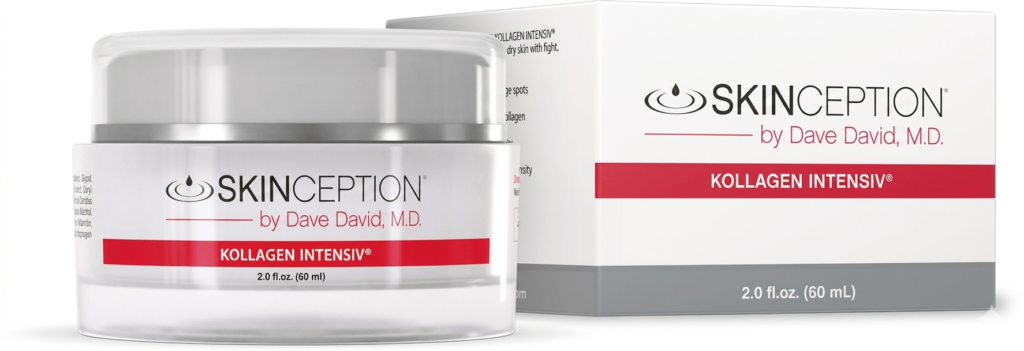
For readers looking to expand their skincare routine, products like Kollagen Intensiv are often explored as part of an overall approach to supporting the appearance of smoother, more youthful-looking skin. Rather than expecting instant transformation, it’s generally best to view topical skincare as one piece of a consistent routine that includes hydration, sun protection, healthy lifestyle habits, and patience. Learning how a product fits into your broader skincare goals allows you to make a more informed decision.

Final Thoughts
If your under-eyes suddenly seem older in photos, it doesn’t necessarily mean your skin has dramatically changed. Cameras often exaggerate natural shadows, texture, and expression lines that are far less noticeable in everyday life.
By understanding the role of lighting, hydration, sleep, facial expressions, and gentle skincare, you can focus on habits that support healthier-looking skin instead of worrying about every unflattering snapshot.
If you’re interested in exploring skincare products that are designed to support the appearance of aging skin around the eyes, learning more about Kollagen Intensiv could be a worthwhile next step. Understanding your options allows you to choose products that complement a consistent, realistic skincare routine rather than relying on quick fixes.
⭐⭐⭐⭐⭐Kollagen Intensiv™ 74 reviews