A camera can reveal details you barely notice in the mirror. Understanding why this happens is often the first step toward creating a fresher, more rested appearance.
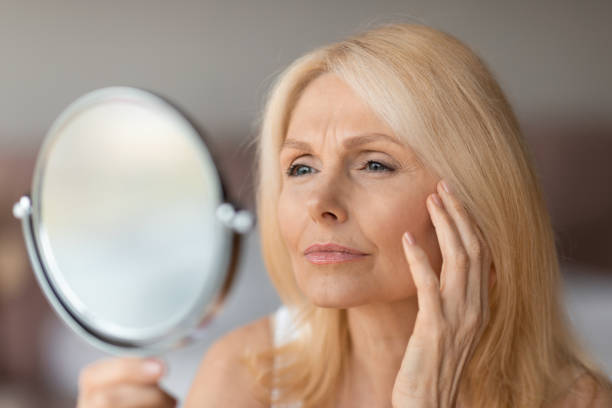
Have you ever looked in the mirror before leaving the house, felt happy with how you looked, then later seen a photo that made your under-eye area appear older, darker, or more tired than expected? You’re certainly not alone.
Photographs often highlight subtle changes around the eyes that everyday lighting can hide. Fine lines may seem more noticeable, shadows can appear deeper, and slight puffiness may suddenly become the first thing you notice. While it can be frustrating, it doesn’t necessarily mean your skin has changed overnight.
In many cases, it’s a combination of lighting, facial expressions, hydration, and natural skin changes that create this effect. By understanding why your under-eyes sometimes look dramatically different in photos, you’ll be better equipped to make small adjustments that can help you feel more confident both in person and on camera.
Why Photos Can Be Less Forgiving Than Mirrors
Your bathroom mirror usually reflects soft, familiar lighting and a face that is constantly moving. A photograph captures just one frozen moment, often under lighting conditions that exaggerate every shadow and contour.
High-resolution smartphone cameras also reveal tiny skin details that older cameras never captured. This extra sharpness can make fine lines and skin texture appear more prominent than they do in real life.
That’s why many people feel they look older in photos despite appearing perfectly normal in the mirror.

1. Overhead Lighting Creates Stronger Shadows
Lighting is one of the biggest reasons the under-eye area can suddenly look older.
When light comes from directly above—common in offices, restaurants, shopping centers, or outdoor midday sun—it casts shadows beneath the eyes. These shadows can make natural hollows appear deeper and create the illusion of darker circles.
Even healthy skin can look tired under harsh lighting.
2. Dehydrated Skin Reflects Less Light
Skin around the eyes is naturally thinner than much of the rest of the face.
When it becomes dehydrated, it may appear less smooth and lose some of its natural ability to reflect light evenly. As a result, fine lines may seem more defined in photographs, particularly when a camera flash or bright sunlight is involved.
Consistently supporting your skin with hydration—both internally and through appropriate skincare—can help improve its overall appearance.
3. Facial Expressions Freeze Into One Moment
Most of us blink, smile, squint, and talk naturally throughout the day.
A camera freezes a split second, sometimes catching an expression that briefly compresses the delicate skin around the eyes.
Even a genuine smile can temporarily create fine lines that appear much stronger in a still image than they do during conversation.
This doesn’t necessarily reflect how you look most of the time.
4. Natural Volume Changes Become More Noticeable
As skin matures, natural structural changes gradually occur beneath the surface.
The area beneath the eyes may lose some of its youthful fullness, making hollows or contours appear slightly more visible. Certain camera angles and side lighting can exaggerate these features, especially when photographed from above.
These changes are a normal part of aging and happen at different rates for everyone.
5. Lack of Sleep Isn’t the Only Factor
Many people immediately blame poor sleep when they notice tired-looking eyes in photos.
While rest certainly matters, other everyday factors can also contribute, including the following:
- Allergies that cause temporary puffiness
- Seasonal dryness
- Stress
- Screen fatigue
- Diet and hydration habits
- Environmental exposure
Often it’s several small influences working together rather than one single cause.
6. Modern Smartphone Cameras Capture Incredible Detail
Today’s phone cameras are remarkably advanced.
Image processing software increases contrast, sharpness, and clarity automatically. While this creates beautiful landscapes and detailed portraits, it can also enhance tiny skin textures and natural shadows that our eyes rarely focus on in real life.
This means your camera isn’t always showing the most flattering or balanced representation of your appearance.
Supporting the Appearance of the Under-Eye Area
While no skincare product can stop the natural aging process, consistent habits can help the under-eye area appear healthier and more refreshed over time.
Simple lifestyle practices—such as getting enough sleep, staying hydrated, protecting your skin from excessive sun exposure, and following a gentle skincare routine—can all contribute to improving the overall appearance of the skin.
For those who are specifically concerned about the visible signs of aging around the eyes, it may also be worth exploring skincare products formulated for this delicate area.
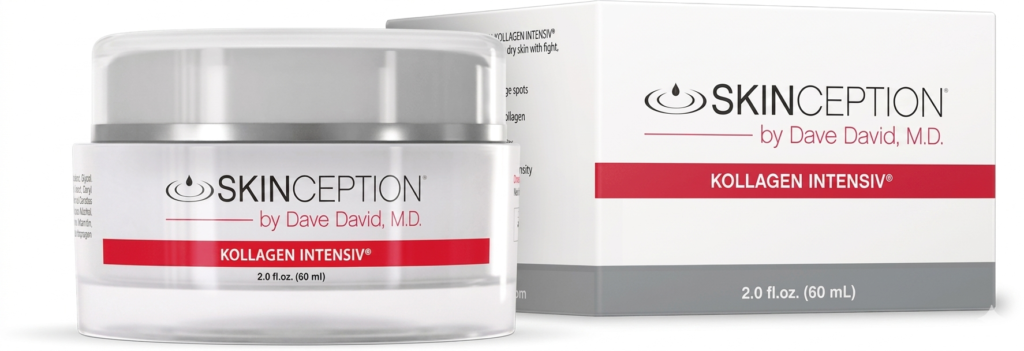
Kollagen Intensiv is one option that many people choose to learn more about when looking for products designed to support smoother-looking, healthier-looking skin around the eyes. Rather than expecting instant transformations, it’s generally more realistic to think of skincare as part of a consistent long-term routine. Taking the time to understand how a product fits into your overall skincare approach can help you make a more informed decision based on your own goals and preferences.

The Bottom Line
If your under-eyes suddenly seem older in photos, don’t assume your appearance has changed overnight. Cameras often amplify lighting, shadows, facial expressions, and natural skin texture in ways that don’t reflect how you look during everyday interactions.
Understanding these factors can help you view photographs more realistically while focusing on habits that support healthy-looking skin over time. Small improvements in skincare, hydration, sleep, and daily routines can all contribute to a fresher-looking eye area.
If you’re interested in exploring additional ways to support the appearance of your skin, learning more about Kollagen Intensiv may be a worthwhile next step. Understanding how it fits into a consistent skincare routine can help you decide whether it’s an option you’d like to explore further.
⭐⭐⭐⭐⭐Kollagen Intensiv™ 74 reviews