Why the area beneath your eyes can suddenly look darker, more tired, or more noticeable—even when your skincare routine hasn’t changed.

You can wake up after what seemed like a perfectly normal night, look in the mirror, and wonder why the shadows beneath your eyes suddenly seem more obvious.
Sometimes they appear deeper. Other times the entire eye area looks duller, more hollow, or simply more tired than you feel.
The frustrating part is that under-eye shadows rarely have just one explanation.
The skin around the eyes is naturally delicate, which means subtle changes in hydration, lifestyle, facial structure, and the way light falls across the face can all influence how dark the area appears.
Understanding these everyday factors can help you look beyond the obvious explanations and make more thoughtful choices about how you care for this highly visible area.
1. Dehydration Can Make the Eye Area Look Less Plump
When skin lacks moisture, it may appear less smooth and supple.
Around the eyes, where the skin is already relatively delicate, this can make fine texture and natural contours look more noticeable. Instead of reflecting light evenly, dehydrated-looking skin may create tiny areas of contrast that visually emphasise shadows.
This doesn’t mean drinking one extra glass of water will instantly transform your under-eyes. Skin hydration is influenced by multiple factors, including your environment and skincare routine.
Using gentle moisturising products and avoiding habits that leave the area feeling dry can help support a smoother-looking surface.
2. Poor-Quality Sleep Can Affect More Than Tiredness
It’s easy to blame every under-eye concern on simply “not getting enough sleep”, but sleep quality can matter too.
A restless night may leave your overall complexion looking less refreshed the following morning. When the face appears dull or fatigued, existing darkness and shadows beneath the eyes can stand out more strongly by comparison.
Late nights can also affect daily habits. You may drink less water, rely more heavily on caffeine, skip parts of your skincare routine, or rub tired eyes more frequently.
Rather than viewing sleep as a miracle cure for dark circles, think of consistent rest as one part of maintaining a fresher overall appearance.
3. Rubbing Your Eyes Can Make the Area Look More Stressed
Many people touch or rub their eyes without even noticing.
It can happen when removing makeup, dealing with tired eyes, waking up in the morning, or spending long periods looking at screens.
Because the under-eye area is delicate, aggressive rubbing and tugging can temporarily leave it looking irritated or more noticeable.
Your cleansing technique matters as well.
Waterproof mascara and long-wear eye makeup sometimes encourage people to scrub harder than necessary. Instead, allowing an appropriate makeup remover time to dissolve stubborn products can reduce unnecessary friction.
A gentler approach is especially worthwhile when you’re trying to maintain the appearance of smoother, more comfortable-looking skin around the eyes.

4. Natural Facial Contours Can Create Deeper-Looking Shadows
Not everything that looks like a dark circle is actually darker pigmentation.
Sometimes what you’re seeing is partly a shadow created by facial structure.
The natural transition between the lower eyelid and upper cheek can create areas where light falls differently. Depending on your bone structure, lighting, camera angle, and changes in facial volume over time, these shadows may become more noticeable.
This explains why under-eye darkness can appear dramatically different from one room to another.
Harsh overhead lighting may deepen natural contours, while softer front-facing light can make the same eye area appear brighter.
Recognising this distinction is important because a shadow caused largely by facial contours may not respond to skincare in the same way as surface dryness or uneven-looking skin tone.

5. Sun Exposure Can Increase Visible Contrast
The eye area is easy to overlook when thinking about daily sun protection.
Over time, repeated sun exposure can influence the visible appearance of the skin, including uneven-looking tone and other signs commonly associated with skin ageing.
If the surrounding complexion becomes less even, under-eye darkness may appear more pronounced.
Sunglasses can be useful because they provide physical coverage while also reducing the tendency to squint in bright conditions. A suitable broad-spectrum sunscreen used according to its directions can also be part of a broader sun-care routine.
Consistent protection is generally more useful than waiting until visible changes become noticeable.

6. Makeup Choices Can Accidentally Emphasise Shadows
Concealer is supposed to make the under-eye area look brighter—but certain makeup techniques can have the opposite effect.
Applying a heavy layer of product to dry or textured-looking skin may cause makeup to settle unevenly, making fine lines and shadows appear more obvious.
An overly pale concealer can also create noticeable contrast between the under-eye area and the rest of the face.
Preparation can make a difference.
Keeping the area comfortably moisturised and applying thin layers of makeup often creates a more natural-looking finish than trying to cover everything with one thick layer.
The goal doesn’t always need to be complete coverage. Sometimes softening contrast produces a fresher result.

7. Age-Related Skin Changes Can Alter How Light Hits the Under-Eye Area
The appearance of skin naturally changes over time.
As the years pass, the eye area may look less firm, less plump, or more textured than it once did. These visible changes can affect the way light reflects from the skin and make existing contours beneath the eyes appear more defined.
This is one reason someone may notice stronger-looking under-eye shadows even though their sleeping habits haven’t changed.
Rather than focusing only on “erasing dark circles”, it can be more helpful to think about the overall appearance of the surrounding skin—its hydration, smoothness, texture, and how well it is protected from environmental stressors.
What Can You Do About More Noticeable Under-Eye Shadows?
Because under-eye shadows can be influenced by several factors, there isn’t one universal skincare solution.
A sensible routine starts with the basics: treat the area gently, avoid unnecessary rubbing, remove makeup carefully, maintain comfortable hydration, and protect exposed skin from the sun.
For women who are also noticing visible signs of skin ageing—such as fine lines, dryness, or a less smooth-looking texture—it may also be worth exploring skincare products designed with mature-looking skin concerns in mind.
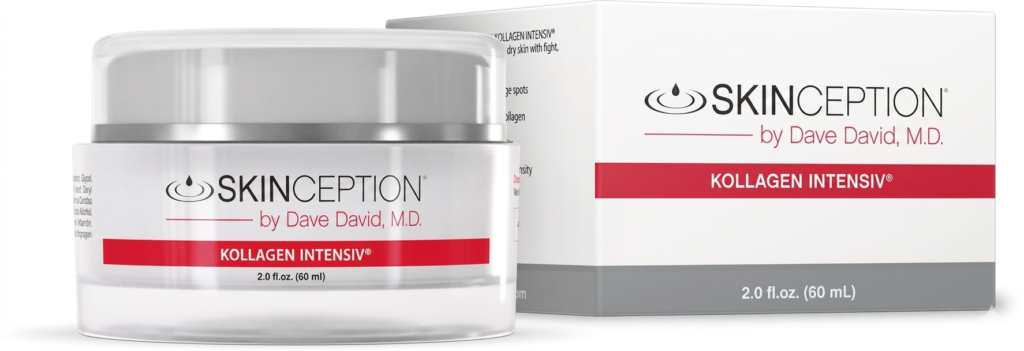
One product readers interested in this area may come across is Kollagen Intensiv, a topical skincare product positioned around the visible appearance of ageing skin.
Rather than expecting any cream to solve every possible cause of under-eye darkness, it’s more useful to evaluate a product based on what it is designed to do, how it fits into your existing routine, and whether its intended skincare focus matches your concerns.
If under-eye shadows are mainly caused by natural facial contours, genetics, or other factors beyond the skin’s surface, skincare alone may not completely change their appearance.
But supporting the surrounding skin with a consistent, thoughtful routine can still contribute to a smoother, more cared-for appearance.
The Bigger Picture Behind Brighter-Looking Eyes
Under-eye shadows can become more noticeable for surprisingly ordinary reasons.
Hydration, sleep quality, repeated rubbing, facial contours, sun exposure, makeup techniques, and natural age-related changes can all influence what you see when you look in the mirror.
That’s why the most useful approach is often not to chase a single “dark circle fix” but to consider what may actually be making the area look darker in the first place.
Small changes—such as gentler makeup removal, better sun protection, appropriate moisturising, and more thoughtful product choices—can help create a routine that better supports the delicate-looking skin around your eyes.
And if visible signs of ageing are part of what concerns you, you may want to learn more about Kollagen Intensiv, what it is designed for, and whether it makes sense for your skincare goals before deciding if it belongs in your routine.
⭐⭐⭐⭐⭐Kollagen Intensiv™ 74 reviews