Why the under-eye area can gradually appear darker, more shadowed, or more tired-looking — even when your routine hasn’t changed.
Dark circles can be frustrating because they don’t always behave the way you expect.
You might sleep well, drink plenty of water, and follow a consistent skincare routine, yet still notice that the area beneath your eyes looks darker or more pronounced than it once did.
The reason may not be one single problem.
As the appearance and structure of skin change over time, several subtle factors can make under-eye darkness, shadows, and uneven tone stand out more. In some cases, what looks like a “dark circle” may actually be a combination of thinner-looking skin, facial contours, pigmentation, puffiness, and the way light falls across the eye area.
Understanding these changes can make it easier to choose a more thoughtful approach to caring for mature-looking skin.
1. Under-Eye Skin Can Look Thinner
The skin around the eyes is naturally delicate, and age-related changes can make this area appear even thinner.
When skin looks less dense or cushioned, underlying blood vessels and natural colour variations may become easier to see. This can create a bluish, purplish, or shadowed appearance beneath the eyes.
It’s one reason dark circles may seem stronger even if the actual pigmentation of the skin hasn’t dramatically changed.

2. Loss of Facial Volume Can Create Deeper Shadows
Not every dark circle is caused by darker skin.
Changes in facial volume can gradually alter the contours beneath the eyes. A more noticeable hollow between the lower eyelid and upper cheek can create a shadow that looks surprisingly similar to pigmentation.
Lighting can make this effect even stronger.
That’s why under-eye circles may appear mild in bright, even lighting but suddenly look much deeper in overhead lighting or photographs.
3. Skin Can Become Drier and Less Reflective
Smooth, well-hydrated skin tends to reflect light more evenly.
When the under-eye area becomes dry or develops a rougher-looking texture, light may scatter differently across the surface. Fine lines and small creases can also become more visible.
The result can be an eye area that appears duller and more tired, making existing darkness seem more noticeable by contrast.
4. Uneven Pigmentation May Become More Visible
Sun exposure accumulated over the years can contribute to uneven-looking skin tone.
Because the eye area is delicate, differences in pigmentation may become particularly noticeable there.
Genetics and natural skin tone also play important roles, so under-eye darkness will not look the same on everyone. For some women, pigmentation is a major factor; for others, shadows or visible underlying structures contribute more.
5. Puffiness Can Make Shadows Look Darker
It may seem strange, but puffiness and dark circles can sometimes appear together.
When the area beneath the eyes looks swollen or raised, it can cast a small shadow directly underneath.
This creates contrast: the raised area catches light while the area below it appears darker.
As a result, reducing the appearance of tiredness isn’t always simply about addressing colour. The overall contour of the eye area matters too.
6. Fine Lines Can Change How Light Hits the Skin
Fine lines do more than change texture.
They also create tiny variations in how light and shadow move across the skin.
As lines become more noticeable, especially when the skin is dry, the under-eye area may no longer look as smooth or bright as it once did. This can visually intensify darkness that was already present.
Good lighting can soften this effect, while harsh overhead lighting often exaggerates it.

7. The Contrast Between the Eyes and Cheeks Can Increase
Sometimes the surrounding skin changes more than the dark circles themselves.
If the upper cheeks become less full-looking or the complexion appears more uneven, the contrast between the under-eye area and the rest of the face may increase.
That contrast can make circles suddenly seem more obvious.
This is an important distinction because the goal may not always be to “erase” darkness. Improving the overall appearance of hydration, texture, and brightness can sometimes make the entire eye area look more refreshed.
8. Rubbing and Irritation Can Affect Appearance
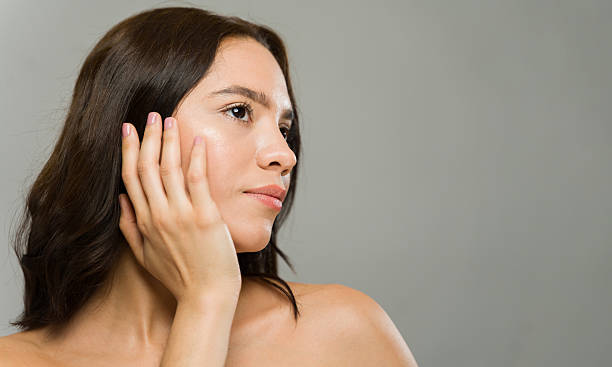
The skin around the eyes can be easily irritated.
Frequent rubbing — whether from tiredness, makeup removal, allergies, or habit — may leave delicate skin looking temporarily red, dry, or uneven.
Repeated irritation can also make an already noticeable under-eye area attract even more attention.
Being gentle when cleansing, removing makeup, or applying skincare is especially important around mature-looking skin.
9. Lifestyle Factors Can Become More Visible
A late night may have been easier to hide years ago.
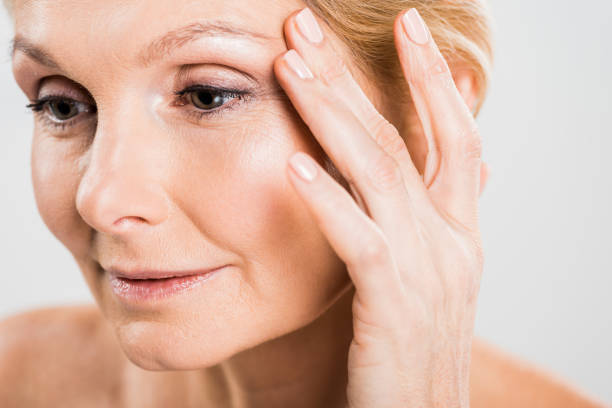
As the eye area changes with age, temporary factors such as poor sleep, dehydration, stress, or fatigue can sometimes appear more noticeable.
These factors may not be the underlying cause of persistent dark circles, but they can influence how refreshed the skin looks on any particular day.
That’s why dark circles often seem to fluctuate rather than remaining exactly the same.
10. Several Small Changes Can Happen at Once
Perhaps the biggest reason dark circles become more noticeable is that there may be multiple contributing factors.
Thinner-looking skin, dryness, pigmentation, hollowness, puffiness, and fine lines can overlap.
Together, they can create a stronger visual effect than any one factor would produce alone.
This is why simply searching for one “dark-circle fix” can be disappointing. A broader skincare approach often makes more sense when the concern is connected to the overall appearance of ageing skin.

What Can You Do About More Noticeable Under-Eye Ageing?
Start by thinking beyond darkness alone.
Gentle skincare, consistent moisturising, daily sun protection, adequate sleep, and avoiding unnecessary rubbing can all support the appearance of the delicate eye area.
It can also help to pay attention to what is actually creating the dark appearance.
Is it mainly colour? Dryness? Puffiness? A hollow that creates a shadow? Or a combination?
For women who are also concerned about visible signs of skin ageing — such as dryness, fine lines, or a loss of smoother-looking texture — an age-focused skincare routine may be worth exploring.
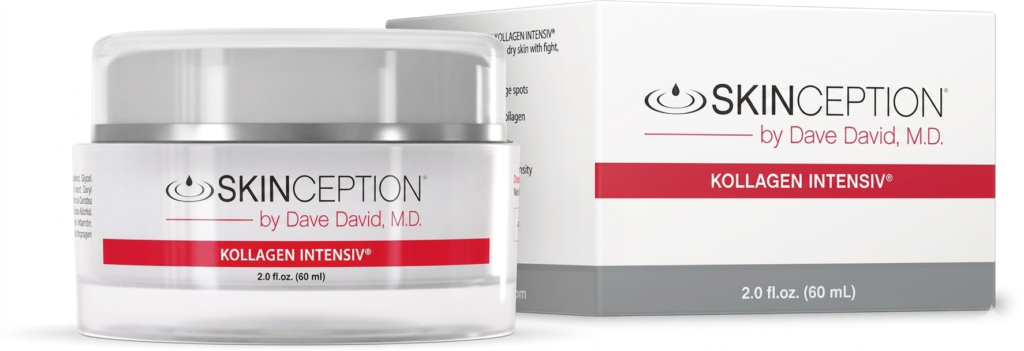
One product some readers may come across while researching this category is Kollagen Intensiv, a topical skincare cream positioned for people interested in the appearance of ageing skin.
Rather than viewing any cream as an instant solution specifically for dark circles, it makes more sense to consider how a product fits into your broader skincare goals.
If your main concerns include smoother-looking, more hydrated, youthful-looking skin, you may want to explore what Kollagen Intensiv is designed for, how it is intended to be used, and whether it fits your routine before deciding if it’s right for you.
A More Thoughtful Way to Look at Dark Circles
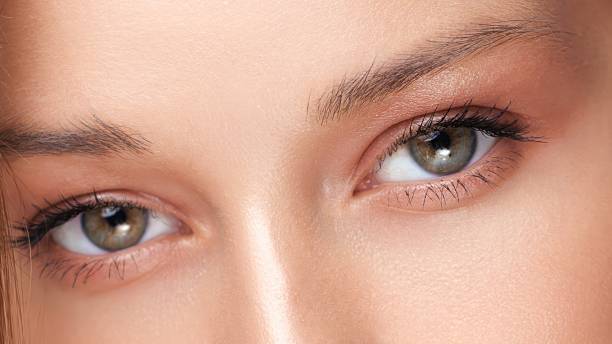
Dark circles can become more noticeable with age for reasons that go far beyond simply being tired.
Changes in skin thickness, facial contours, hydration, pigmentation, texture, and puffiness can all influence what you see in the mirror.
The key is recognising that the appearance of the under-eye area is often created by several factors working together.
A consistent routine focused on gentle care, hydration, sun protection, and the overall appearance of ageing skin may help you approach the concern more realistically.
And if you’re exploring skincare specifically designed for mature-looking skin, you can learn more about Kollagen Intensiv, what the product is intended to do, and whether it aligns with the results you’re hoping to achieve.
⭐⭐⭐⭐⭐Kollagen Intensiv™ 74 reviews