Why the mirror can look perfectly fine—until one photo seems to reveal shadows, lines, and texture you barely noticed before?
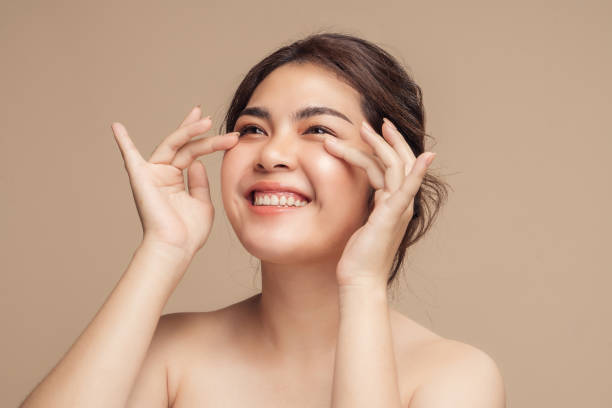
Have you ever looked in the mirror, felt reasonably happy with your appearance, and then seen a photo that made your under-eyes look unexpectedly older?
Maybe fine lines suddenly seemed deeper. Shadows looked darker. The skin appeared less smooth, more hollow, or more tired than it did just minutes earlier.
It can be confusing because a photograph does not always represent your appearance in the same way you see yourself in real life. Lighting, camera position, facial expression, makeup, and the natural characteristics of the delicate under-eye area can all influence what the camera captures.
Understanding why this happens can help you separate temporary photographic effects from visible changes in your skin—and make more informed decisions about how you care for the eye area.
Why Under-Eyes Can Look Different in Photos
The skin around the eyes has unique characteristics that make it especially sensitive to changes in light and shadow.
Because this area is naturally delicate, even subtle differences in texture, hydration, facial movement, or lighting can become much more noticeable in a still image.
Here are some of the biggest reasons your under-eyes may suddenly appear older in photographs.

1. Overhead Lighting Can Create Unflattering Shadows
Lighting can dramatically change how the eye area appears.
Strong overhead light—common in bathrooms, restaurants, offices, and indoor venues—can cast shadows beneath the eyes. These shadows may visually deepen natural contours and make the area appear more hollow or tired.
The effect can be especially noticeable if the light source is directly above you rather than in front of your face.
This is one reason you may love how your under-eyes look in a softly lit selfie but feel completely different about a photo taken under harsh ceiling lights.
2. High-Resolution Cameras Can Emphasize Tiny Details
Modern smartphone cameras capture an extraordinary amount of detail.
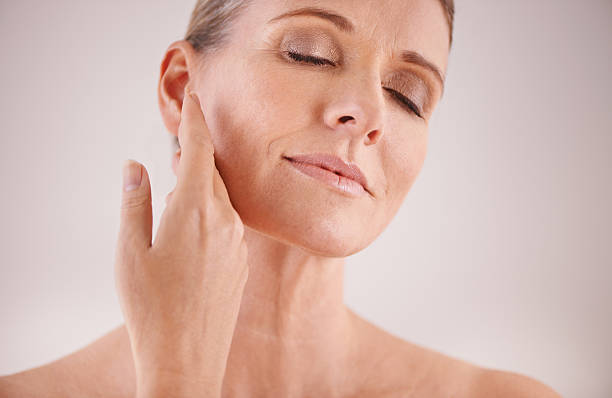
That can be wonderful for photography, but it also means they may record subtle skin texture that you would rarely focus on during a normal face-to-face interaction.
Tiny expression lines, makeup sitting in creases, areas of dryness, and uneven texture can all appear more obvious when an image is sharp, enlarged, or viewed on a bright screen.
A photograph effectively freezes one fraction of a second and gives you unlimited time to inspect it—something people do not normally do when looking at you in person.
3. Certain Facial Expressions Change the Eye Area
Your under-eyes do not remain completely still when you smile, squint, laugh, or react.
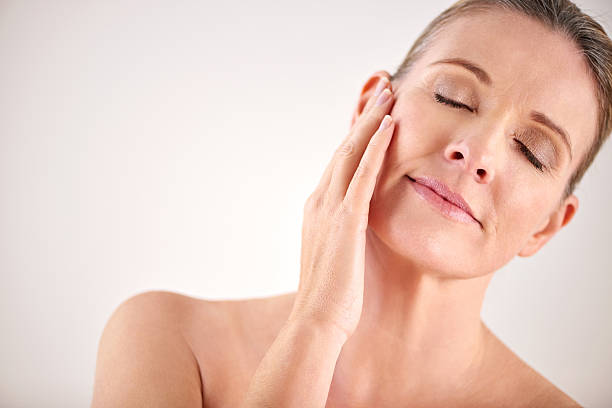
When the muscles around your eyes move, the skin naturally folds and shifts with them. A camera can capture those temporary folds at precisely the moment they are most visible.
A wide smile, for example, may push the cheeks upward and temporarily make lines beneath or beside the eyes appear more noticeable.
This does not necessarily mean those lines suddenly became deeper. The photograph may simply have captured your face in motion.
4. Dry-Looking Skin Can Make Texture Stand Out
When the under-eye area looks dry or lacks surface hydration, fine texture may become easier to see.
This can be particularly noticeable in photographs taken with strong lighting or high contrast.
Makeup may also behave differently on dry-looking skin. Concealer or powder can settle into small creases, creating additional contrast that makes lines look more defined on camera.
A heavy layer of product does not always create a smoother appearance. In some situations, lighter application and better skin preparation may photograph more naturally.
5. Camera Angles Can Change Facial Contours
A camera positioned slightly above, below, or to one side of your face can alter how light falls across your features.
Even a small change in angle may make the transition between your lower eyelid and upper cheek appear more pronounced.
This matters because photographs turn a three-dimensional face into a flat image.
Depth, movement, and changing light are reduced to a single frame, so shadows can sometimes appear stronger than they do when someone sees you naturally from multiple angles.
6. Flash Can Increase Contrast Around the Eyes
Direct flash can create a very different effect from soft natural light.
Depending on the angle and intensity, flash may make some areas of the face appear extremely bright while leaving nearby contours more defined.
This increased contrast can draw attention to under-eye texture, shadows, or makeup.
If you notice that your under-eyes look dramatically different from one photo to another, compare the lighting before assuming your skin has suddenly changed.
When Photos May Be Highlighting Real Skin Changes
Although photography can exaggerate certain features, sometimes photos make us notice gradual changes that were already developing.
As skin changes with age, concerns such as fine lines, dryness, uneven-looking texture, and reduced firmness may become more noticeable around the eyes.
Rather than judging your skin from one unflattering photograph, look for patterns.
Does the area consistently appear different across various lighting conditions? Have you noticed similar changes in the mirror over several months? Does your skin feel drier or look less smooth than it used to?
If so, it may be worth reviewing your skincare routine rather than focusing only on camera tricks.
Gentle cleansing, appropriate moisturisation, daily sun protection, and avoiding unnecessary rubbing or tugging around the eyes can all form part of a sensible skincare approach.
For women who are specifically interested in skincare designed to address the visible appearance of ageing skin, this may also be the point where researching targeted cosmetic products becomes relevant.
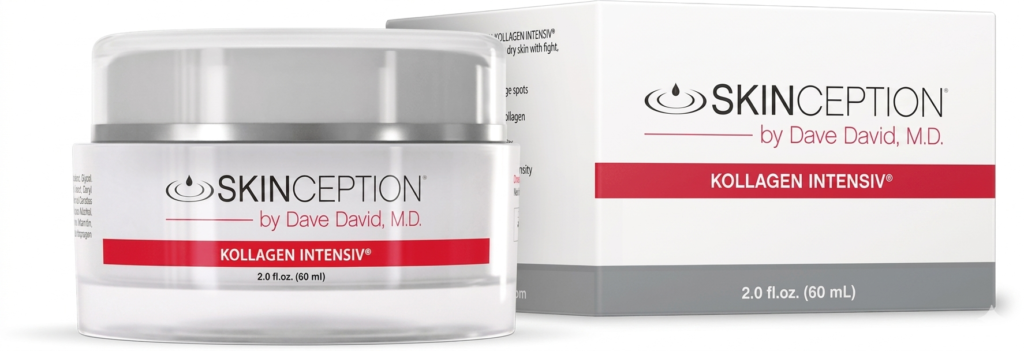
One option you may come across is Kollagen Intensiv, a topical skincare product marketed toward people concerned about visible signs of skin ageing.
Instead of assuming any product is right for you based on marketing alone, it is worth looking closely at what the product is designed to do, how it fits into your existing routine, and whether its claims and formulation align with what you are looking for.
The goal is not to chase a completely line-free appearance in every photograph. A more realistic approach is to support skin that looks cared for, comfortable, and smoother in appearance while recognising that lighting and expression will always affect photographs.
The Photo May Not Be Telling the Whole Story
One surprising photo can make it seem as though your under-eyes changed overnight—but appearances can be heavily influenced by lighting, camera angle, expression, dryness, makeup, and image quality.
Before becoming discouraged, compare how your eye area looks under different conditions.
If the changes seem mostly photographic, adjusting lighting, makeup, and camera positioning may make a noticeable visual difference. If you are consistently seeing signs of dryness, fine texture, or other visible age-related changes, focusing on a thoughtful skincare routine may be more useful.
And if you are curious about products specifically marketed for the visible signs of ageing skin, you can take a closer look at Kollagen Intensiv to learn what it is designed for and decide whether it makes sense for your skincare goals.
⭐⭐⭐⭐⭐Kollagen Intensiv™ 74 reviews