Why the area beneath your eyes can suddenly look darker, deeper, or more tired—and the subtle factors that may be making shadows stand out more than you realise.

You can wake up feeling perfectly fine, look in the mirror, and still wonder why your eyes seem tired.
Sometimes, what looks like “dark circles” is not simply a change in skin colour. The appearance can also be influenced by shadows created by facial structure, puffiness, skin texture, lighting, and changes in the delicate under-eye area.
That distinction matters.
If shadows are contributing to the problem, piling on more concealer may only disguise part of what you are seeing. Understanding what makes the area look darker in the first place can help you make smarter choices about skincare, makeup, and everyday habits.
Here are seven factors that can make under-eye shadows appear more noticeable—and why some days they seem far more obvious than others.
1. Under-Eye Hollows Can Create Natural Shadowing
The area beneath the eyes is not completely flat.
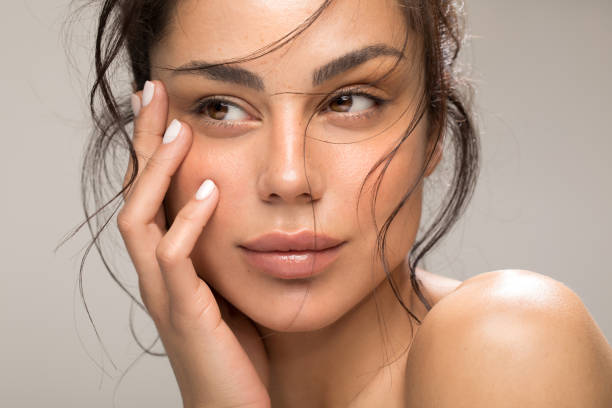
Natural contours between the lower eyelid and upper cheek can create areas where light does not fall evenly. When this happens, a hollow may appear darker even when the skin itself is not significantly darker.
This effect can become more noticeable when the face is viewed under overhead lighting or in strong directional light.
Changes in facial volume and skin support over time may also make these contours appear more defined, causing shadows to look deeper than they once did.
2. Morning Puffiness Can Make Nearby Areas Look Darker
Puffiness does more than make the under-eye area look swollen.
When the tissue beneath the eyes appears fuller, it can create a small raised area that catches light differently. Directly beneath that fullness, a shadow may form.
This can create a frustrating combination: the upper part of the under-eye looks puffy while the area immediately below it looks darker.
That is one reason under-eye shadows may seem especially noticeable first thing in the morning and appear different later in the day.

3. Thin-Looking Skin Can Increase Visible Contrast
The skin around the eyes is naturally delicate, which means subtle changes can have a surprisingly large visual effect.
When under-eye skin looks thin, dry, or less plump, underlying tones and natural facial contours may become easier to see.
This increased contrast can make the area appear darker even when there has not been a dramatic change in pigmentation.
It also explains why the under-eye area can sometimes look more tired as skin matures. The issue may involve several visual factors at once rather than one simple cause.
4. Dehydrated-Looking Skin Can Emphasize Texture
Dryness does not necessarily create under-eye shadows, but it can make them easier to notice.
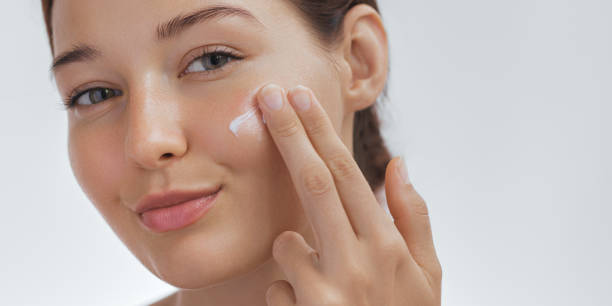
When the skin lacks a smooth, hydrated appearance, fine lines and uneven texture may become more visible. Light then reflects less evenly across the surface.
Instead of looking smooth and bright, the area may appear duller and more textured.
Makeup can sometimes exaggerate this effect. Concealer that settles into dry-looking skin may create additional contrast, drawing even more attention to an area you were trying to disguise.
5. Overhead Lighting Can Dramatically Change Their Appearance
Have you ever looked at your eyes in one mirror and thought they looked fine, only to see much darker circles somewhere else?
Lighting may be responsible.
Strong overhead lighting creates downward shadows across the face. Because the eye area naturally contains curves, hollows, and raised areas, these shadows can become especially obvious beneath the eyes.
Soft light coming from directly in front of the face tends to reduce this effect.
This is also why judging your under-eye appearance from a single bathroom mirror can be misleading. What appears to be severe darkness may partly be the result of where the light is coming from.

6. Eye Rubbing Can Make the Area Look More Irritated
The skin around the eyes is delicate, yet it is an area many people touch frequently without thinking about it.
Rubbing tired or itchy eyes can temporarily leave the surrounding skin looking irritated or less even in appearance.
Repeated pulling and friction may also make dryness and texture more noticeable.
A gentler approach is usually better. When cleansing, removing makeup, or applying skincare, avoid aggressive rubbing and unnecessary tugging.
Small changes in how you handle this delicate area can help maintain a smoother-looking appearance.
7. Makeup Placement Can Accidentally Deepen the Shadow Effect
Sometimes the problem is not your under-eye area—it is how makeup interacts with it.
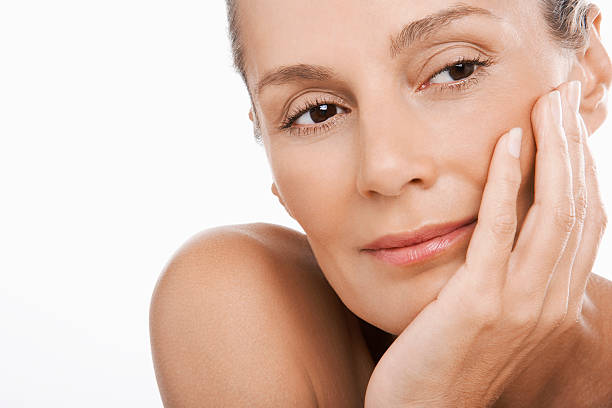
Applying a very light concealer only to the darkest hollow can occasionally create an obvious contrast between different parts of the face. Heavy powder may also emphasise dryness and fine texture.
Dark eye makeup placed heavily along the lower lash line can add another layer of visual shadow.
The goal is not necessarily to cover every trace of darkness.
Using lightweight layers, blending carefully, and paying attention to where natural shadows fall can often create a softer, more refreshed appearance than applying a thick layer of concealer.
What Can You Do About More Noticeable Under-Eye Shadows?
Because under-eye shadows can have several causes, there is rarely one cosmetic approach that suits every situation.
Start by observing when the shadows look most noticeable.
Are they stronger in the morning when your eyes look puffy? Do they become dramatic under overhead lighting? Does concealer make the area look drier? Or has the skin gradually started looking less smooth and supported over time?
The answer can help guide your approach.

Gentle skincare, consistent moisturisation, sun protection, careful makeup application, and avoiding unnecessary rubbing can all support the visible appearance of the delicate eye area.
For women who are also noticing broader signs of skin ageing—such as fine lines, dryness, or a less smooth and youthful-looking appearance—it may also be worth exploring skincare products designed with mature-looking skin in mind.
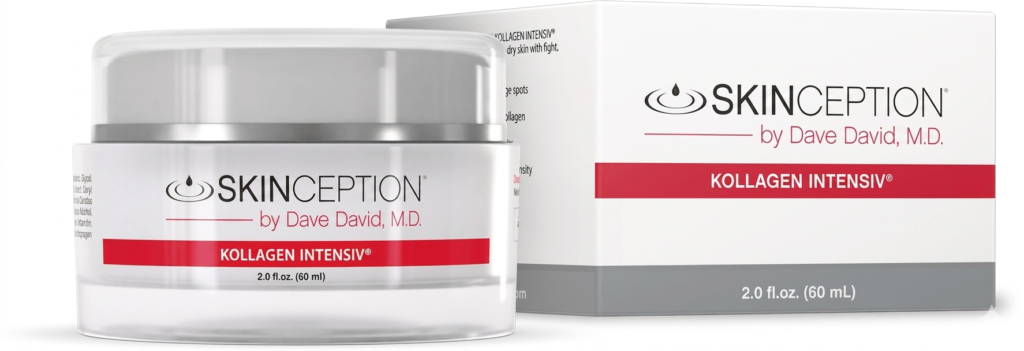
One option you may come across is Kollagen Intensiv, a cosmetic skincare product marketed toward people interested in improving the appearance of ageing skin.
Rather than expecting any cream to change natural facial structure or eliminate every cause of under-eye darkness, it is more realistic to consider skincare as one part of a broader appearance-focused routine.
If your concern involves how smooth, hydrated, and refreshed your skin looks, learning more about what a product is designed to do can help you decide whether it fits your routine.

The Bottom Line
Under-eye shadows are not always as simple as “dark circles”.
Natural hollows, temporary puffiness, delicate-looking skin, dryness, lighting, rubbing, and even makeup placement can all change how dark or tired the area beneath your eyes appears.
Once you understand what may be creating the shadow effect, it becomes easier to focus on the factors you can realistically influence.
Sometimes that means changing how you apply concealer. Sometimes it means being gentler with the eye area or paying more attention to hydration and skincare.
And if visible signs of skin ageing are part of what you are noticing, you may want to learn more about Kollagen Intensiv, what it is designed for, and whether it makes sense for your skincare goals before deciding if it deserves a place in your routine.
⭐⭐⭐⭐⭐Kollagen Intensiv™ 74 reviews