A smarter eye-area routine isn’t about using more products—it’s about understanding what this delicate skin actually needs and avoiding the small habits that can make it look more tired, dry, or aged.
You can have a bathroom shelf full of skincare products and still wonder why the area around your eyes doesn’t look as smooth, fresh, or rested as you would like.
That’s because an effective eye care routine is not simply about adding another cream or following every new beauty trend.
The skin around the eyes has its own challenges. Dryness can make fine lines appear more noticeable. Puffiness can change the way light falls across the face. Dark shadows can create a tired appearance, while everyday habits—from rubbing your eyes to inconsistent sun protection—may influence how this delicate area looks over time.
So, what actually makes an eye care routine effective?
The answer often comes down to a few surprisingly simple principles: consistency, gentleness, protection, hydration, and choosing products with a clear purpose.
1. Start With Gentle Cleansing
An effective routine begins before you apply any eye-area product.
Makeup, sunscreen, oil, and everyday residue need to be removed, but aggressive cleansing can work against the appearance you are trying to achieve.
The eye area is particularly delicate, which is why repeated pulling, rubbing, and scrubbing may leave the skin feeling uncomfortable or looking temporarily irritated.
Instead of trying to remove stubborn makeup through friction, use an appropriate cleanser or makeup remover and allow it time to loosen the product before gently wiping it away.
This small change matters because skincare is not only about what you apply.
How you treat your skin every day is part of the routine too.

2. Match Hydration to What Your Skin Needs
Have you ever noticed that fine lines seem more obvious on some days than others?
One possible reason is dryness.
When the eye area lacks moisture, its surface can look less smooth, which may make existing texture and fine lines appear more noticeable.
A well-designed routine should therefore include appropriate hydration rather than relying entirely on makeup to disguise dryness.
The goal is not to make the skin look greasy or overloaded with product. It is to support a softer, more comfortable-looking surface.
This can also help makeup sit more naturally instead of settling as noticeably into dry-looking areas.

3. Protect the Eye Area From Daily Sun Exposure
One of the easiest parts of an eye care routine to overlook happens during the day rather than at night.
Sun exposure contributes to visible changes in the skin over time, making daily sun protection an important part of a broader skincare routine.
Use a suitable broad-spectrum sunscreen as directed, including around the eye area where the product is designed to be safely applied.
Sunglasses can provide another practical layer of protection while also reducing the tendency to squint in bright conditions.
It may not feel as exciting as buying a new beauty treatment, but protection is an important part of maintaining the appearance of skin over the long term.

4. Look Beyond the Eye Cream
One of the biggest mistakes people make is expecting one product to solve every visible eye-area concern.
The appearance of your eyes can be influenced by many factors.
Sleep, allergies, dehydration, genetics, facial structure, sun exposure, natural ageing, pigmentation, and temporary fluid retention can all play a role.
That means the right approach depends partly on what you are actually seeing.
For example, dark-looking under-eyes are not always caused by the same thing. In some people, pigmentation may contribute. In others, shadows created by facial contours or under-eye hollows may make the area appear darker.
Understanding this prevents you from endlessly switching products because they failed to address something they were never designed to change.
5. Apply Products Without Unnecessary Tugging
Application technique is easy to ignore because it seems insignificant.
But think about how often you touch the eye area over the course of a year.
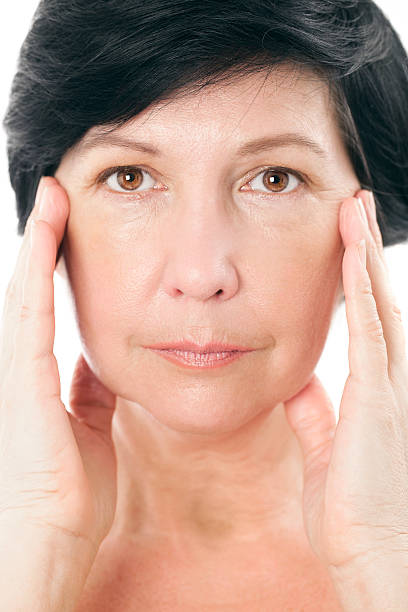
Repeated aggressive rubbing while removing makeup, applying skincare, or dealing with itchy eyes creates unnecessary friction on delicate skin.
A gentler routine is simple.
Use a small amount of product, follow its application directions, and spread or pat it carefully without pulling excessively at the skin.
More pressure does not make skincare work better.
In many cases, gentle and consistent beats aggression and complexity.

6. Give Your Routine Enough Time to Evaluate It
Constantly changing products can make it difficult to understand what is actually working for you.
A product may feel pleasant immediately, but changes in the visible appearance of skin often need to be assessed over a longer period.
That doesn’t mean continuing to use something that causes irritation or discomfort.
It means avoiding the cycle of trying something briefly, becoming impatient, replacing it, and then starting again before you have learned anything useful.
Keep your routine relatively simple and observe how your skin looks and feels.
If you introduce multiple new products simultaneously, it can become much harder to identify which one is helping—or causing a problem.

7. Build a Routine You Can Realistically Maintain
The most elaborate eye care routine in the world is not particularly useful if you only follow it occasionally.
Consistency is one of the most underrated parts of skincare.
For many people, an effective routine can be surprisingly straightforward.
Gently cleanse the area.
Use skincare suited to your needs.
Support hydration.
Protect your skin from sun exposure during the day.
Avoid unnecessary rubbing and tugging.
Then give your routine enough consistency to judge it fairly.
Rather than asking, “What else can I add?”, a better question may be the following:
“Am I doing the important things consistently?”
Where Does an Anti-Ageing Skincare Product Fit In?
Once the basics are established, some people choose to add a targeted skincare product because they want to focus more specifically on the visible signs of ageing.
This is where it becomes important to separate realistic skincare expectations from dramatic promises.
A topical skincare product cannot stop natural ageing, and no cream should be expected to completely transform every cause of wrinkles, under-eye shadows, puffiness, or facial ageing.
However, choosing skincare specifically positioned around the appearance of ageing skin can be a logical addition for someone whose main concern is maintaining a smoother, more youthful-looking complexion.
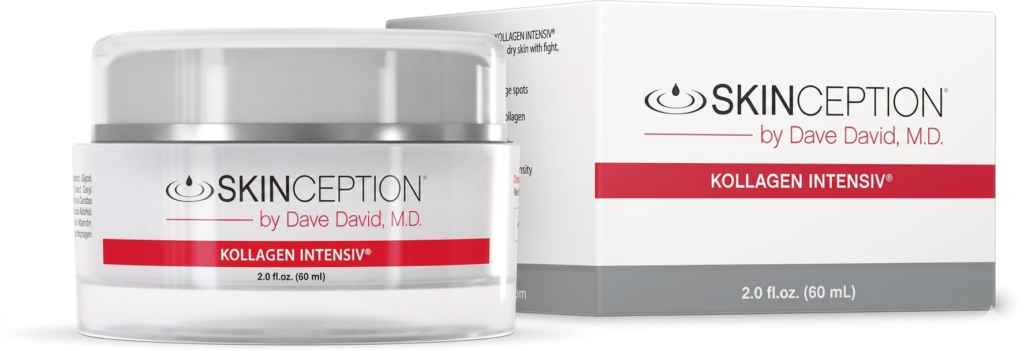
One product readers researching this category may come across is Kollagen Intensiv, an anti-ageing skincare cream marketed toward people concerned about the visible appearance of ageing skin.
Rather than choosing a product simply because of an advertisement or a dramatic before-and-after claim, it is worth learning what the product is designed for, how it is intended to be used, and whether it makes sense within your existing routine.
That research-first approach can help you make a more informed decision instead of buying another product that ends up forgotten in the bathroom cabinet.

The Most Effective Routine Is Often the One You’ll Actually Follow
A good eye care routine does not need ten complicated steps.
It needs purpose.
Gentle cleansing helps avoid unnecessary friction. Hydration can support a smoother, more comfortable-looking surface. Sun protection helps defend the skin from an important source of visible ageing, while consistent skincare habits make it easier to understand what genuinely works for you.
Most importantly, identify the concern you are trying to address before adding more products.
If visible signs of ageing are one of your main concerns and you are considering a more targeted addition to your routine, you may want to learn more about Kollagen Intensiv, what it is designed to do, and whether it fits your skincare goals before deciding if it is right for you.
⭐⭐⭐⭐⭐Kollagen Intensiv™ 74 reviews