From morning puffiness to fine lines that suddenly seem more noticeable, understanding what changes the look of your eye area can help you make smarter skincare choices.

The eye area has a way of getting your attention.
You may wake up one morning and notice puffiness that was barely there yesterday. Another day, shadows seem deeper, fine lines look more obvious, or your eyes simply appear more tired than you feel.
What makes this area especially frustrating is that similar-looking concerns can have very different explanations.
The skin around the eyes is naturally delicate, and its appearance can be influenced by everything from facial structure and hydration to sleep, sun exposure, repetitive movement, and normal age-related skin changes.
Understanding these differences matters. Instead of treating every concern as though it has the same cause, you can take a more thoughtful approach to what your eye area may actually need.
Here are eight common eye-area concerns—and what may be behind them.
1. Fine Lines Around the Eyes
Fine lines often become noticeable around the outer corners and beneath the eyes because this area is constantly moving.
Smiling, squinting, blinking, and other facial expressions repeatedly fold the skin in similar places. Over time, these temporary creases can become more visible even when your face is relaxed.
Age-related changes in the skin can also make lines easier to see. As skin becomes less resilient and moisture levels fluctuate, its surface may no longer appear as smooth as it once did.
This is why consistent moisturising and sun protection can be particularly important when your goal is maintaining a smoother-looking eye area.
2. Under-Eye Puffiness
Puffiness can make the eyes appear heavier or less rested, but it isn’t always related to how much sleep you had.
Temporary fluid retention, allergies, lifestyle factors, and even sleeping position may influence how puffy the under-eye area looks at different times.
Longer-term changes can also occur as the structures supporting the eye area naturally change with age.
If puffiness seems dramatically worse one morning and better the next, temporary factors may be playing a larger role than skin ageing alone.
3. Dark-Looking Under-Eye Circles
“Dark circles” are more complicated than their name suggests.
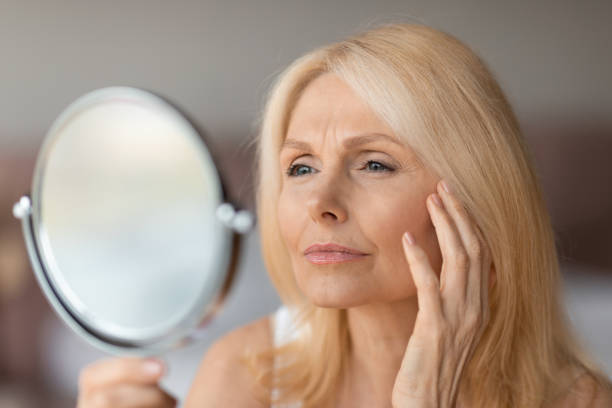
In some people, visible pigmentation contributes to darkness. In others, naturally thin-looking skin may make underlying blood vessels more noticeable.
Facial anatomy can also create shadows beneath the eyes. A hollow or indentation may catch light differently, producing darkness even when the skin itself is not significantly darker.
Because several factors can create a similar appearance, one person’s solution may not produce the same visual result for someone else.
4. Dry, Crepey-Looking Texture
When the skin beneath your eyes looks finely crinkled or “crepey”, dryness may be making the texture more noticeable.
The eye area has relatively delicate skin, so a lack of moisture can quickly affect how smooth and supple it appears.
Makeup can sometimes exaggerate the effect by settling into dry texture or fine lines.
A gentle moisturising routine can help support a softer, more hydrated appearance, while avoiding harsh rubbing or overly aggressive products may help prevent unnecessary irritation.
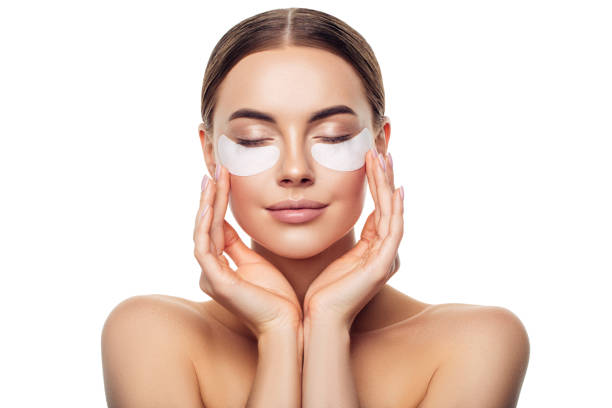
5. Eyes That Look Tired
Sometimes there isn’t one obvious problem—you simply look tired.
Several subtle changes can combine to create this effect.
Puffiness can make the eyes appear heavier. Shadows can create depth beneath them. Dryness may emphasize texture, while dull-looking skin can reduce the fresh appearance you assoemphasiseh being well rested.
This explains why getting more sleep doesn’t always completely change how your eyes look.
Sleep matters, but the visible “tired” effect may involve more than fatigue alone.
6. Under-Eye Hollows and Shadows
As facial contours change over time, the transition between the lower eyelid and cheek can sometimes appear more pronounced.
This may create a hollow that casts a shadow under certain lighting.
The important distinction is that a shadow is not necessarily the same thing as pigmentation.
You might notice this by comparing your eye area under bright overhead lighting with softer, front-facing light. If the darkness changes significantly, facial contours and shadowing may be contributing to what you’re seeing.
7. Loss of a Smooth, Firm-Looking Appearance
Youthful-looking skin often has a naturally smooth and resilient appearance.
Over time, changes associated with ageing, environmental exposure, and cumulative sun damage can affect how firm and even the skin appears.
Around the eyes, these changes may seem particularly noticeable because the skin is delicate and constantly moving.
Protecting the area from excessive sun exposure and maintaining consistent skincare habits can be more valuable than constantly switching products in search of an instant transformation.

8. Uneven-Looking Tone Around the Eyes
Not every eye-area concern involves wrinkles.
An uneven-looking tone can also make the area appear less bright or refreshed.
Sun exposure, natural pigmentation differences, irritation, and other factors may influence how even the surrounding skin appears.
Because the eye area can be sensitive, aggressive exfoliation or experimenting with too many strong products may backfire by causing irritation.
A gentle, consistent approach is often more sensible than trying to force rapid visible change.
What Can You Do About Visible Eye-Area Ageing?
Once you understand that eye-area concerns can come from different sources, skincare becomes less about finding one “miracle” answer and more about supporting the appearance of your skin consistently.
Start with the fundamentals.
Protecting your skin from excessive UV exposure is important because cumulative sun exposure can contribute to visible signs of premature skin ageing.
Gentle cleansing, regular moisturising, adequate hydration, and avoiding unnecessary rubbing around the eyes can also support a healthier-looking appearance.
If fine lines, dryness, or other visible signs of ageing are among your main concerns, you may also choose to explore skincare products specifically positioned toward mature or ageing-looking skin.
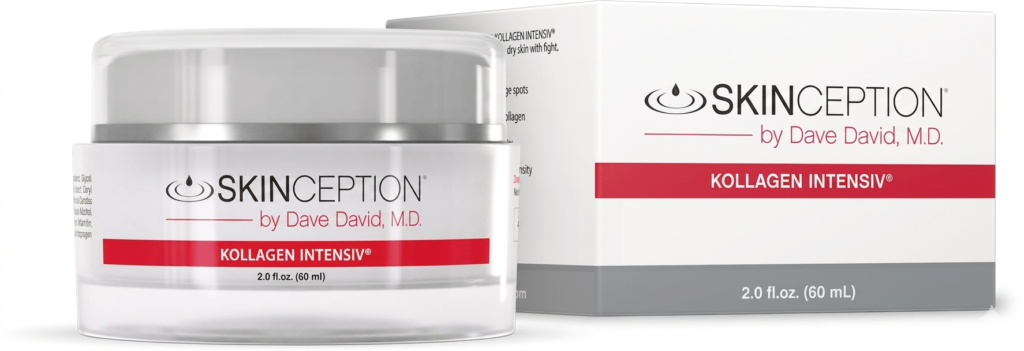
One option you may come across is Kollagen Intensiv, a topical skincare product marketed toward people concerned about the visible appearance of ageing skin.
No cosmetic cream can address every possible cause of dark circles, puffiness, hollows, or other eye-area changes. That distinction is important.
However, if your goal is to build a skincare routine focused on the appearance of smoother, more youthful-looking skin, Kollagen Intensiv may be a product worth researching to see whether it fits your needs, expectations, and routine.
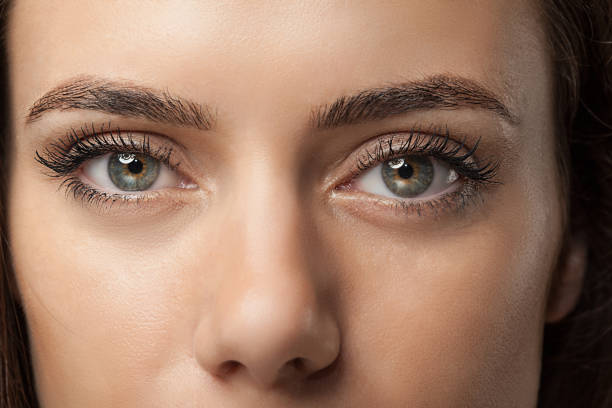
Understanding Your Eyes Is the First Step
The biggest mistake may be assuming that every visible eye-area concern means the same thing.
Fine lines, puffiness, shadows, dryness, hollows, uneven tone, and tired-looking eyes can overlap visually while having very different contributing factors.
Understanding what you’re actually seeing can help you make more informed choices instead of chasing a different solution every time something catches your attention in the mirror.

Consistent skincare, sun protection, and realistic expectations provide a stronger foundation for maintaining a refreshed, cared-for appearance over time.
And if visible signs of skin ageing—particularly texture, fine lines, and a less youthful-looking appearance—are what concern you most, you may want to learn more about Kollagen Intensiv, what it is designed for, and whether it makes sense as part of your skincare routine.
⭐⭐⭐⭐⭐Kollagen Intensiv™ 74 reviews