Why the skin around your eyes can suddenly look less smooth—and the everyday factors that may be making fine texture, creasing, and unevenness more noticeable.
The eye area has a way of revealing small changes before you notice them anywhere else.
One morning, your under-eyes may look relatively smooth. Another day, fine lines seem sharper, makeup settles differently, and the skin appears drier, thinner, or more textured—even though you haven’t changed much about your routine.
That inconsistency can be frustrating, especially when you’re trying to create a fresher, smoother-looking appearance.
But eye area texture isn’t influenced by just one thing. The delicate skin surrounding the eyes responds to changes in moisture, movement, environment, skincare habits, and the natural ageing process.
Understanding these influences can make it easier to recognise why texture becomes more noticeable—and what deserves attention in your routine.
1. Changes in Surface Hydration
One of the fastest ways eye-area texture can become more visible is through changes in hydration.
When the skin’s surface lacks moisture, tiny lines and creases may appear more defined because the skin doesn’t reflect light as evenly. This can create a slightly rough, papery, or less supple appearance.
Even temporary dryness can make texture look more pronounced, which explains why your eye area may seem smoother on some days than others.

2. The Natural Decline of Skin-Supporting Components
As skin ages, its structure gradually changes.
Collagen and other naturally occurring components that help support firmness and elasticity can decline over time. Around the eyes—where the skin is already delicate—these changes may become especially noticeable.
The result isn’t simply “wrinkles”. The entire surface can begin to look different, with fine creasing, reduced bounce, and less uniform texture becoming easier to see.
This is one reason eye-area ageing often feels like a gradual change in skin quality rather than the sudden appearance of one specific line.
3. Repeated Facial Expressions
Your eyes are constantly moving.
Smiling, squinting, laughing, blinking, and concentrating all repeatedly fold the skin around them. These movements are completely normal, but over many years they can influence where expression lines become most noticeable.
As younger skin tends to recover more readily after movement, these temporary folds may initially disappear quickly.
With age-related changes in elasticity and support, however, some lines can remain more visible even when your face is relaxed.

4. Sun Exposure Over Time
Sun exposure can affect far more than skin tone.
Ultraviolet exposure contributes to visible changes in skin structure over time, which can influence firmness, elasticity, and texture. Because the eye area is delicate, cumulative exposure may make fine lines and uneven texture more noticeable.
Squinting in bright sunlight can add another factor by repeatedly creasing the skin around the outer corners of the eyes.
Daily sun protection, sunglasses, and shade can therefore play an important role in protecting the appearance of this area.
5. Rubbing and Pulling at the Eye Area
The skin around your eyes regularly encounters more friction than you might realise.
Removing stubborn mascara, rubbing tired or itchy eyes, tugging while applying products, or repeatedly pulling the skin during makeup application can all place unnecessary mechanical stress on a delicate area.
A gentler approach is usually better.
Instead of aggressively rubbing, use products and techniques that allow makeup and skincare to be applied or removed with minimal pulling.
Small habits repeated every day can matter more than occasional intensive treatments.
6. How Your Skincare Products Interact With Your Skin
More skincare doesn’t automatically mean smoother-looking skin.
Strong exfoliants, retinoids, cleansers, or active ingredients used too frequently—or too close to the eyes when they aren’t intended for that area—may leave some people experiencing dryness or irritation.
When the skin becomes dry or uncomfortable, texture can appear more obvious.
Pay attention to how your skin actually responds rather than assuming that stronger or more complicated routines always produce better cosmetic results.
7. Makeup Application and Product Buildup
Sometimes what appears to be worsening skin texture is partly a makeup issue.
Heavy concealer, excessive powder, or multiple layers of product can settle into fine lines and emphasise areas that were barely noticeable on bare skin.
The finish of a product also matters.
Very matte formulas may make dry texture stand out, while applying too much product can create visible buildup as facial expressions move the skin throughout the day.
Using thinner layers and allowing skincare to absorb before makeup may create a more natural-looking finish.
8. Seasonal and Environmental Changes
Your environment can noticeably change how the eye area looks.
Cold weather, low humidity, indoor heating, air conditioning, wind, and sudden climate changes can all affect how much moisture the skin retains.
That means texture isn’t always a permanent change.
If your under-eyes suddenly look more creased during winter or after spending long periods in dry indoor environments, surface dehydration may be contributing to what you see.
Adjusting your skincare according to the season can sometimes make more sense than following exactly the same routine all year.
9. The Combination Effect
Perhaps the most overlooked influence is that eye area texture rarely comes from one factor alone.
Natural ageing may reduce some of the skin’s youthful-looking resilience, while dryness makes existing lines more visible. Sun exposure may contribute to long-term changes, while makeup exaggerates the texture temporarily.
These factors can overlap.
That’s why focusing on a single “miracle fix” can be disappointing. A more realistic approach is to look at the entire picture: protection, hydration, gentle skincare habits, product choices, and consistent care.

What Can You Do About Visible Eye Area Texture?
The goal doesn’t have to be making every line disappear.
A more practical approach is supporting skin so it looks hydrated, cared for, and as smooth and healthy-looking as possible.
Start with the basics: avoid unnecessary rubbing, protect your skin from excessive sun exposure, choose products appropriate for your skin, and pay attention to dryness.
Consistency is often more useful than constantly switching between trending products.
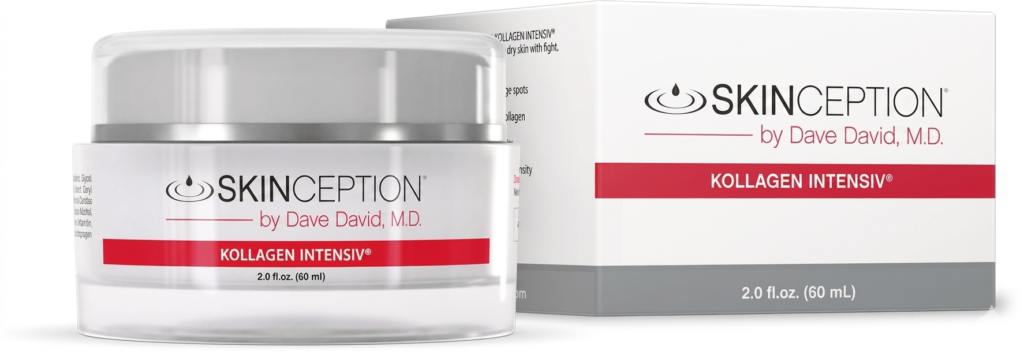
For people specifically researching skincare designed to address the visible signs associated with ageing skin, Kollagen Intensiv is one option they may come across.
Rather than choosing any anti-ageing product based solely on advertising, it’s worth looking more closely at what the product is designed to do, how it fits into your existing skincare routine, and whether its intended use matches your personal concerns.
This is especially relevant if your concerns extend beyond temporary dryness and include the broader appearance of fine lines, texture, and mature-looking skin.
Learning about a product before buying also gives you the opportunity to separate realistic skincare expectations from exaggerated promises.

A Smoother-Looking Eye Area Starts With Understanding What You’re Seeing
Eye area texture can be influenced by far more than age alone.
Hydration, repeated facial movement, sun exposure, environmental conditions, skincare habits, makeup, and gradual structural changes can all affect how smooth or textured this delicate area appears.
The useful takeaway is that not everything you notice requires the same solution.
Understanding why your eye area looks different can help you make smarter choices about protection, hydration, skincare, and the products you decide to investigate.
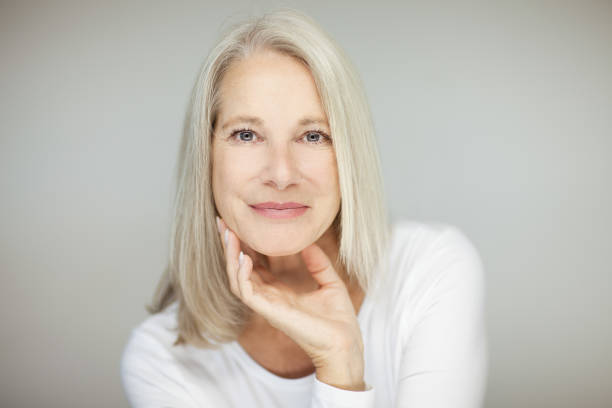
If visible signs of ageing are one of your main concerns, you may also want to learn more about Kollagen Intensiv, what it is designed for, and whether it makes sense for your skincare goals before deciding if it belongs in your routine.
⭐⭐⭐⭐⭐Kollagen Intensiv™ 74 reviews