A practical guide to the small daily habits that can help mature eyes look smoother, fresher, and more cared for—without turning your routine into a complicated 10-step ritual.

After 50, the eye area can seem to change faster than other parts of the face.
Fine lines may become easier to notice. The skin can look drier or thinner. Puffiness may linger longer in the morning, while shadows and creases can make your eyes appear tired even after a perfectly good night’s sleep.
That can make it tempting to search for one miracle product or complicated routine that promises to fix everything.
But everyday eye care is often less about doing more and more about doing the right things consistently.
The delicate skin around your eyes has different needs from many other areas of your face. Understanding those needs—and adjusting a few daily habits accordingly—can help you create a routine focused on keeping the eye area looking comfortable, hydrated, smooth, and refreshed.
Here’s where to start.
Why Eye Care Often Needs to Change After 50
The skin around the eyes is naturally delicate, and visible changes can become more noticeable with age.
Dryness can make fine lines appear more pronounced. Changes in skin texture may affect how smoothly makeup sits. Years of facial movement, sun exposure, environmental stress, and everyday habits can also influence how the area looks.
This means the routine that worked well in your 30s or 40s may no longer give you the same cosmetic result.
The goal isn’t to chase an impossibly “perfect” eye area.
A better approach is to support the appearance of mature skin by reducing unnecessary stress, maintaining moisture, protecting it from avoidable exposure, and choosing skincare that suits your current concerns.

1. Make Gentle Cleansing Your First Priority
One of the easiest ways to treat the eye area more carefully is to pay attention to how you remove makeup and cleanse your face.
Waterproof mascara, eyeliner, concealer, and long-wear products can require extra effort to remove. Repeated rubbing and tugging may leave delicate skin feeling uncomfortable or looking temporarily irritated.
Instead of aggressively wiping, give your cleanser or makeup remover time to loosen the product before gently removing it.
Think of cleansing as preparation rather than scrubbing.
The aim is to leave the area clean without making it feel stripped, tight, or overworked.

2. Pay Attention to Hydration Before Fine Lines
When fine lines become more visible, it’s natural to focus immediately on “anti-aging.”
But sometimes the appearance you’re noticing is being emphasized by dryness.
Dehydrated-looking skin can make texture and creases stand out more, particularly around an area that moves constantly when you smile, squint, or blink.
A consistent moisturizing routine can help the skin look softer and more supple.
The important word here is consistent.
Occasionally applying a rich product when your skin feels dry is different from maintaining a regular skincare routine designed to support moisture day after day.
3. Protect the Eye Area During the Day
A good eye-care routine doesn’t end after your morning skincare.
Daily sun protection is an important part of caring for the visible appearance of aging skin. The eye area is easy to overlook, especially if you’re worried about sunscreen migrating toward your eyes or affecting makeup.
Choose sun protection that works comfortably with your skin and follow the product directions carefully.
Sunglasses can also play a useful supporting role.
Besides shielding the eye area from direct sunlight, they may reduce how often you find yourself squinting in bright conditions.
Small protective habits may not feel dramatic today, but everyday skincare is largely about what you do repeatedly.
4. Be Careful With “More Is Better” Skincare
Mature skin doesn’t automatically need the maximum number of products.
In fact, constantly adding new formulas can make it difficult to understand what your skin actually likes.
If your routine includes cleanser, serums, eye products, moisturizer, oils, exfoliants, and other targeted treatments, introducing everything at once may create unnecessary complexity.
A simpler approach makes it easier to observe how your skin responds.
Focus first on the basics: gentle cleansing, appropriate hydration, daytime protection, and carefully chosen targeted skincare.
Then evaluate from there.
A routine you can comfortably follow every day is often more useful than an impressive collection of products you use inconsistently.

5. Adjust How You Apply Products Around Your Eyes
Application technique is an overlooked part of eye care.
You don’t need aggressive rubbing to make skincare “work harder.”
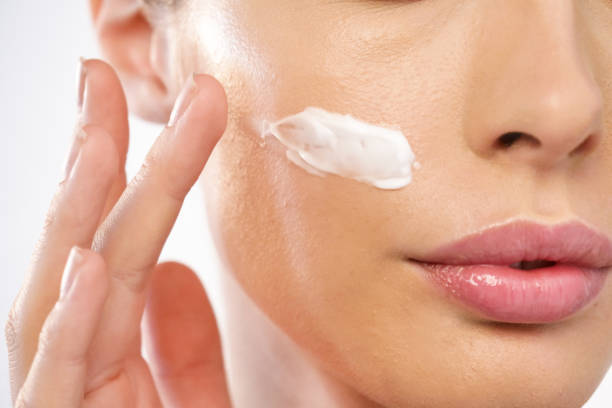
Use a gentle touch when applying products around the eye area and follow the specific instructions for each formula, particularly regarding where it should and shouldn’t be applied.
This is also worth remembering when applying concealer.
Heavy layers of makeup over dry or textured skin can sometimes draw more attention to the very features you’re trying to soften.
Preparing the skin with appropriate moisture and using lighter, carefully blended layers may create a fresher-looking finish than simply adding more coverage.
6. Look at Your Routine as a Whole
Your eyes don’t exist separately from the rest of your face.
If you’re caring carefully for the under-eye area but neglecting the surrounding facial skin, your routine may feel disconnected.
Think about the broader appearance you want: skin that looks hydrated, smoother, cared for, and naturally refreshed.
That may mean using facial skincare that addresses visible signs of aging more broadly rather than concentrating exclusively on one tiny area.
This whole-face perspective can also make your routine simpler.
Instead of reacting to every new line or change individually, you can build consistent habits around maintaining the overall appearance and feel of your skin.

Where Does Targeted Anti-Aging Skincare Fit In?
Once the everyday foundations are in place, you may decide you want to explore skincare specifically designed for the visible signs of aging.
This is where it helps to separate realistic skincare goals from exaggerated promises.
No cosmetic cream can literally turn back time. What skincare can do is become part of a consistent routine focused on the appearance, hydration, texture, and overall look of mature skin.
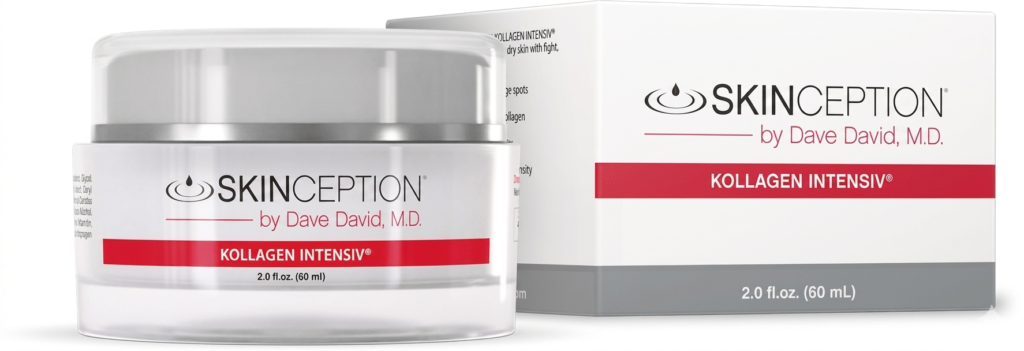
One product women researching this category may come across is Kollagen Intensiv, a topical skincare cream marketed toward people concerned about visible signs of skin aging.
If your concerns extend beyond just the under-eye area—for example, you’re also noticing changes in the appearance of fine lines, texture, or mature-looking facial skin—it may be worth learning how a product like Kollagen Intensiv is intended to fit into a skincare routine.
Before deciding whether any skincare product is right for you, look beyond the headline promises. Review the current product information, directions, ingredient details, and suitability for your individual skin.
The goal should be to make an informed choice that complements good daily skincare habits rather than expecting one product to replace them.

A Better Everyday Approach to Eyes That Look More Refreshed
Eye care after 50 doesn’t have to become complicated.
Gentler cleansing, consistent hydration, daily protection, thoughtful product application, and a less-is-more approach can create a stronger foundation for caring for mature-looking skin.
Most importantly, focus on consistency rather than constantly chasing the newest beauty trick.
If you’re already following the basics and still want to explore a more targeted approach to the visible signs of skin aging, the next logical step is to learn more about the skincare options available to you.
Curious whether Kollagen Intensiv could fit into your existing routine? Take a closer look at how it’s designed to be used, what it contains, and what to consider before deciding if it matches your skincare goals.
⭐⭐⭐⭐⭐ Trusted by 1000+ customers • 67-Day Money Back • 100% Guarantee