Small Everyday Habits May Be Affecting Your Under-Eye Skin More Than You Realize.

The surprising reason?
Sometimes, it is not about what you need to add to your routine. It is about the small mistakes you may need to stop making.
The eye area is different from much of the rest of your face. The skin is delicate, constantly moving when you blink or make facial expressions, and often one of the first places where dryness, fine lines, puffiness, and changes in texture become noticeable.
That means seemingly harmless habits—from rubbing your eyes to applying skincare too aggressively—can influence how refreshed and smooth the area appears.
The good news is that many of these habits are surprisingly easy to change.
Here are 10 eye area mistakes you can avoid starting today, including a few that many people never realize they are making.
Why Your Eye Area Deserves a Little Extra Attention
Before looking at the mistakes, it helps to understand why the eye area can be so revealing.
The skin surrounding the eyes is relatively thin and delicate. It also contains fewer oil glands than some other areas of the face, which can make moisture loss and dryness more noticeable.
At the same time, your eyes are constantly in motion.
Blinking, smiling, squinting, removing makeup, applying skincare, and even sleeping with your face pressed against a pillow can repeatedly affect this delicate area.
Natural changes in collagen and elastin over time can also influence firmness and elasticity.
This does not mean you need an elaborate 12-step eye routine.
In many cases, gentler habits, consistent sun protection, adequate hydration, and well-chosen skincare can make a bigger difference than constantly adding new products.
So, which everyday mistakes are worth reconsidering?
Rubbing Your Eyes More Often Than You Realize
Think about how many times you touch your eyes during an average day.
You may rub them when you are tired, remove an eyelash, wipe away makeup, or scratch an occasional itch without giving it much thought.
The problem is that repeated rubbing creates unnecessary friction on delicate skin.
Over time, aggressive pulling and rubbing may make temporary redness, irritation, or dryness more noticeable.
Try this instead
Treat the eye area as though you were handling delicate fabric.
When removing makeup, allow your cleanser or makeup remover a few moments to loosen the product before gently wiping it away.
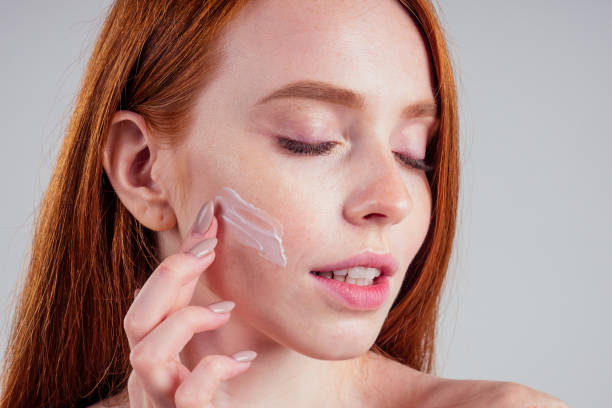
When applying skincare, use light tapping or smoothing motions rather than pulling the skin back and forth.
A simple rule helps:
If the skin is visibly stretching while you apply a product, you may be using more pressure than necessary.

Skipping Sunscreen Around the Eye Area
Many people carefully apply sunscreen to their forehead, cheeks, and nose but unintentionally avoid the entire eye contour.
That can leave an important area less protected.
Ultraviolet exposure contributes to visible skin aging and can affect collagen, elasticity, pigmentation, and texture over time.
Because changes around the eyes are often especially noticeable, daily sun protection is one of the most practical long-term habits you can adopt.
Make protection easier
Choose a broad-spectrum sunscreen you find comfortable enough to wear consistently.
Apply it carefully around the orbital area according to the product directions, avoiding direct contact with the eyes.
Sunglasses and a wide-brimmed hat can provide additional protection, especially on bright days.
And remember: UV exposure does not disappear simply because the weather is cool or cloudy.
Using Too Much Eye Product
More product does not automatically mean better results.
In fact, applying excessive amounts of rich skincare around the eyes can sometimes feel heavy, migrate toward the eyes, interfere with makeup, or contribute to irritation in sensitive individuals.
Most concentrated eye products require only a small amount.
A better approach
Start with less than you think you need.
Apply a thin, even layer and give the formula time to absorb before adding makeup or additional skincare.
Consistency usually matters more than quantity.
Skincare works through regular use—not by overwhelming the skin with as much product as possible.

Ignoring Dehydration and Dry-Looking Skin
Have you ever noticed that fine lines seem more obvious on certain days and softer on others?
One possible explanation is hydration.
When the outer layers of skin lack sufficient moisture, the surface can appear less plump, making fine lines and uneven texture look more noticeable.
This is one reason the eye area may suddenly appear more tired after travel, disrupted sleep, dry weather, air conditioning, or changes in your skincare routine.
Support moisture from both directions
Helpful habits may include:
- Using a gentle moisturizer suitable for your skin type
- Avoiding excessively harsh cleansers
- Drinking fluids regularly throughout the day
- Using a humidifier when indoor air is particularly dry
- Applying moisturizer while the skin is slightly damp to help retain hydration
Hydration will not erase established wrinkles, but properly moisturized skin often appears smoother, softer, and more refreshed.
Expecting One Product to Fix Every Eye Concern
This is one of the biggest skincare misconceptions.
Dark circles, puffiness, fine lines, dryness, and loss of firmness may all appear around the eyes—but they do not necessarily have the same underlying causes.
For example, the appearance of dark circles can be influenced by genetics, pigmentation, visible blood vessels, facial structure, shadows, allergies, or lifestyle factors.
Puffiness may fluctuate because of fluid retention, sleep, allergies, diet, or natural changes in the tissues around the eyes.
Fine lines may be influenced by facial movement, dryness, sun exposure, and age-related changes in collagen and elasticity.
That is why a realistic eye-care routine should focus on supporting the overall appearance and condition of the skin, rather than expecting one formula to solve every possible concern.

Forgetting About Collagen Support in Your Skincare Routine
Collagen is one of the structural proteins that helps give skin its firmness and supportive appearance.
As part of the natural aging process—and with cumulative environmental exposure—the skin’s collagen framework changes over time.
This can contribute to visible changes in firmness, texture, and fine lines.
While no topical cosmetic can simply replace all the collagen your skin has lost, a well-formulated skincare routine can help support hydration, improve the appearance of texture, and create a smoother, healthier-looking surface.
This is where targeted anti-aging skincare may be worth considering.
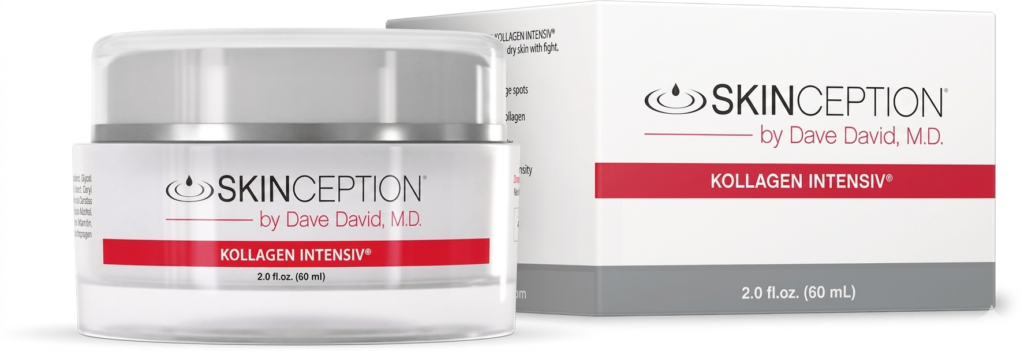
One option is Kollagen Intensiv, a topical skincare formula designed to support smoother, firmer, younger-looking skin.
Rather than viewing it as a miracle solution, it makes more sense to think of it as one potential part of a consistent routine—alongside sunscreen, gentle cleansing, moisturizing, good sleep habits, and avoiding unnecessary irritation.
For people particularly concerned about the visible appearance of fine lines and aging around the eye area, a targeted formula can provide an additional layer of skincare support when used consistently and as directed.
Curious about whether Kollagen Intensiv could fit into your routine? You can learn more about how the formula works, what it contains, and what you should consider before deciding whether it is right for your skincare goals.
The important point is not to chase instant transformation.
It is to build a routine your skin can actually benefit from consistently.

Being Too Aggressive When Removing Eye Makeup
Waterproof mascara and long-wear eyeliner are convenient—until it is time to remove them.
One of the most common mistakes is repeatedly scrubbing the eye area because makeup does not come off immediately.
This creates unnecessary friction.
Instead, use a remover designed for the type of makeup you wear.
Saturate a soft cotton pad, gently hold it against closed eyes for several seconds, and allow the remover to begin dissolving the makeup before wiping carefully.
You may be surprised by how much less rubbing is required.
Your goal should be simple:
Let the product do most of the work—not your fingers.
Overlooking How Sleep Can Affect the Appearance of Your Eyes
You can use excellent skincare and still wake up some mornings wondering why your eyes suddenly look more tired.
Sleep may be part of the explanation.
A restless or shortened night can temporarily influence how refreshed your face appears. For some people, tiredness makes shadows, puffiness, dryness, or dull-looking skin around the eyes seem more noticeable.
Your sleeping position may also play a role in morning puffiness. Fluid can temporarily accumulate around the eye area overnight, which is one reason your eyes may look different when you first wake up compared with later in the day.
Small changes may help
Try maintaining a consistent sleep schedule whenever possible and give yourself enough time for quality rest.
If morning puffiness is a recurring cosmetic concern, a cool compress for a few minutes may temporarily help the area look more refreshed.
The important thing is to look beyond your skincare cabinet.
Sometimes, what appears in the mirror reflects your daily habits just as much as the products you use.

Squinting Without Realizing How Often You Do It
Squinting is a completely normal facial movement.
But if you constantly squint because of bright sunlight or difficulty seeing clearly, you may be repeatedly contracting the muscles around your eyes without realizing it.
Over time, repeated facial expressions can contribute to the appearance of expression lines.
This does not mean you should try to keep your face perfectly still.
Instead, address unnecessary squinting when possible.
Wear sunglasses in bright conditions, avoid staring directly into harsh light, and consider having your vision checked if you regularly find yourself squinting to read signs, screens, or small text.
Sometimes, one of the smartest beauty habits has nothing to do with applying another skincare product.

Constantly Changing Your Eye-Care Routine
A new serum appears online.
Then an eye cream goes viral.
A week later, another ingredient promises to become the next skincare essential.
It is tempting to keep switching.
However, constantly introducing new formulas makes it difficult to determine what actually works well for your skin. It may also increase the likelihood of irritation, particularly when multiple active ingredients are layered together.
A simpler approach is often more sustainable.
Choose a gentle routine based on your main concerns, introduce new products gradually, follow the directions carefully, and give appropriate products enough time to evaluate how your skin responds.
Whether you use a basic moisturizer or incorporate targeted skincare such as Kollagen Intensiv, consistency is generally more useful than chasing every new beauty trend.
Forgetting That Your Daily Habits Work Together
The final mistake may be the easiest to overlook:
Focusing on one tiny part of your routine while ignoring the bigger picture.
The appearance of your eye area can be influenced by multiple factors, including:
- Sun exposure
- Skin hydration
- Sleep quality
- Genetics and natural facial structure
- Allergies and irritation
- Makeup-removal habits
- Skincare consistency
- Repeated facial movements
- Natural age-related skin changes
No single habit controls everything.
That is actually encouraging because it means you have multiple opportunities to support healthier-looking skin.
You do not need perfection.
You need a collection of small, sensible habits you can realistically maintain.
Myth vs Fact: What Really Matters for Younger-Looking Eyes?

Myth: Expensive eye products always work better
Fact: Price alone does not determine whether a skincare product is appropriate or effective for your needs.
Ingredients, formulation, consistency of use, and how well your skin tolerates the product matter more than a luxury price tag.
Myth: Drinking more water will erase under-eye wrinkles
Fact: Staying adequately hydrated supports normal body and skin function, but drinking extra water will not erase established wrinkles.
However, dry or dehydrated-looking skin can make fine lines appear more noticeable, so maintaining good hydration and using appropriate moisturizers may help the surface look smoother.
Myth: Dark circles always mean you are not sleeping enough
Fact: Lack of sleep can make tired-looking eyes more noticeable, but dark circles can have many contributing factors.
Genetics, pigmentation, facial anatomy, allergies, visible blood vessels, age-related changes, and shadows can all influence their appearance.
Myth: You need a complicated routine to care for aging skin
Fact: More products do not necessarily produce better results.
For many people, a thoughtful routine built around gentle cleansing, moisturizing, sun protection, targeted skincare, and consistent healthy habits is a much more practical strategy.
Frequently Asked Questions About Eye Area Care

What is the biggest mistake people make with the skin around their eyes?
One of the most common mistakes is treating delicate eye-area skin too aggressively.
Frequent rubbing, tugging during makeup removal, over-exfoliating, or applying too many potentially irritating products can leave the area looking dry or uncomfortable.
Gentle, consistent care is usually a better approach.
Can eye-area fine lines look worse when skin is dry?
Yes.
When skin lacks moisture, its surface may appear less plump, which can make fine lines and texture look more noticeable.
Using an appropriate moisturizer can help support the skin barrier and create a smoother, more hydrated appearance, although moisturization does not permanently remove established wrinkles.

How can I make my eyes look more refreshed naturally?
Start with the basics.
Prioritize consistent sleep, gentle skincare, daily sun protection, adequate hydration, and careful makeup removal.
If puffiness is temporary, a cool compress may also help create a more refreshed appearance.
The best approach depends on what is actually contributing to the tired look.
Should I use anti-aging skincare around my eyes?
It depends on the product and your individual skin.
Some formulas designed to support hydration, smoother-looking texture, and firmness may complement an eye-area routine. However, always follow the manufacturer’s directions regarding where a product should be applied and avoid getting skincare directly into the eyes.
Products such as Kollagen Intensiv may be worth exploring if your broader goal is supporting smoother, firmer, healthier-looking skin as part of a consistent anti-aging routine.

How long does it take to notice a difference from a skincare routine?
Some cosmetic benefits, such as improved hydration, may become noticeable relatively quickly.
Changes in the appearance of texture and fine lines generally require more patience and consistent use.
Results vary depending on the product, ingredients, your skin, and the concern being addressed.
Instead of judging a routine after only a few days, follow product directions and evaluate how your skin responds over an appropriate period.

Can lifestyle habits really affect how old my eyes look?
They can influence appearance, although aging is affected by many factors you cannot completely control.
Sun exposure, sleep, smoking, environmental stressors, skincare habits, and repeated irritation can all influence how skin looks over time.
Genetics and natural aging also play major roles.
The goal is not to stop aging.
It is to support your skin as well as you reasonably can.

Key Takeaways: Small Changes Can Make a Visible Difference
If you remember only a few things from these 10 eye area mistakes you can avoid starting today, make them these:
- Be gentle when touching, cleansing, and removing makeup around your eyes.
- Do not overlook daily sun protection.
- Keep delicate skin properly moisturized instead of assuming every visible line needs an aggressive treatment.
- Consider sleep, allergies, hydration, and lifestyle habits when your eyes suddenly look tired or puffy.
- Avoid constantly switching products before you know how your skin responds.
- Remember that dark circles, puffiness, and fine lines can have different causes.
- Choose targeted skincare based on realistic goals rather than miracle promises.
- Focus on consistency—because small habits repeated every day can matter more than occasional intensive treatments.
Most importantly, do not judge your entire eye-care routine by one morning in the mirror.
Skin naturally changes from day to day.
Look at patterns over time.

Your Eye-Care Routine Does Not Need to Be Complicated
It is easy to believe that younger-looking eyes require more products, more complicated routines, and more expensive treatments.
Often, the smarter strategy is simpler.
Protect your skin from excessive sun exposure.
Keep it moisturized.
Remove makeup gently.
Pay attention to sleep and lifestyle habits.
Stop unnecessarily rubbing and pulling delicate skin.
And when you choose targeted anti-aging skincare, look for something that fits logically into those healthy habits rather than expecting one product to do everything.
If fine lines, texture, and loss of firmness are among your primary cosmetic concerns, Kollagen Intensiv may be one option worth learning more about as part of a broader skincare routine designed to support smoother, healthier-looking skin.
Take a few minutes to explore how the formula works, review its ingredients and product information, and decide for yourself whether it aligns with your skincare goals.
You do not have to change everything today.
Start by choosing one eye area mistake from this list that you recognize in your own routine and change that habit first.
Then save this guide so you can come back to it as you gradually improve the rest of your routine.
Because when it comes to caring for the delicate skin around your eyes, the most valuable question may not be:
“What else should I buy?”
It may be:
“What small thing can I start doing differently today?”
That is often where a better skincare routine begins.
⭐⭐⭐⭐⭐ Trusted by Thousands of Happy Customers • 67-Day Money-Back Guarantee