Small everyday habits may be making your eye area look more tired, dry, or aged than it needs to—and a few simple changes can make a noticeable difference.
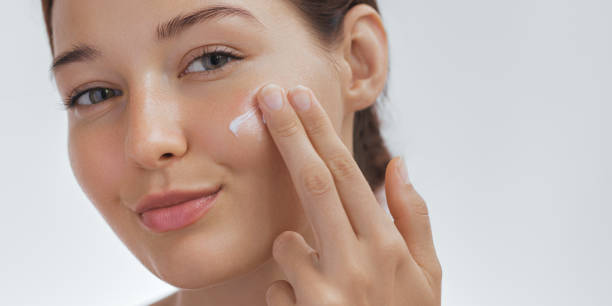
The skin around your eyes can reveal more about your daily habits than you might realise.
You may have a carefully planned skincare routine, use expensive products, and never skip moisturiser—yet still notice that your under-eyes look dry, puffy, shadowed, or less smooth on certain days.
Why?
Sometimes, the problem isn’t what you’re not doing. It’s the small things you do every day without realising how they affect the delicate eye area.
The skin surrounding the eyes is naturally thinner and more delicate than skin on many other parts of the face. It also deals with constant movement from blinking, smiling, squinting, and facial expressions.
That means seemingly harmless habits can become more noticeable over time.
If you want your eyes to look brighter, smoother, and more refreshed, here are 10 eye area mistakes you can avoid starting today—including several that are surprisingly easy to overlook.
Why Your Eye Area Deserves Special Attention
Your eye area has some unique challenges.
Because the skin is delicate, changes in hydration, sleep, sun exposure, and everyday skincare habits can quickly affect its appearance. Fine lines may become more visible when skin is dry, while puffiness and shadows can make the entire face appear tired.
Genetics and natural ageing also play important roles, so no skincare routine can control everything.
However, improving the factors you can control may help support healthier-looking skin and prevent unnecessary stress on this delicate area.
Rubbing Your Eyes More Than You Realize
Rubbing tired or itchy eyes may feel harmless, but repeated friction can tug at delicate skin.
This often happens unconsciously when you’re tired, removing makeup, dealing with seasonal irritation, or spending long periods looking at screens.
Instead of rubbing, gently press or pat the area when necessary.
When removing eye makeup, allow your cleanser or remover time to dissolve the product before wiping it away. Less pulling means less unnecessary friction.
Quick tip: If you regularly feel the urge to rub your eyes because they’re persistently itchy or irritated, consider addressing the underlying cause rather than repeatedly rubbing the skin.

Applying Too Much Pressure During Skincare
More pressure doesn’t make skincare products work better.
One of the most common eye area mistakes is aggressively massaging, dragging, or stretching the skin while applying creams and serums.
A gentler technique is usually better.
Use a small amount of product and lightly tap or smooth it around the orbital area with clean fingers, following the directions for the specific product you’re using.
Remember: skincare should support your skin—not turn application into a tug-of-war.
Forgetting Daily Sun Protection Around the Eyes
You probably already know that sun exposure affects visible skin ageing.
But are you consistently protecting the area around your eyes?
UV exposure contributes to changes in collagen and elastin—the structural proteins associated with skin firmness and elasticity. Over time, cumulative sun exposure can contribute to fine lines, uneven pigmentation, and changes in skin texture.
A broad-spectrum sunscreen suitable for your skin should be part of your morning routine.
Sunglasses can provide another practical benefit: they reduce direct sun exposure around the eyes and may help you squint less in bright conditions.
That makes them more than a fashion accessory.

Treating Every Under-Eye Concern the Same Way
Dark circles, puffiness, dryness, and fine lines may appear in the same small area, but they don’t necessarily have the same cause.
For example, the appearance of dark circles can be influenced by factors such as the following:
- Genetics
- Natural facial anatomy and shadows
- Pigmentation
- Thin or translucent-looking skin
- Sleep and lifestyle patterns
Puffiness, meanwhile, may fluctuate with sleep, allergies, fluid retention, and other individual factors.
This is why buying a random “eye solution” without understanding what you’re trying to improve can lead to disappointment.
Better approach: Identify your main visible concern first. Then choose habits and skincare products that realistically address that concern.
Ignoring Hydration Until Fine Lines Look More Obvious
Have you ever noticed that your eye area suddenly seems more lined on some days?
Dryness may be part of the reason.
When skin lacks sufficient moisture, fine surface lines can appear more noticeable. Supporting the skin barrier with appropriate hydration can help the area look smoother and more comfortable.
Look for moisturising ingredients commonly used to support hydration and barrier function, and avoid assuming that stronger or more complicated formulas are automatically better.
Consistency usually matters more than having ten different products.

Using Harsh Products Too Close to Your Eyes
A product that works beautifully on your cheeks or forehead may not be ideal directly around your eyes.
Strong exfoliating acids, retinoids, fragranced formulas, and other active ingredients can sometimes cause irritation when used incorrectly or too close to sensitive areas.
Always follow product instructions carefully.
Introduce potent skincare gradually when appropriate, and stop using a product if you experience persistent burning, swelling, or significant irritation.
The goal isn’t to use the strongest routine possible.
It’s to build a routine your skin can comfortably tolerate.

Overlooking the Role of Collagen in Skin Appearance
Collagen is one of the major structural proteins in the skin and contributes to its firmness and support.
As part of the natural ageing process, collagen production changes over time. Environmental factors—particularly cumulative UV exposure—can also contribute to visible changes associated with skin ageing.
This doesn’t mean a cream can simply replace all lost collagen.
That’s an important distinction.
However, a well-formulated skincare routine can support hydration, improve the appearance of skin texture, and help create a smoother, healthier-looking surface.
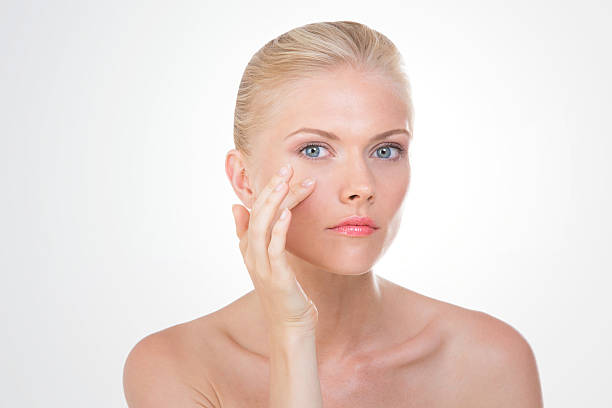
Where Kollagen Intensiv May Fit Into a Skincare Routine
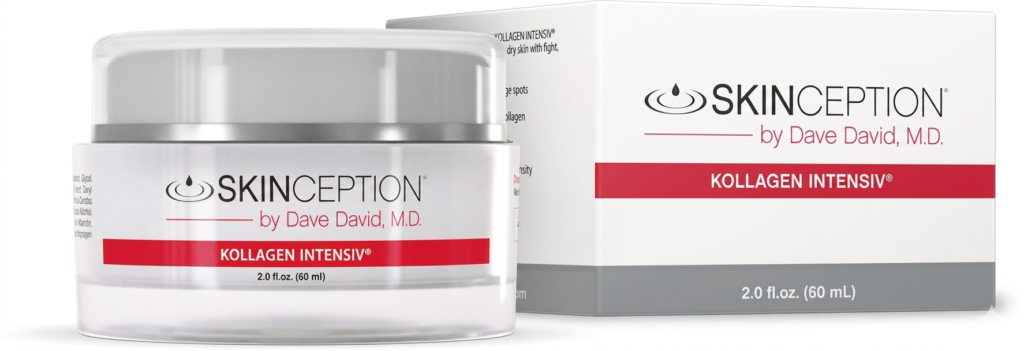
For people exploring skincare designed with the appearance of ageing skin in mind, Kollagen Intensiv may be one option worth researching.
Rather than thinking of any topical product as an instant fix for wrinkles or under-eye concerns, it’s more realistic to view it as part of a broader routine that includes moisturising, sun protection, gentle skincare habits, adequate sleep, and consistency.
The eye area often responds best to this bigger-picture approach.
If you’re curious about how Kollagen Intensiv is designed to fit into an age-supportive skincare routine, you can learn more about the formula, ingredients, and recommended use before deciding whether it suits your needs.
A good skincare decision should begin with information—not hype.
Sleeping in Makeup—or Removing It Too Aggressively
We’ve all had nights when washing our face feels like one task too many.
But regularly sleeping in makeup can leave cosmetics, oils, and environmental debris sitting on the skin longer than necessary.
The opposite extreme isn’t helpful either.
Scrubbing waterproof mascara off aggressively can create unnecessary friction around delicate skin.
A better routine is simple:
- Use an appropriate makeup remover or gentle cleanser.
- Give stubborn eye makeup time to dissolve.
- Avoid repeated hard wiping.
- Pat the skin dry rather than rubbing it.
- Follow with appropriate moisturising skincare.
Think gentle and thorough, rather than fast and forceful.

Assuming More Eye Cream Means Better Results
If a little skincare is good, twice as much must be better—right?
Not necessarily.
Using excessive amounts of eye products can waste product and, depending on the formula, may contribute to discomfort or irritation.
Follow the manufacturer’s application instructions rather than piling on extra layers.
The same principle applies to frequency.
Using a product consistently as directed is generally more sensible than applying excessive amounts in hopes of speeding up visible results.
Underestimating Sleep and Everyday Lifestyle Habits
No eye cream can completely compensate for every lifestyle factor.
Poor-quality sleep can make tired-looking eyes more noticeable. High stress, inconsistent hydration habits, alcohol consumption, smoking, and dietary patterns may also influence how refreshed your skin appears.
You don’t need a perfect lifestyle to have good skin.
Instead, focus on realistic habits:
- Maintain a reasonably consistent sleep schedule.
- Eat a varied, nutrient-rich diet.
- Stay appropriately hydrated.
- Protect your skin from excessive sun exposure.
- Avoid smoking.
- Build a simple skincare routine you can actually maintain.
Small habits repeated consistently often matter more than occasional “perfect” skincare days.

Expecting Overnight Transformation
Perhaps the biggest eye area mistake is expecting dramatic results immediately.
Skin appearance changes for many reasons, and most skincare products require consistent use before you can fairly judge their cosmetic benefits.
Take occasional photos in similar lighting rather than checking the mirror multiple times a day.
This gives you a more objective way to notice subtle changes in hydration, smoothness, and overall appearance.
And remember: some characteristics—particularly genetically influenced dark circles, facial anatomy, and natural ageing—cannot simply be erased with skincare.
Realistic expectations make it much easier to build a routine that works for you.

Myth vs Fact: Eye-Area Skincare
Myth: Dark circles always mean you’re not getting enough sleep.
Fact: Sleep can influence how tired your eyes appear, but dark circles may also be related to genetics, pigmentation, thin-looking skin, facial structure, and shadows.
Myth: The stronger an eye product feels, the better it’s working.
Fact: Burning or significant irritation isn’t proof of effectiveness. Gentle, consistent skincare is often more appropriate for delicate areas.
Myth: Expensive skincare automatically produces better results.
Fact: Price alone doesn’t determine whether a product suits your skin. Ingredients, formulation, correct use, consistency, and realistic expectations matter.
Myth: One cream can permanently erase every wrinkle.
Fact: Topical skincare can improve hydration and the appearance of texture and fine lines, but natural ageing is a complex biological process.
Frequently Asked Questions

What are the most common eye area mistakes?
Common mistakes include rubbing the eyes, using excessive pressure during skincare, skipping sun protection, applying irritating products incorrectly, removing makeup aggressively, and expecting instant results.
Can dehydration make under-eye lines look worse?
Dry or dehydrated-looking skin can make fine surface lines appear more noticeable. A suitable moisturiser and consistent skincare routine may help the area look smoother and more hydrated.
Should I use regular facial moisturiser around my eyes?
Some facial moisturisers can be used around the eye area, while others contain ingredients that may not be suitable close to the eyes. Always check the product directions and avoid getting skincare directly into your eyes.

How long does eye-area skincare take to show results?
It depends on the product and what you’re trying to improve. Hydration may create relatively quick cosmetic improvements in how smooth skin looks, while other visible changes can require consistent use over weeks or longer.
Can skincare completely remove dark circles?
Not always. Dark circles can have multiple causes, including genetics, pigmentation, facial anatomy, shadows, and lifestyle factors. Skincare may improve certain contributing factors, but results vary depending on the underlying cause.
Is Kollagen Intensiv suitable for an anti-ageing skincare routine?
Kollagen Intensiv is positioned as a skincare option for people interested in supporting smoother, healthier-looking skin as part of an age-conscious routine. Whether it’s appropriate for you depends on your skin type, sensitivities, preferences, and how you use it alongside essentials such as moisturization and sun protection.

Key Takeaways
Your eye area doesn’t necessarily need a complicated routine.
It needs a thoughtful one.
Remember these essentials:
- Treat delicate eye-area skin gently.
- Avoid unnecessary rubbing, pulling, and aggressive makeup removal.
- Protect the area from daily UV exposure.
- Keep skin appropriately moisturised.
- Understand the likely cause of your specific concern before choosing products.
- Use active skincare carefully and according to directions.
- Support your routine with healthy everyday habits.
- Give skincare enough time before judging results.
- Keep expectations realistic.
- Choose products based on formulation and suitability—not hype.

Your Eye Area May Need Fewer “Fixes” and Better Habits
It’s easy to look in the mirror, notice fine lines, puffiness, or tired-looking eyes, and immediately assume you need another product.
Sometimes, a better first question is the following:
What could I stop doing today?
Less rubbing. Less aggressive cleansing. Less unprotected sun exposure. Less product overload.
Then focus on what your skin actually needs—gentle care, hydration, protection, consistency, and thoughtfully selected skincare.
If you’re exploring products designed to support the appearance of smoother, healthier-looking skin, Kollagen Intensiv may be worth learning more about as one potential part of your routine. Review the ingredients, directions, and product information so you can decide for yourself whether it aligns with your skincare goals.
The most effective beauty routine isn’t necessarily the one with the most products.
It’s the one that replaces avoidable mistakes with small, smart habits you can consistently follow—and your eye area may thank you for those changes every time you look in the mirror.
⭐⭐⭐⭐⭐ Trusted by Thousands of Happy Customers • 67-Day Money-Back Guarantee