Subtle shifts in texture, hydration, and appearance can change how refreshed your eyes look long before you realise what is happening.

It can be difficult to pinpoint exactly what changed.
Maybe concealer no longer sits as smoothly as it once did. Perhaps the skin beneath your eyes looks slightly less plump in certain lighting. Fine lines may seem more noticeable by the end of the day, or shadows that used to disappear after a good night’s rest seem to linger.
These changes rarely happen overnight.
Instead, the under-eye changes that often go unnoticed tend to develop gradually, which is exactly why they can be so easy to miss.
The eye area is influenced by much more than wrinkles alone. Hydration, collagen support, skin texture, facial structure, sun exposure, sleep habits, and even the way light falls across the face can all affect how refreshed—or tired—the eyes appear.
Understanding these subtle changes can make it much easier to care for this delicate area before they become more noticeable.
Why Subtle Under-Eye Changes Matter
The skin around the eyes has unique characteristics that make small changes easier to see.
It is relatively thin and delicate compared with skin on many other areas of the face. Because of this, changes in moisture, elasticity, texture, and underlying volume may become visible sooner around the eyes.
You might notice:
- Fine lines appearing more obvious when smiling
- Concealer settling differently than it used to
- Increased dryness or a crepey-looking texture
- Shadows becoming more noticeable in certain lighting
- A slightly less firm or smooth appearance
- Morning puffiness taking longer to disappear
Individually, these changes may seem minor.
Together, however, they can influence the overall appearance of the eye area.
This is one reason someone can feel that they suddenly look more tired or older without being able to identify one dramatic change.
Often, it is the accumulation of several subtle shifts.

What Changes Under the Eyes as Skin Ages?
One of the most important factors is the gradual change in the skin’s natural support structure.
Collagen is a structural protein that helps give skin its firmness and resilience. As we age, the skin’s collagen production naturally declines. At the same time, environmental factors such as ultraviolet exposure can contribute to visible changes in skin texture and elasticity.
This does not mean that every fine line is simply a “collagen problem”.
The appearance of the under-eye area is much more complex.
Several factors may be involved at the same time, including:
- Natural collagen changes
- Reduced moisture retention
- Repeated facial expressions
- Cumulative sun exposure
- Changes in facial volume
- Genetics
- Lifestyle habits
Understanding this combination is important because focusing on only one visible concern may overlook what the skin actually needs.
Dehydration Can Make Small Changes Look Bigger
One of the easiest under-eye changes to underestimate is dehydration.
When the skin lacks sufficient moisture, fine lines and uneven texture can appear more pronounced. Makeup may also cling to dry areas, making texture that was previously barely noticeable suddenly stand out.
This is particularly common around the eyes because the area can be more vulnerable to dryness.
Hydration can influence how smooth and plump the skin appears, which is why a consistent moisturising routine can make such a noticeable cosmetic difference.
Look for skincare that supports the skin barrier and helps maintain moisture rather than relying only on products designed to create an immediate tightening sensation.
A temporary cosmetic effect can be appealing, but long-term consistency usually matters more.
Why Lighting Can Suddenly Change What You See
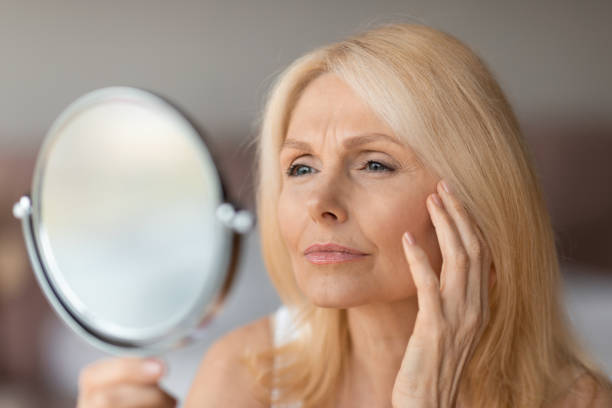
Have you ever thought your under-eyes looked perfectly fine in one mirror and dramatically different in another?
Lighting may be partly responsible.
Overhead lighting creates shadows beneath natural facial contours. As subtle changes occur in the skin or underlying facial structure, these shadows may become more noticeable.
This can make:
- Tear troughs appear deeper
- Puffiness look more prominent
- Dark circles seem darker
- Fine lines appear sharper
That does not necessarily mean the skin changed dramatically overnight.
Sometimes you are simply seeing gradual changes under less forgiving lighting.
This is also why judging your skin from one mirror, one photograph, or one harsh bathroom light can be misleading.
Natural daylight usually provides a more balanced view of how your skin actually looks.
Common Mistakes That Can Make the Eye Area Look Less Refreshed
Some everyday habits may unintentionally emphasise the very changes people are trying to minimise.
Applying Too Much Concealer
More concealer does not always create a smoother appearance.
Heavy layers can settle into fine lines and highlight texture, particularly if the under-eye area is dry.
Instead, try applying a thin layer only where discolouration is most noticeable and blend gently.
Skipping Daily Sun Protection
Sun protection is often associated with the forehead, cheeks, and nose, while the eye area receives less attention.
However, cumulative UV exposure can contribute to visible skin ageing.
A broad-spectrum sunscreen suitable for your skin, combined with sunglasses and shade when appropriate, can help protect this delicate area.
Rubbing the Eyes
Frequent rubbing can irritate delicate skin and temporarily increase redness or puffiness.
If itchy or watery eyes are a recurring problem, addressing the underlying trigger may be more helpful than repeatedly rubbing the area.
Constantly Switching Products
Skincare routines often fail because people expect dramatic results too quickly.
A product is used for a few days, abandoned, and replaced with something else.
Unless irritation occurs, consistency is generally more useful than constantly chasing the newest trend.
Lifestyle Factors That Quietly Influence Under-Eye Appearance
Skincare matters, but it is only part of the picture.
The appearance of the eye area can also fluctuate according to everyday lifestyle factors.
Sleep and Fluid Retention
A poor night’s sleep can make the eyes appear less refreshed, but sleep is not the only factor involved.
Fluid distribution can contribute to temporary morning puffiness, particularly after lying down for several hours.
For many people, this improves naturally after getting up and moving around.
Diet and Hydration
No single food will magically erase under-eye concerns.
However, overall nutrition and adequate hydration support normal skin function.
A balanced diet containing protein, fruits, vegetables, healthy fats, and a variety of nutrients provides the body with building blocks involved in maintaining healthy skin.
Screen Time and Eye Strain
Long periods of screen use do not directly create wrinkles overnight, but they may encourage behaviours that affect how the eye area looks.
Squinting, rubbing tired eyes, staying awake later than intended, and spending long periods indoors can all become part of the bigger picture.
Small habits add up.

Why So Many People Overlook These Changes
The biggest reason under-eye changes often go unnoticed is simple: you see your own face every day.
Gradual changes are difficult to detect when they happen slowly.
You may not notice slightly drier skin from one week to the next.
You may not recognise a subtle change in texture over several months.
Instead, there is often a moment when something suddenly draws attention to it—a photograph, different lighting, makeup sitting differently, or a comment about looking tired.
That is when people often begin searching for a quick solution.
However, the better approach may be to look at the entire eye-area routine rather than chasing one isolated symptom.
A Smarter Approach to Supporting Healthier-Looking Under-Eye Skin
A practical routine does not need to contain ten different products.
For many people, the fundamentals matter most:
- Cleanse gently without aggressively rubbing the eye area
- Maintain consistent hydration
- Use daily sun protection
- Wear sunglasses when appropriate
- Avoid pulling or tugging unnecessarily at delicate skin
- Choose skincare based on long-term support rather than instant promises
- Give suitable products enough time to evaluate how your skin responds
This is also where collagen-supporting skincare often enters the conversation.
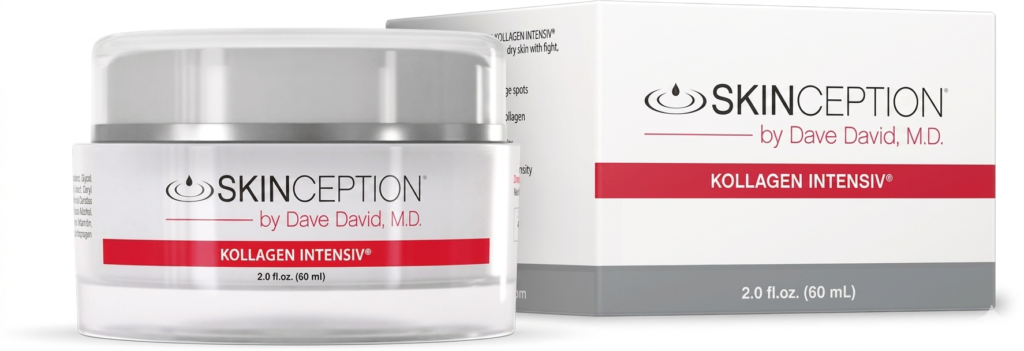
One option readers exploring this category may come across is Kollagen Intensiv, a topical skincare formula designed with the goal of supporting smoother, healthier-looking skin and improving the appearance of visible signs of ageing.
For the eye area, the important distinction is realistic expectations.
No topical cream can permanently change facial anatomy or make every type of dark circle, puffiness, or under-eye hollow disappear. However, a well-formulated skincare product may help support hydration and improve the appearance of dryness, fine lines, and overall skin texture with consistent use.
That makes products such as Kollagen Intensiv most useful as one part of a broader skincare routine, rather than as a miracle solution.
The goal is not to make your face look completely different.
It is to support skin that looks smoother, more hydrated, and naturally refreshed.
If you have started noticing subtle changes around your eyes and want to explore a skincare option focused on supporting healthier-looking, more youthful-looking skin, you can learn more about Kollagen Intensiv, its ingredients, how it is designed to work, and whether it fits your routine before deciding if it is right for you.
The most important thing to remember is that visible under-eye ageing rarely comes down to one cause—and understanding what is actually changing is often the first step toward choosing a smarter solution.
Practical Ways to Support the Under-Eye Area Starting Today
Once you understand that under-eye appearance is influenced by several overlapping factors, caring for the area becomes much simpler.
You do not necessarily need a complicated routine.
Instead, focus on habits that support the skin consistently.
Apply Skincare Gently
The under-eye area does not need aggressive rubbing or pulling.
When applying moisturiser or other skincare products, use a light touch and allow the formula to absorb naturally.
The same principle applies when removing makeup.
Rather than repeatedly scrubbing stubborn mascara or concealer, use an appropriate makeup remover and give it time to dissolve the product before gently wiping it away.
Keep Hydration Consistent
If your under-eyes sometimes look smooth and other times appear much more lined, hydration may be contributing to the difference.
A moisturiser that helps support the skin barrier can improve the appearance of dryness and temporarily make fine dehydration lines look less noticeable.
Consistency matters more than applying an excessive amount at once.

Protect the Area From Daily Sun Exposure
One of the most practical long-term beauty habits is also one of the simplest: protect your skin from excessive UV exposure.
Broad-spectrum sunscreen, sunglasses, and shade can all play a role.
Sunglasses have an additional advantage—they may reduce how often you squint in bright sunlight.
These habits may seem small today, but skincare is often about what you do repeatedly over time.
Pay Attention to Patterns
Instead of judging your under-eyes based on one bad morning, watch for patterns.
Ask yourself:
- Do they look puffier after certain meals?
- Does texture become more noticeable when your skin feels dry?
- Does concealer make fine lines look worse?
- Are shadows dramatically different depending on lighting?
- Do your eyes look more tired after several late nights?
These observations can help you distinguish temporary fluctuations from gradual skin changes.
You may even want to save this article and revisit the checklist after observing your eye area for a few weeks.
Myth vs Fact: What Really Affects Under-Eye Appearance?
There is no shortage of beauty advice surrounding tired-looking eyes, fine lines, and dark circles.
Unfortunately, some common assumptions oversimplify what is actually happening.
Myth: Dark Circles Always Mean You Need More Sleep
Fact: Sleep can influence how refreshed you look, but dark circles may have several possible causes.
Genetics, pigmentation, visible blood vessels beneath thin skin, facial structure, allergies, and shadows created by under-eye contours can all influence their appearance.
That explains why someone can sleep well and still have noticeable dark circles.
Myth: Every Under-Eye Line Is a Permanent Wrinkle
Fact: Some lines may appear more noticeable when the skin is dry.
Expression lines, dehydration-related texture, and more established wrinkles can look similar at first glance.
Supporting hydration may soften the appearance of some fine lines, although it cannot eliminate every type of wrinkle.

Myth: Expensive Skincare Automatically Works Better
Fact: Price alone does not determine whether a product is suitable for your skin.
Ingredients, formulation, consistency of use, sun protection, and realistic expectations matter far more than an impressive price tag.
This is why researching a product before buying it is worthwhile.
Myth: One Product Can Fix Every Under-Eye Concern
Fact: Different concerns can have different causes.
A moisturizer may improve the appearance of dry, crepey texture but cannot fundamentally change inherited facial structure. Likewise, skincare designed to support smoother-looking skin will not necessarily eliminate puffiness caused by temporary fluid retention.
The best results usually come from matching your routine to what you are actually seeing.
Frequently Asked Questions About Under-Eye Changes

What are the first signs of changes around the eyes?
Early changes may include increased dryness, fine lines becoming more noticeable when smiling, subtle texture changes, concealer settling differently, or shadows appearing more prominent.
Because these changes often develop gradually, many people do not notice them immediately.
Why do my under-eyes suddenly look older?
They may not have changed as suddenly as they appear.
Changes in lighting, hydration, sleep, makeup, sun exposure, and natural skin aging can make previously subtle features more noticeable.
If you see an unexpected or significant change that persists or causes concern, consider speaking with a qualified healthcare professional.
Can moisturizing improve the appearance of under-eye lines?
Moisturizing can help improve hydration and make dry skin appear smoother and more supple.
This may temporarily reduce the visibility of fine lines associated with dryness.
However, moisturizers cannot permanently remove established wrinkles or alter underlying facial anatomy.
What ingredients should I look for in under-eye skincare?
Rather than searching for one supposed miracle ingredient, look for formulas that support hydration, moisture retention, and healthier-looking skin.
Depending on your individual skin needs, ingredients commonly found in anti-aging skincare may include peptides, antioxidants, humectants, and moisturizing agents.
The overall formulation—and how consistently you use it—is important.
How long should I give a skincare product before deciding if it works?
Some hydration benefits may be noticeable relatively quickly, while visible changes in texture or the appearance of fine lines generally require more patience.
Follow the product directions and evaluate changes over time rather than expecting an overnight transformation.
If irritation develops, discontinue use and seek appropriate advice if needed.
Can Kollagen Intensiv be used as part of an anti-aging skincare routine?
Kollagen Intensiv is designed to support smoother, healthier-looking skin and may fit into a broader skincare routine focused on hydration and the visible signs of aging.
Individual results can vary, so it is worth reviewing the ingredients and directions carefully to determine whether the formula suits your skin and routine.
Key Takeaways
The under-eye changes that often go unnoticed are usually not caused by one single factor.
Instead, what you see in the mirror can reflect a combination of skin changes, lifestyle habits, genetics, hydration, environmental exposure, and facial structure.
Remember:
- Under-eye changes often develop gradually.
- Dryness can make fine lines and texture appear more noticeable.
- Dark circles are not always caused by lack of sleep.
- Lighting can dramatically change the appearance of shadows and hollows.
- Daily sun protection is an important part of long-term skincare.
- Gentle, consistent skincare is usually more useful than constantly switching products.
- Collagen-supporting and moisturizing skincare may help improve the appearance of smoother, healthier-looking skin.
- No single cream can address every possible cause of under-eye aging.
Most importantly, pay attention to patterns rather than chasing every small change you notice in the mirror.
The Small Changes Are Often the Ones Worth Noticing
It is easy to focus on obvious wrinkles when thinking about skin aging.
Yet some of the earliest differences around the eyes can be much more subtle.
A little extra dryness.
Makeup that suddenly settles differently.
A shadow that seems deeper under overhead lighting.
Fine texture that becomes noticeable at the end of the day.
Individually, these details may seem insignificant. Together, they can change how rested and refreshed the entire face appears.
Recognizing these changes does not mean you need to become overly critical of your appearance.
Quite the opposite.
Understanding the under-eye changes that often go unnoticed allows you to make more informed decisions instead of reacting to every new beauty trend or miracle claim.
Start with the fundamentals: gentle skincare, consistent hydration, daily sun protection, healthy lifestyle habits, and realistic expectations.
Then, if you want additional support for the visible signs of skin aging, consider products based on what they are designed to do—not on exaggerated promises.
For readers interested in adding a collagen-focused skincare product to their routine, Kollagen Intensiv may be worth exploring as an option for supporting smoother, more hydrated, healthier-looking skin and improving the appearance of visible signs of aging.
If you would like to see the full ingredient information, learn how Kollagen Intensiv works, and decide whether it makes sense for your skincare routine, click the affiliate link to learn more before making your decision.
You do not need to chase every tiny change you see in the mirror.
Sometimes, the smartest beauty strategy is simply learning what your skin is telling you—and giving it consistent support before those subtle changes become harder to ignore.
⭐⭐⭐⭐⭐ Trusted by Thousands of Happy Customers • 67-Day Money-Back Guarantee