The right eye cream can support healthier-looking skin—but only if you know what to look for before adding one to your routine.
The skincare aisle is packed with eye creams promising brighter, smoother, younger-looking eyes. Some claim to reduce puffiness overnight, while others advertise dramatic improvements in fine lines and dark circles. With so many choices, it’s easy to assume that a higher price tag or attractive packaging means better results.
The truth is, buying an eye cream without asking the right questions can lead to disappointment. Not every formula is designed for every concern, and even the best products work differently depending on your skin, lifestyle, and expectations.
Before spending money on another jar or tube, it’s worth taking a closer look at what really matters. The following questions can help you choose an eye cream that’s better suited to your needs—and avoid common mistakes that many shoppers make.
Why Choosing the Right Eye Cream Matters
The skin around your eyes is naturally thinner and more delicate than the rest of your face. Because of this, it often shows signs of aging, dehydration, and fatigue earlier than other areas.
Common concerns include:
- Fine lines
- Crow’s feet
- Puffiness
- Dark circles
- Dryness
- Loss of firmness
While no skincare product can stop aging, choosing an appropriate eye cream may help support hydration, improve the appearance of the skin, and create a smoother, more refreshed look over time.

1. What Is My Biggest Eye Area Concern?
Not every eye cream is designed to solve the same problem.
Some formulas focus on hydration, while others are developed to improve the appearance of puffiness or brighten tired-looking skin.
Ask yourself whether your main concern is
- Dryness
- Fine lines
- Dark circles
- Puffiness
- Loss of firmness
- A combination of several concerns
Knowing your primary goal makes it much easier to narrow your options.
2. Does the Ingredient List Match the Claims?
Marketing can be persuasive, but ingredients tell the real story.
Look for ingredients commonly associated with supporting healthy-looking skin, such as:
- Hyaluronic acid for hydration
- Peptides for supporting skin’s appearance
- Antioxidants like Vitamin C
- Niacinamide to improve overall skin appearance
- Ceramides to help maintain the skin barrier
A product that explains why its ingredients are included often inspires more confidence than one relying only on bold promises.
3. Is the Formula Suitable for Sensitive Skin?
The eye area is especially delicate.
Products containing heavy fragrances or unnecessarily harsh ingredients may not be suitable for everyone.
If your skin tends to react easily, look for gentle formulas that prioritize hydration and skin comfort.
Sometimes a simpler ingredient list can be the better choice.
4. Am I Expecting Too Much?
This is one of the biggest reasons people become disappointed with eye creams.
Even excellent skincare products have limitations.
An eye cream can help improve the appearance of skin, support moisture levels, and make fine lines look softer, but it won’t permanently erase wrinkles or completely eliminate every sign of aging.
Having realistic expectations often leads to greater satisfaction with your skincare routine.
Why Many People Overlook This Step
Many shoppers buy eye cream based on advertisements, social media recommendations, or attractive packaging.
What often gets overlooked is that lifestyle plays a major role in how the eye area looks every day.
Factors like:
- Sleep quality
- Daily hydration
- UV exposure
- Stress
- Nutrition
- Smoking
- Repeated rubbing of the eyes
can all influence the appearance of the delicate skin around your eyes.
Even the best skincare products work best when combined with healthy daily habits.
5. Does My Daily Routine Support My Eye Cream?
Applying eye cream takes only a few seconds, but the rest of your routine matters just as much.
Consider whether you’re also:
- Wearing sunscreen daily
- Removing makeup gently
- Staying hydrated
- Getting enough sleep
- Using a gentle facial cleanser
Healthy skincare habits often complement the benefits of topical products.
6. Does the Product Focus Only on the Surface?
Healthy-looking skin depends on more than what you apply externally.
While eye creams work on the surface, many people also explore ways to support skin from within through a balanced diet, adequate hydration, and nutrients involved in normal collagen formation.
This broader approach often helps create a more consistent skincare routine instead of relying on one product alone.
A Holistic Option Worth Considering
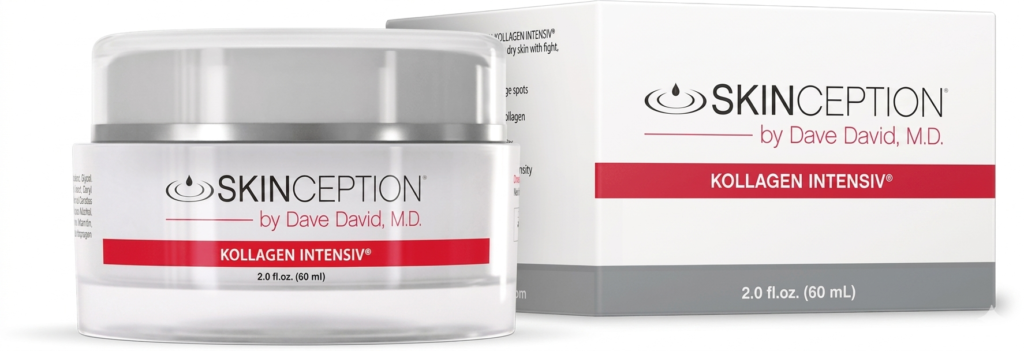
If you’re interested in supporting your skincare routine beyond topical products, Kollagen Intensiv is one option that many people choose alongside their daily eye care.
Rather than replacing an eye cream, it fits into a more complete beauty routine by supporting healthier-looking skin through ingredients designed to complement overall skin wellness. For people looking to address visible signs of skin aging from multiple angles, combining good skincare habits with internal nutritional support may be worth exploring.
7. Is There Scientific Support Behind the Ingredients?
While skincare research continues to evolve, certain ingredients have been studied more extensively than others.
Instead of focusing only on marketing language, ask:
- Are the ingredients commonly used in skincare?
- Are their benefits well understood?
- Does the product explain how the ingredients work?
Brands that educate consumers often provide more confidence than those relying only on dramatic before-and-after claims.
A Quick Tip Before You Buy
Before adding another eye cream to your cart, take a moment to compare ingredients, read the label carefully, and think about your own skincare goals. Making a more informed decision today can help you avoid wasting money on products that aren’t the right fit.
If you’re also interested in supporting healthier-looking skin from the inside, you may want to learn more about Kollagen Intensiv and how it complements a balanced skincare routine. Many readers find that combining topical care with healthy lifestyle habits creates a more complete approach.

8. Does the Packaging Protect the Ingredients?
Packaging isn’t just about appearance.
Some active ingredients remain more stable when protected from excessive air and light.
Airless pumps or opaque containers may help preserve ingredient quality better than wide-open jars that are repeatedly exposed during daily use.
While packaging alone doesn’t determine effectiveness, it is another detail worth considering.
9. Is It Worth the Price?
The most expensive eye cream isn’t always the best.
Instead of comparing products by price alone, think about overall value.
Ask yourself:
- Does it contain quality ingredients?
- Is it designed for my specific concerns?
- Will I realistically use it consistently?
- Does the brand provide clear information?
- Does the product fit within my long-term skincare budget?
Consistency is often more important than luxury packaging.
Myth vs. Fact
Myth: Expensive eye creams always work better.
Fact: Price doesn’t automatically reflect performance. Ingredients and consistency matter much more.
Myth: Eye cream can completely erase wrinkles.
Fact: Eye creams may help improve the appearance of fine lines and hydration, but they cannot permanently remove wrinkles.
Myth: Everyone needs the same eye cream.
Fact: Skin concerns vary from person to person, making individual needs an important factor.
Myth: More product works faster.
Fact: A small amount is usually enough for the delicate eye area.
Frequently Asked Questions

How early should I start using eye cream?
Many people begin using eye cream in their twenties or thirties as part of a preventative skincare routine, although there’s no universal age.
Can eye cream reduce dark circles?
Depending on the cause of dark circles, some products may improve their appearance. Genetics, lack of sleep, and lifestyle factors can all contribute.
Should eye cream be used morning and night?
Many people apply it twice daily, although following the product’s directions is always recommended.
Can I use regular moisturizer around my eyes?
Some facial moisturizers may be suitable, but products formulated specifically for the eye area are often designed with the delicate skin in mind.
How long before I notice results?
Visible improvements vary. Consistent use over several weeks is generally recommended before evaluating a product.
Key Takeaways
- Choosing an eye cream starts with identifying your biggest concern.
- Ingredients are usually more important than marketing claims.
- Healthy lifestyle habits influence how the eye area looks.
- Eye creams support skin but cannot replace realistic expectations.
- Looking after skin from both the outside and inside may provide a more complete approach.
- Consistency often delivers better results than constantly switching products.
Final Thoughts
Buying an eye cream doesn’t have to feel confusing. Asking the right questions before making a purchase can help you avoid disappointment and build a routine that’s better suited to your skin’s needs.
The best results often come from combining thoughtful skincare choices with healthy daily habits, patience, and consistency. Rather than chasing miracle claims, focus on products with sensible ingredients, realistic expectations, and a routine you can maintain over time.
If you’re exploring ways to support healthier-looking skin beyond topical products, take a look at Kollagen Intensiv through the link below. Learning how it fits into a balanced skincare routine can help you make a more informed decision about caring for the delicate skin around your eyes—both now and in the years ahead.
⭐⭐⭐⭐⭐ Trusted by Thousands of Happy Customers • 67-Day Money-Back Guarantee