Your under-eye skin may be telling you more than you realise.
Your under-eye skin may be telling you more than you realise. Discover the everyday habits and hidden factors that can influence how hydrated, smooth, and refreshed your eye area looks.
The skin around your eyes is often the first place to show signs of dehydration. If you’ve noticed your under-eye area looking dull, crepey, or more tired than usual, you’re not alone.
Many people immediately reach for a richer eye cream, assuming that’s the only answer. While moisturising is important, hydration around the eyes is influenced by much more than skincare alone.
From your daily habits to your environment, several factors can affect how well your skin retains moisture. Understanding these influences can help you make smarter choices that support healthier-looking skin over time.
Let’s explore eight common things that can affect eye area hydration—and what you can do about them.
Why Eye Area Hydration Matters
The skin around the eyes is naturally thinner than most other areas of the face. It contains fewer oil glands, making it more vulnerable to moisture loss.
When this delicate skin becomes dehydrated, you may notice:
- Fine lines appearing more noticeable
- A rough or crepey texture
- A tired-looking appearance
- Less smooth makeup application
- Skin that feels tight or uncomfortable
Keeping this area well hydrated helps support a softer, healthier-looking appearance while improving overall skin comfort.
1. Daily Water Intake
Hydration starts from within.
Although drinking extra water won’t instantly erase under-eye dryness, staying properly hydrated supports your body’s normal skin functions.
When you’re consistently dehydrated, your skin may appear the following:
- Less plump
- More tired
- Duller than usual
Aim to drink enough fluids throughout the day rather than trying to “catch up” all at once.
2. Indoor Heating and Air Conditioning
Many people blame ageing when their eye area suddenly feels drier during certain seasons.
In reality, indoor environments can play a surprisingly large role.
Heating systems during winter and air conditioning during summer reduce humidity, allowing moisture to evaporate from the skin more quickly.
If you spend long hours indoors, consider:
- Using a humidifier
- Applying moisturizer consistently
- Avoiding overly hot showers
- Reapplying hydrating skincare when needed
Small environmental adjustments can make a noticeable difference.
3. Lack of Sleep
Quality sleep gives your skin time to perform its natural repair processes.
Poor sleep doesn’t directly remove hydration, but it can contribute to skin that appears
- Dull
- Puffy
- Less refreshed
- More textured
Creating a consistent bedtime routine may benefit both your overall well-being and your skin’s appearance.
4. Harsh Cleansers
One of the most common skincare mistakes is using cleansers that leave the skin feeling “squeaky clean”.
That tight feeling is often a sign that natural oils have been removed.
Around the eyes, this can make dehydration more noticeable.
Instead, look for gentle cleansers that:
- Remove makeup effectively
- Respect the skin barrier
- Avoid excessive dryness
- Leave skin feeling comfortable
Your cleanser should clean your skin—not strip it.
5. Sun Exposure
Sunlight doesn’t just contribute to visible skin ageing.
Repeated UV exposure can also affect the skin’s moisture barrier, making it harder for skin to retain hydration.
Daily sun protection remains one of the simplest ways to support healthier-looking skin around the eyes.
Helpful habits include:
- Wearing sunglasses outdoors
- Applying sunscreen around the orbital bone
- Seeking shade during peak sunlight hours
- Wearing wide-brimmed hats when possible
6. Natural Changes in Skin Over Time
As skin matures, natural processes gradually change.
Over time, the skin may produce less oil and retain moisture less efficiently.
This is completely normal.
Because of these changes, many people choose products that focus on supporting hydration while helping improve the appearance of fine lines and smoother-looking skin.
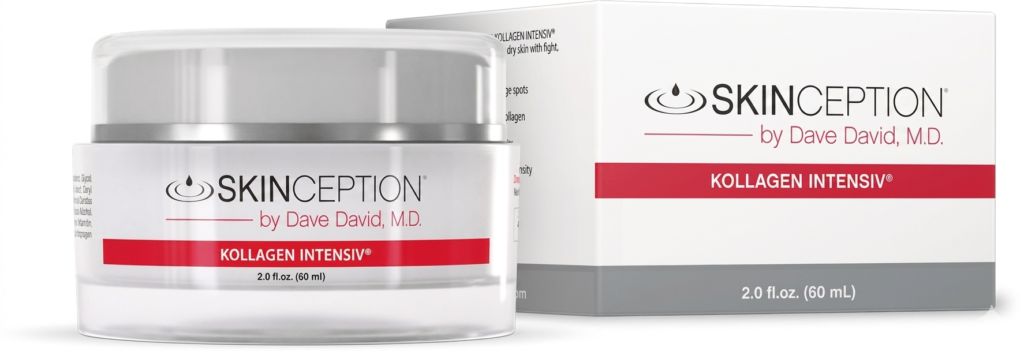
One option some people consider is Kollagen Intensiv.
Rather than replacing a consistent skincare routine, it can complement one by helping support the appearance of healthier-looking skin with ingredients designed to moisturise and nourish the delicate eye area.
Like any skincare product, results vary from person to person, but many users appreciate adding it to their daily routine as part of a broader approach to caring for ageing skin.
7. Overusing Active Ingredients
Ingredients like retinol, exfoliating acids, and strong vitamin C formulas can be beneficial when used appropriately.
However, applying too many active products—or using them too frequently—may temporarily leave sensitive skin feeling dry.
Signs that your routine may be too aggressive include:
- Tightness
- Flaking
- Increased sensitivity
- Dry patches
- Irritation around the eyes
Sometimes simplifying your routine allows your skin to recover more comfortably.

8. Everyday Lifestyle Habits
Small daily choices often have a bigger impact than people expect.
Lifestyle habits that may influence skin hydration include:
- Smoking
- High stress levels
- Limited sleep
- Poor nutrition
- Excessive alcohol consumption
While no one is perfect, gradually improving these habits may help support healthier-looking skin over time.
Why Many People Overlook This Issue
Most people focus only on what they apply to their skin.
But healthy-looking skin depends on multiple factors working together.
Hydration is influenced by:
- Your environment
- Your skincare routine
- Daily habits
- Sleep quality
- Sun protection
- Overall lifestyle
Looking at the bigger picture often leads to better long-term results than relying on a single product alone.
That’s why building consistent skincare habits tends to be more effective than constantly searching for quick fixes.
Myth vs. Fact
Myth: Drinking gallons of water instantly removes under-eye dryness.
Fact: Staying hydrated supports overall skin health, but visible improvements also depend on skincare, environment, and lifestyle.
Myth: Oily skin can’t become dehydrated.
Fact: Skin can produce excess oil while still lacking water, making dehydration possible for every skin type.
Myth: Expensive eye creams always work better.
Fact: Consistent use of well-formulated products and healthy daily habits usually matter more than price alone.
Myth: Fine lines always mean ageing.
Fact: Temporary dehydration can make existing fine lines appear more noticeable.

Practical Tips You Can Start Today
Supporting eye area hydration doesn’t require a complicated routine.
Try these simple habits:
- Cleanse gently without over-scrubbing.
- Moisturise morning and evening.
- Wear sunscreen every day.
- Prioritise consistent sleep.
- Stay hydrated throughout the day.
- Use a humidifier during dry seasons.
- Avoid rubbing the delicate eye area.
- Consider adding products designed to support healthier-looking skin around the eyes, such as Kollagen Intensiv, as part of a balanced skincare routine.
Small, consistent improvements often produce better long-term results than dramatic changes.
Frequently Asked Questions

Can dehydration make under-eye wrinkles look worse?
Yes. Dehydrated skin can temporarily make fine lines appear more visible because the skin looks less plump.
How can I tell if my eye area is dehydrated?
Common signs include tightness, dullness, rough texture, and fine lines that seem more noticeable than usual.
Does drinking more water completely fix dry under-eyes?
Proper hydration supports healthy skin, but skincare products, environmental conditions, and lifestyle habits also play important roles.
Can weather affect eye area hydration?
Absolutely. Cold air, wind, heating, and air conditioning can all increase moisture loss from the skin.
Is it okay to use regular face moisturiser around the eyes?
Some facial moisturisers work well around the eyes, but products specifically formulated for this delicate area may be gentler and provide targeted hydration.
Key Takeaways
Healthy-looking skin around the eyes depends on more than simply applying moisturiser.
Remember:
- Hydration starts both inside and outside the body.
- Gentle skincare protects the skin barrier.
- Daily sun protection matters year-round.
- Sleep and lifestyle habits influence skin appearance.
- Consistency usually produces better results than chasing quick fixes.
- Products like Kollagen Intensiv may complement a well-rounded skincare routine by helping support smoother, healthier-looking skin around the eyes.
Final Thoughts
The eye area is one of the first places where dehydration becomes visible, but it’s also one of the easiest areas to improve with steady, thoughtful care.
Instead of searching for a miracle solution, focus on building healthy habits that support your skin every day. Small choices—like protecting your skin from the sun, using gentle skincare, staying hydrated, and getting enough rest—can add up over time.
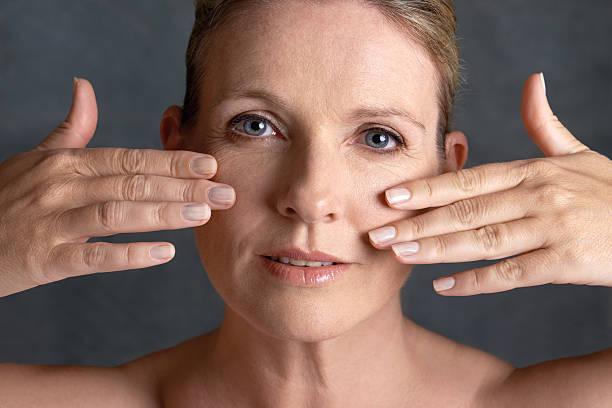
If you’re looking to further support the appearance of hydrated, smoother-looking skin around your eyes, Kollagen Intensiv may be worth exploring as part of your daily skincare routine. Its formula is designed to nourish the delicate eye area and complement healthy skincare habits—not replace them.
If you’d like to learn more about how Kollagen Intensiv works and whether it may be a good fit for your skincare goals, click the affiliate link below to explore the product in more detail. A little extra knowledge today could help you make more confident skincare choices tomorrow.
⭐⭐⭐⭐⭐ Trusted by Thousands of Happy Customers • 67-Day Money-Back Guarantee