The delicate skin around your eyes loses hydration faster than you might think—discover why keeping it moisturised can help it look smoother, brighter, and more refreshed over time.
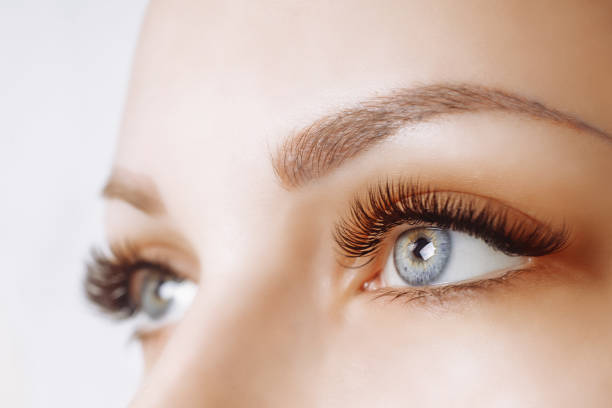
One day your eyes look bright and refreshed. Next, the under-eye area seems a little drier, fine lines appear more noticeable, and concealer suddenly doesn’t glide on as smoothly as it once did.
While it’s easy to assume this is simply part of getting older, dehydration often plays a much bigger role than most people realise. The skin surrounding your eyes has unique characteristics that make it more vulnerable to moisture loss than almost anywhere else on your face.
Understanding why the eye area needs extra moisture can help you build a skincare routine that supports smoother, healthier-looking skin for years to come.
Why This Topic Matters
The eye area is often the first feature people notice during conversations. Because the skin here is naturally thin and constantly moving with every smile, blink, and expression, even small changes in hydration can become surprisingly visible.
When moisture levels decline, the skin may appear
- Less smooth
- More tired
- Slightly crepey
- Duller than the rest of the face
- More prone to making fine lines stand out
The good news is that proper hydration can help support a softer, healthier-looking appearance while improving overall skin comfort.
Why The Eye Area Loses Moisture So Easily
Several factors make this area especially vulnerable.
Thinner Skin
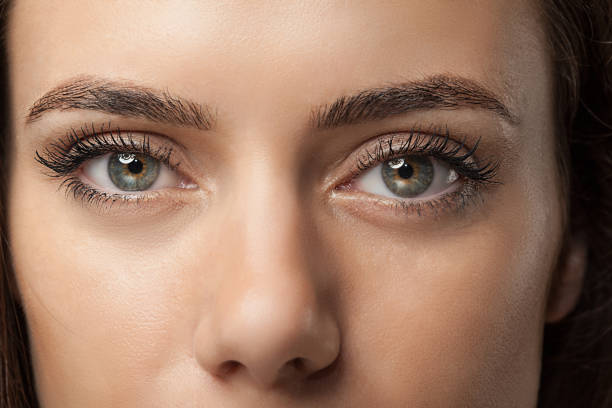
The skin surrounding the eyes is significantly thinner than much of the rest of the face. Because of this, it has a smaller natural barrier to help retain water.
When hydration decreases, changes often become noticeable sooner than they do elsewhere.
Fewer Oil Glands
Unlike areas such as the forehead or nose, the eye area contains fewer oil-producing glands.
Natural oils help slow water loss. With less oil production, moisture evaporates more quickly, especially during dry weather or colder seasons.
Constant Movement
Your eyes blink thousands of times every day.
Smiling, squinting, laughing, reading, and using digital devices all create repeated facial movements that place ongoing stress on this delicate skin.
Well-hydrated skin generally appears more supple and flexible.
Environmental Exposure
Every day, your eyes are exposed to:
- UV rays
- Wind
- Air conditioning
- Indoor heating
- Pollution
- Low humidity
Over time, these environmental factors can contribute to moisture loss if your skincare routine doesn’t help replenish hydration.

Common Mistakes That Leave The Eye Area Feeling Dry
Many people unknowingly make small mistakes that reduce hydration.
Some of the most common include the following:
Using Harsh Cleansers
Foaming cleansers that remove too much oil can weaken the skin’s moisture barrier.
Choosing a gentle cleanser may help preserve hydration.
Skipping Eye-Specific Moisturizers
Some facial moisturisers work well across the entire face, but others may not provide the level of nourishment that the delicate eye area benefits from.
A product designed specifically for this area may offer ingredients chosen to support thinner skin.
Applying Too Little Moisture
Many skincare routines focus heavily on cleansing and treatments while overlooking hydration.
Keeping the skin comfortably moisturised is one of the simplest habits you can develop.
Forgetting Sun Protection
UV exposure doesn’t just affect pigmentation.
It can also contribute to dryness and premature-looking skin over time.
Lifestyle Habits That Influence Eye Hydration
Your daily routine plays a surprisingly important role.
Sleep Quality
Poor sleep can leave skin looking dull and less refreshed.
While moisturiser can’t replace a good night’s rest, healthy sleep habits support overall skin appearance.
Indoor Air
Heating during winter and air conditioning during summer both reduce humidity, allowing moisture to evaporate more quickly from the skin.
Nutrition
Foods rich in healthy fats, antioxidants, vitamins, and adequate water intake all support healthy-looking skin from within.
Screen Time
Long periods spent looking at digital screens may reduce blinking frequency, leaving the eyes feeling dry and the surrounding skin less comfortable.
Taking regular breaks can help.
Why Many People Overlook This Issue
Ironically, many people invest heavily in anti-ageing products while overlooking one of the simplest foundations of healthy-looking skin: hydration.
It’s easy to focus only on wrinkles or dark circles.
However, dehydrated skin can make these concerns appear more noticeable than they actually are.
Supporting the skin’s moisture barrier may help improve the overall appearance before more advanced skincare steps are even considered.
Practical Tips To Keep The Eye Area Better Hydrated
Small daily habits often make the biggest difference over time.
Consider incorporating these simple practices:
- Apply moisturiser while skin is still slightly damp after cleansing.
- Avoid rubbing or tugging the eye area.
- Use lukewarm instead of hot water.
- Wear sunglasses outdoors to reduce squinting.
- Apply sunscreen daily.
- Use a humidifier during dry seasons if indoor air is very dry.
- Choose skincare products with hydrating ingredients such as hyaluronic acid, glycerin, peptides, and ceramides.
Consistency usually delivers better results than constantly switching between products.
Supporting Eye Hydration With The Right Skincare
As you build a routine focused on hydration, it’s worth choosing products that are formulated specifically for the delicate eye area.
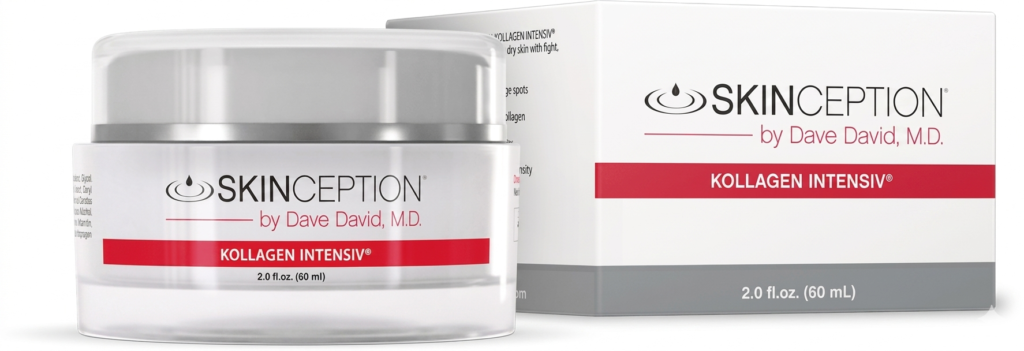
One option many people explore is Kollagen Intensiv, a skincare cream designed to support healthier-looking skin around the eyes. Its moisturising ingredients are intended to help improve the appearance of dry, tired-looking skin while promoting a smoother, softer feel as part of a consistent skincare routine.
Rather than acting as a quick fix, it fits best alongside healthy daily habits like gentle cleansing, sun protection, and regular moisturising.
If you’re curious about learning more, you’ll find additional information through the link below after finishing this guide.
Myth vs Fact
Myth: Only mature skin needs extra moisture around the eyes.
Fact: Skin of all ages can become dehydrated due to weather, indoor heating, UV exposure, and daily lifestyle habits.
Myth: Drinking more water alone is enough.
Fact: Staying hydrated is important, but topical moisturisers also help support the skin’s moisture barrier.
Myth: Oily skin doesn’t need eye cream.
Fact: Even people with oily skin can experience dehydration around the eyes because this area naturally contains fewer oil glands.
Myth: Fine lines always mean ageing.
Fact: Temporary dehydration can make existing fine lines appear more noticeable until the skin is better hydrated.
Frequently Asked Questions

Should I moisturise around my eyes every day?
Yes. Daily hydration helps support the skin’s moisture barrier and can contribute to a smoother-looking appearance.
Can dehydration make fine lines look worse?
Temporary dehydration may make fine lines appear more visible because dry skin reflects light less evenly.
What ingredients help hydrate the eye area?
Ingredients such as hyaluronic acid, glycerin, ceramides, peptides, and nourishing botanical oils are commonly used to support skin hydration.
Is regular facial moisturiser enough?
Some facial moisturisers work well around the eyes, while others may be too heavy or not specifically formulated for this delicate area. Choosing products suitable for the eye area is generally recommended.
How long does it take to notice improvements?
Everyone’s skin is different. Many people notice improved softness and comfort with consistent moisturising, while longer-term improvements depend on overall skincare habits and individual skin characteristics.
Key Takeaways
The eye area deserves extra attention because it naturally loses moisture more easily than other parts of the face.
Remember these important points:
- The skin around your eyes is thinner and more delicate.
- Daily hydration supports healthier-looking skin.
- Lifestyle habits influence moisture levels.
- Gentle skincare practices protect the skin barrier.
- Consistency matters far more than using dozens of products.
- Specialised moisturisers may provide additional support for the delicate eye area.
Conclusion
Healthy-looking eyes aren’t simply about reducing the appearance of fine lines—they’re also about maintaining skin that feels comfortable, hydrated, and resilient every day.
Because the eye area naturally loses moisture more quickly, giving it extra hydration can become one of the most valuable habits in your skincare routine. Combined with sun protection, gentle cleansing, quality sleep, and consistent care, proper moisturisation helps create an environment where your skin can continue looking its best.
If you’d like to explore one product designed specifically to support the appearance of smoother, healthier-looking skin around the eyes, take a look at Kollagen Intensiv through the affiliate link below. Learn how its moisturising formula may complement your daily routine and help you care for one of the most delicate areas of your face.
Beautiful-looking skin often starts with the simplest habit of all: giving it the moisture it truly needs.
⭐⭐⭐⭐⭐ Trusted by Thousands of Happy Customers • 67-Day Money-Back Guarantee