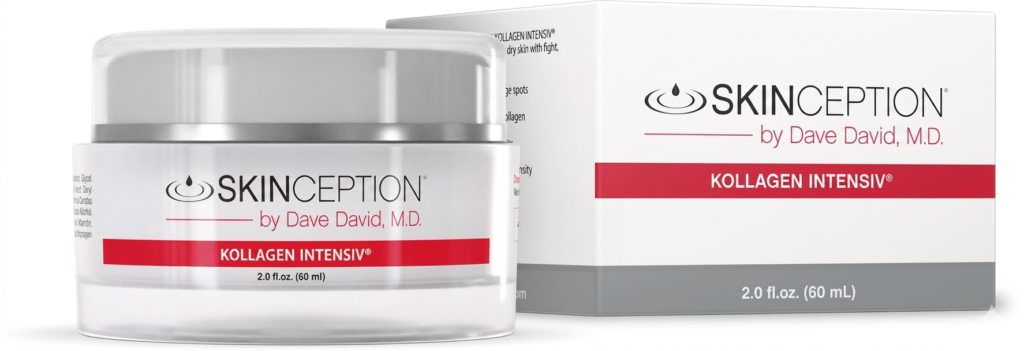
Small everyday routines can gradually make the delicate skin around your eyes look older—but a few simple changes may help you maintain a fresher, more rested appearance.

The eye area is often the first place where signs of ageing become noticeable. Because the skin surrounding the eyes is thinner and more delicate than the rest of the face, even seemingly harmless daily habits can leave a lasting impression over time.
If you’ve ever wondered why your eyes sometimes look more tired than you feel, you’re not alone. Many people invest in expensive skincare products while unknowingly repeating everyday behaviours that may contribute to fine lines, puffiness, dryness, and a less youthful appearance.
The good news? Many of these habits are surprisingly easy to change.
Let’s explore eight common habits that can highlight eye area ageing—and what you can do instead.
Why the Eye Area Ages Faster Than the Rest of the Face
The skin around the eyes contains less collagen and fewer oil glands and experiences constant movement from blinking, smiling, and facial expressions.
As we age, collagen production naturally slows, moisture levels decrease, and the skin becomes more susceptible to environmental damage. Lifestyle choices can either support healthy-looking skin or speed up visible changes.
Understanding these factors is often the first step toward making smarter skincare decisions.

Habit 1: Rubbing Your Eyes Too Often
Whether caused by allergies, tiredness, or irritation, frequent rubbing places unnecessary stress on delicate skin.
Over time, this repeated friction may:
- Stretch fragile skin
- Increase puffiness
- Make tiny blood vessels more noticeable
- Emphasize fine lines
Instead, gently pat the area if irritation occurs and address the underlying cause whenever possible.
Habit 2: Skipping Daily Sun Protection
Many people remember sunscreen on their cheeks and forehead but forget the eye area.
Ultraviolet exposure is one of the biggest contributors to premature skin ageing because it can gradually break down collagen and elastin.
Helpful habits include:
- Wearing sunglasses outdoors
- Applying sunscreen carefully around the orbital bone
- Choosing hats with wide brims during prolonged sun exposure
Consistent protection often pays off over time.
Habit 3: Sleeping Poorly
Quality sleep is when your skin performs much of its natural repair process.
Consistently poor sleep may contribute to:
- Darker-looking under-eye shadows
- Puffiness
- Dull skin
- A tired appearance
While everyone has occasional restless nights, aiming for a consistent sleep routine can support healthier-looking skin overall.
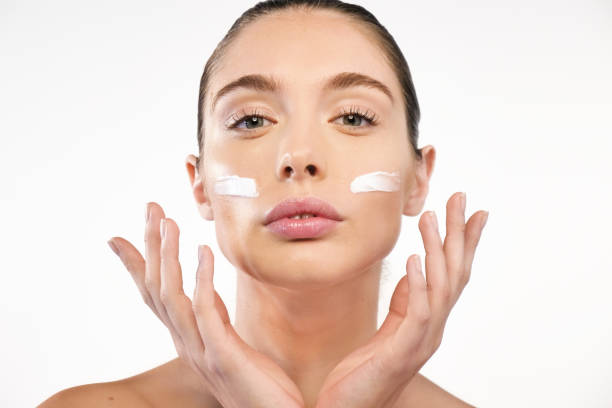
Habit 4: Not Keeping the Skin Hydrated
The eye area loses moisture more easily than many other parts of the face.
When skin becomes dehydrated, fine lines may appear more noticeable—even temporarily.
Look for products that support moisture retention and maintain a healthy skin barrier. Drinking enough water also supports overall skin health, although hydration alone won’t erase wrinkles.
Common Mistakes People Often Overlook
Many skincare routines focus heavily on cleansing and moisturising but miss several everyday behaviours that influence the appearance of the eye area.
Some examples include:
- Applying products too aggressively
- Using overly hot water
- Forgetting to remove makeup completely
- Pulling at the skin during cleansing
- Neglecting regular moisturizing
Small improvements practised consistently often produce better long-term results than constantly changing products.

Habit 5: Smoking and Environmental Exposure
Smoking exposes the skin to chemicals that increase oxidative stress and may accelerate visible ageing.
Even if you don’t smoke, frequent exposure to pollution and environmental irritants can also affect skin quality over time.
Protective habits include:
- Cleansing thoroughly at night
- Supporting your skin barrier with moisturizing ingredients
- Avoiding unnecessary exposure to smoke whenever possible
Healthy skin benefits from both internal and external care.
Habit 6: Eating a Diet Low in Skin-Supporting Nutrients
Your skin reflects many aspects of your overall health.
A balanced diet rich in nutrients that support collagen production and skin health may help maintain a smoother appearance.
Foods often associated with healthy skin include:
- Colorful fruits
- Leafy vegetables
- Healthy fats
- Lean protein
- Foods rich in vitamin C
Nutrition isn’t a quick fix, but consistent healthy eating supports your skin from within.

Habit 7: Ignoring Daily Skincare Consistency
One of the biggest mistakes isn’t using the wrong product—it’s using good products inconsistently.
Healthy-looking skin typically benefits from regular care rather than occasional intensive treatments.
A simple routine often works best:
- Gentle cleansing
- Daily moisturizing
- Sun protection
- Eye-area support products when appropriate
Consistency usually matters more than complexity.
Habit 8: Waiting Until Signs Become Noticeable
Many people only begin paying attention to the eye area after visible changes appear.
Supporting the skin earlier doesn’t stop natural ageing, but it may help maintain a smoother, healthier-looking appearance for longer.
Prevention is often easier than trying to reverse years of accumulated damage.

Why Many People Overlook These Habits
It’s easy to assume that eye ageing is determined entirely by genetics.
While genetics certainly play a role, daily lifestyle choices also influence how skin looks over time.
Many habits become so automatic that people don’t realise they’re affecting one of the most delicate areas of the face.
Fortunately, awareness creates opportunity. Small adjustments made consistently can gradually support healthier-looking skin.
A Simple Addition to Your Eye Care Routine
If you’re already building healthier daily habits, adding a targeted eye cream may complement your routine.
One option many people consider is Kollagen Intensiv. Rather than replacing healthy lifestyle choices, it works best as part of an overall skincare approach.
Its formula is designed to support the appearance of smoother, firmer, and better-hydrated skin around the eyes. For individuals concerned about visible signs of ageing such as fine lines, dryness, and tired-looking skin, it may be a worthwhile addition alongside consistent sun protection, hydration, and quality sleep.
The goal isn’t perfection—it’s supporting healthier-looking skin through multiple small habits that work together.
Myth vs. Fact
Myth: Expensive skincare always produces better results.
Fact: Consistency and using products correctly often matter more than price.
Myth: Fine lines only appear because of age.
Fact: Sun exposure, hydration, sleep, and daily habits also influence how noticeable they become.
Myth: Eye creams are unnecessary.
Fact: While not essential for everyone, products specifically formulated for the delicate eye area can provide additional hydration and targeted support.
Myth: It’s too late to improve your routine.
Fact: Healthy skincare habits can be beneficial at almost any age.
Frequently Asked Questions

Can everyday habits really affect how the eye area looks?
Yes. Repeated behaviours such as sun exposure, poor sleep, dehydration, and rubbing the eyes may gradually influence the appearance of the skin.
What is the biggest contributor to visible eye ageing?
There isn’t one single cause. Ageing is usually influenced by a combination of genetics, lifestyle, environmental exposure, and skincare habits.
Does drinking more water remove wrinkles?
Hydration supports healthy skin, but it won’t eliminate wrinkles. However, well-hydrated skin may appear smoother and healthier.
Should I use a separate eye cream?
Many people choose products formulated specifically for the delicate eye area because they are designed with thinner skin in mind.
How long does it take to notice improvements?
Healthy skincare habits often require patience. Consistency over weeks and months generally produces the most noticeable improvements.

Key Takeaways
- The skin around your eyes is naturally delicate.
- Everyday habits often influence how quickly signs of ageing become noticeable.
- Sun protection, hydration, sleep, and gentle skincare all play important roles.
- Small, consistent improvements usually outperform dramatic short-term changes.
- Supporting your routine with a targeted product may provide additional benefits.
Final Thoughts
Healthy-looking skin around the eyes isn’t usually the result of one miracle product or one perfect habit. Instead, it’s the combination of many small choices repeated day after day.
By becoming aware of the habits that can highlight eye area ageing, you put yourself in a better position to protect one of the most expressive features of your face. Gentle care, smart lifestyle choices, and consistent skincare can all contribute to a brighter, more refreshed appearance over time.
If you’d like to explore a product specifically designed to support smoother, healthier-looking skin around the eyes, Kollagen Intensiv may be worth learning more about. Click the affiliate link below to discover how it works, review its ingredients, and decide whether it fits your skincare routine.
Remember: lasting results often begin with small daily habits—not dramatic overnight changes.
⭐⭐⭐⭐⭐ Trusted by Thousands of Happy Customers • 67-Day Money-Back Guarantee