You may be getting enough sleep, but your eyes can still make you look exhausted. Discover the overlooked factors that quietly affect the delicate eye area and what you can do to help it appear brighter, smoother, and more refreshed.
You’re not alone.
Many people assume dark circles, puffiness, or fine lines are simply signs of ageing or lack of sleep. While those factors certainly play a role, they’re often only part of the story. In reality, there’s a little-known cause of tired-looking eyes that many people overlook—and it can make a significant difference in how youthful and refreshed you appear.
The skin around your eyes is incredibly delicate. Because it’s thinner than the rest of your face, even subtle changes in hydration, collagen levels, circulation, and daily habits can become much more noticeable.
The good news? Once you understand what’s happening beneath the surface, it’s easier to make small changes that support healthier-looking skin around your eyes.
Why This Topic Matters
The eyes are often the first feature people notice during a conversation. They’re also one of the earliest places where visible signs of fatigue and ageing begin to appear.
Even if the rest of your complexion looks healthy, tired-looking eyes can create the impression that you’re stressed, exhausted, or older than you feel.
That’s why understanding the real causes matters. Instead of constantly covering up the problem with concealer or relying on temporary fixes, you can focus on supporting the skin itself.
The Little-Known Cause Of Tired-Looking Eyes
One overlooked reason tired-looking eyes become more noticeable is the gradual decline of collagen combined with reduced moisture retention in the skin.
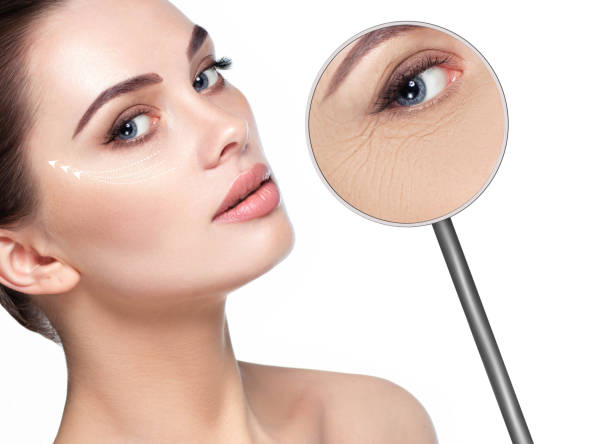
Collagen is one of the proteins responsible for keeping skin firm, smooth, and resilient. As natural collagen production slows with age, the skin beneath the eyes becomes thinner and less elastic.
When this happens, several changes may become more visible:
- Fine lines appear more easily.
- Under-eye shadows can look darker.
- Puffiness becomes more noticeable.
- Skin loses some of its smooth, firm appearance.
- Eyes may appear less vibrant overall.
Because this process happens gradually, many people don’t recognise it until the changes become difficult to ignore.
Common Mistakes That Can Make Eyes Look More Tired
Many everyday habits quietly contribute to an older, more fatigued appearance.
Some of the most common include:
- Frequently rubbing the eye area
- Sleeping inconsistently
- Spending long hours looking at digital screens
- Forgetting to wear sunscreen around the eyes
- Not drinking enough water
- Using skincare products that are too harsh for delicate skin
These habits don’t usually create visible changes overnight, but over months and years they can influence how the eye area looks.
Lifestyle Factors That Affect Eye Appearance
Healthy-looking eyes are influenced by far more than skincare.
Sleep Quality
It’s not only about the number of hours you sleep.
Interrupted sleep may affect circulation and fluid balance, making puffiness more noticeable in the morning.
Hydration
Well-hydrated skin generally appears smoother and more supple.
When skin becomes dehydrated, fine lines often appear more prominent, especially beneath the eyes.
Nutrition
A balanced diet rich in vitamins, antioxidants, and protein helps support normal skin health.
Foods containing vitamin C are particularly important because vitamin C contributes to normal collagen formation.
Sun Exposure
Ultraviolet exposure is one of the biggest external contributors to visible skin ageing.
Daily sun protection helps support healthier-looking skin over time.
Stress
Chronic stress can affect sleep quality and overall skin appearance, making tired-looking eyes seem more noticeable.
Why So Many People Overlook This Issue
Many beauty products focus on hiding tired-looking eyes rather than addressing why they appear in the first place.
It’s easy to become caught in a cycle of using concealer, brightening creams, or cooling patches for temporary improvement while overlooking the underlying factors that influence skin quality.
Collagen loss happens gradually.
Because the change is slow, it’s easy to assume looking tired is simply part of getting older.
However, healthy daily habits and supportive skincare can help improve the overall appearance of the delicate eye area over time.
Practical Tips You Can Start Today
Improving the appearance of tired-looking eyes doesn’t necessarily require an extensive beauty routine.
Small, consistent habits often make the biggest difference.
Consider:
- Prioritising consistent, quality sleep.
- Staying hydrated throughout the day.
- Wearing sunglasses outdoors to reduce squinting.
- Applying sunscreen daily.
- Choosing gentle skincare formulated for delicate skin.
- Eating a diet rich in colourful fruits and vegetables.
- Avoiding unnecessary rubbing around the eyes.
- Managing stress through regular exercise or relaxation techniques.
These habits support healthier-looking skin while helping reduce everyday stress on the eye area.
A Gentle Addition That May Help
If you’re looking to go beyond basic skincare, some people also choose products designed specifically to support the appearance of the delicate skin around the eyes.
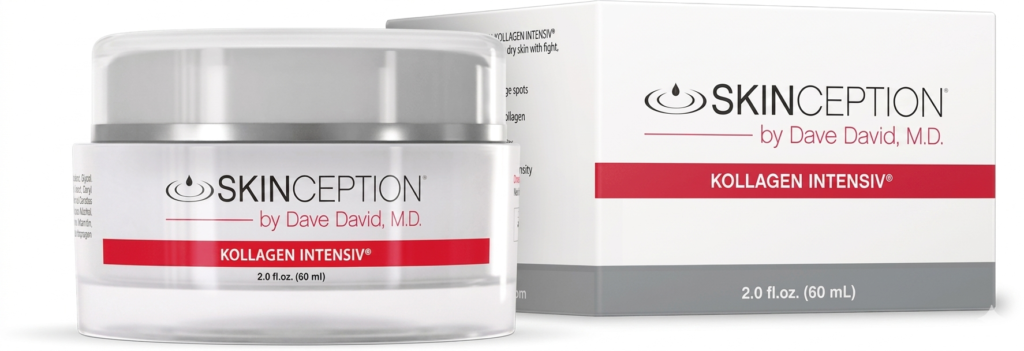
One option is Kollagen Intensiv, a skincare formula created to help support smoother, firmer, and healthier-looking skin. Rather than promising unrealistic overnight results, it’s designed to complement a consistent skincare routine by helping improve the appearance of fine lines and supporting skin hydration.
Many users incorporate it into their daily routine alongside healthy lifestyle habits because they prefer an approach that focuses on maintaining skin quality over time rather than simply covering visible concerns.
If you’re curious about how it works and whether it may be suitable for your skincare routine, you can learn more through the link below after finishing this guide.
Myth vs. Fact
Myth: Tired-looking eyes always mean you’re not getting enough sleep.
Fact: While sleep is important, hydration, collagen levels, sun exposure, stress, genetics, and skincare habits also influence how your eyes appear.
Myth: Eye creams work instantly.
Fact: Most skincare products require consistent use over several weeks before noticeable improvements in skin appearance may develop.
Myth: Fine lines only happen later in life.
Fact: Environmental factors, dehydration, facial expressions, and UV exposure can all contribute to earlier visible changes.
Myth: Makeup is the only solution.
Fact: Cosmetics may temporarily brighten the eye area, but supportive skincare and healthy habits can help improve the skin’s overall appearance over time.
Frequently Asked Questions

Why do my eyes look tired even after sleeping well?
Several factors besides sleep influence eye appearance, including hydration, collagen production, genetics, allergies, stress, and natural skin ageing.
Does collagen affect the appearance of the eye area?
Collagen helps support skin firmness and elasticity. As natural collagen production declines with age, the delicate skin beneath the eyes may appear thinner, making shadows and fine lines more noticeable.
Can dehydration make eyes look older?
Yes. Dehydrated skin often appears less smooth, which can make fine lines and texture more visible.
Is sunscreen important around the eyes?
Absolutely. Daily sun protection helps reduce cumulative UV damage that contributes to visible signs of skin ageing.
How long does it take to notice improvements?
Visible changes depend on your skincare routine, lifestyle, and individual skin characteristics. Consistency generally matters more than expecting immediate results.
Key Takeaways
- Tired-looking eyes aren’t always caused by lack of sleep.
- Gradual collagen loss is one of the most overlooked contributors.
- Hydration, nutrition, stress, and sun protection all influence the appearance of the eye area.
- Small daily habits often produce better long-term results than quick fixes.
- Supportive skincare, including products designed for the delicate eye area, may complement a healthy routine.
Conclusion
The little-known cause of tired-looking eyes isn’t usually just one thing. Instead, it’s often a combination of gradual collagen decline, lifestyle habits, hydration, and everyday environmental exposure working together over time.
Understanding these factors puts you in a much stronger position to care for your skin proactively rather than simply masking visible concerns.
If you’re interested in taking the next step, learning more about Kollagen Intensiv may be worthwhile. When combined with healthy daily habits and a consistent skincare routine, it can become part of an approach focused on supporting smoother, healthier-looking skin around the eyes.
Healthy-looking eyes rarely come from one miracle product—they’re usually the result of consistent care, smart skincare choices, and understanding what your skin truly needs. Small improvements made today can help your eyes look brighter, fresher, and more confident tomorrow.
⭐⭐⭐⭐⭐ Trusted by Thousands of Happy Customers • 67-Day Money-Back Guarantee