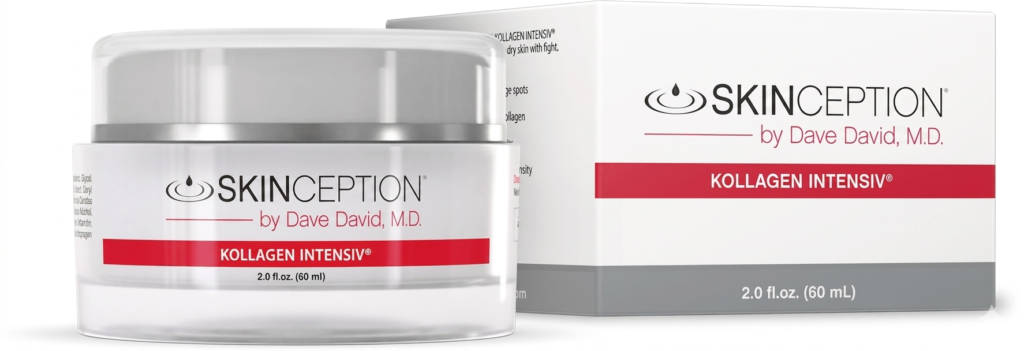
Why Under-Eye Puffiness Can Seem to Appear Overnight—and What You Can Do to Help Your Eyes Look More Refreshed

You’re not imagining it.
For many people, under-eye bags don’t develop overnight—but there are times when they appear far more prominent than they did just days before. The skin around the eyes is among the thinnest and most delicate on the body, making it especially sensitive to changes in sleep, hydration, lifestyle, and the natural ageing process.
The good news is that understanding what makes eye bags more visible can help you make simple changes that support a fresher, healthier-looking appearance.
Let’s explore the most common reasons this happens and what you can do about it.
Why Eye Bags Become More Noticeable Over Time
Eye bags are often linked to ageing, but they’re influenced by much more than just birthdays.
Several internal and external factors can affect the appearance of the delicate under-eye area, including fluid retention, collagen changes, skin elasticity, and everyday habits.
When multiple factors occur together, the effect can become much more noticeable.
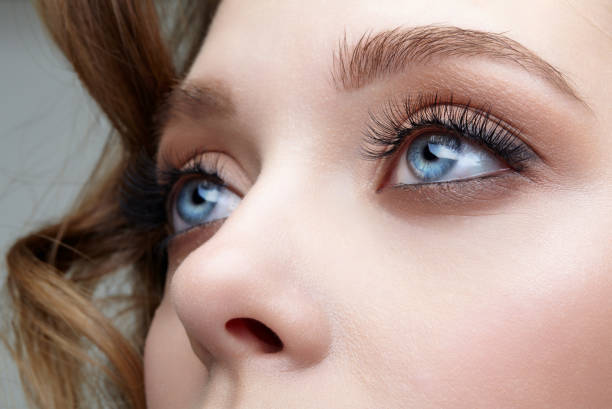
1. Natural Loss of Skin Elasticity
One of the biggest contributors is the gradual decline in collagen and elastin.
These important proteins help keep skin firm and resilient. As production naturally slows with age, the skin beneath the eyes becomes thinner and less supportive.
This allows natural fat pads beneath the eyes to become more visible, making puffiness appear greater than before.
2. Fluid Retention
Sometimes eye bags aren’t actually larger—they simply contain more fluid.
Temporary water retention often becomes more noticeable after:
- Salty meals
- Poor sleep
- Alcohol consumption
- Hormonal changes
- Crying
Fluid tends to collect under the eyes while lying down overnight, which explains why many people notice puffiness first thing in the morning.

3. Lack of Quality Sleep
Sleep is when your body performs much of its overnight repair work.
Consistently poor sleep may contribute to:
- Tired-looking eyes
- Increased puffiness
- Duller skin
- More visible shadows beneath the eyes
Even if you sleep enough hours, poor-quality sleep can still affect how refreshed your eyes appear.
4. The Natural Aging Process
As facial tissues gradually shift with age, the structures supporting the under-eye area also change.
Over time:
- Skin becomes thinner.
- Muscles lose firmness.
- Fat pads may shift slightly.
- Fine lines become more visible.
Together, these changes can make eye bags stand out more than they once did.
5. Sun Exposure
Daily UV exposure slowly breaks down collagen within the skin.
Because the eye area receives frequent sun exposure, it can begin showing signs of ageing earlier than many other areas of the face.
Wearing sunglasses and applying sunscreen around the eyes (carefully and appropriately formulated) can help support healthier-looking skin over time.
6. Dehydration
When your body lacks adequate hydration, skin can appear
- Less plump
- Less smooth
- More tired
- More textured
Ironically, dehydration can also encourage temporary water retention as the body attempts to conserve fluids, making puffiness seem worse.
Drinking enough water throughout the day supports overall skin appearance.

7. Allergies and Eye Rubbing
Seasonal allergies often trigger inflammation around the eyes.
Many people unknowingly make the problem worse by rubbing itchy eyes repeatedly.
Frequent rubbing may:
- Irritate delicate skin
- Increase swelling
- Make blood vessels more visible
- Contribute to a tired appearance
Managing allergies appropriately and avoiding excessive rubbing can help minimise unnecessary irritation.
8. Lifestyle Habits
Several everyday habits can gradually affect the appearance of the eye area.
These include:
- Smoking
- Chronic stress
- Poor nutrition
- Limited exercise
- Excessive screen time
- Inconsistent skincare routines
While none of these alone guarantees eye bags, together they may influence how healthy and refreshed your skin looks.
Small improvements often add up over time.
9. Genetics
Sometimes the biggest factor isn’t something you did at all.
Many people naturally inherit the following:
- Thinner under-eye skin
- More prominent fat pads
- Deeper tear troughs
- A tendency toward puffiness
If eye bags run in your family, lifestyle improvements can still help optimise your overall appearance, even if genetics play a role.
Common Mistakes That Make Eye Bags Look Worse
Many people unknowingly make simple mistakes that emphasise under-eye puffiness.
These include:
- Sleeping with very little head elevation
- Skipping sunscreen
- Not moisturizing consistently
- Using harsh skincare products near the eyes
- Consuming excessive sodium before bedtime
- Rubbing the eyes frequently
- Ignoring hydration
Small adjustments to these habits may produce noticeable improvements over time.

Why Many People Overlook This Issue
Eye bags often develop so gradually that people don’t notice the daily changes.
Instead, they compare today’s reflection with photos from several years ago and assume the difference happened suddenly.
In reality, the appearance usually results from many small changes accumulating over time.
Understanding these contributing factors helps shift the focus from searching for quick fixes to building healthier long-term habits.
Supporting the Skin Around Your Eyes
While no skincare product can completely stop the natural ageing process, consistent care can help the eye area look smoother, brighter, and more refreshed.
Helpful habits include:
- Getting adequate sleep
- Staying hydrated
- Wearing daily sun protection
- Eating a nutrient-rich diet
- Using gentle skincare products
- Avoiding unnecessary rubbing around the eyes
Many people also choose collagen-supporting skincare as part of their routine.
One product that has attracted attention is Kollagen Intensiv, a topical formula designed to support the appearance of firmer, healthier-looking skin. Its blend of moisturising and skin-conditioning ingredients may help improve the appearance of the delicate under-eye area when used consistently alongside a well-rounded skincare routine.
If you’re curious whether it’s a good fit for your needs, it’s worth learning more and seeing how it compares with your current routine.
Myth vs. Fact
Myth: Eye bags are only caused by ageing.
Fact: Ageing is one factor, but sleep, hydration, allergies, genetics, lifestyle, and sun exposure all contribute.
Myth: Drinking more water instantly removes eye bags.
Fact: Good hydration supports healthier-looking skin, but it won’t eliminate every cause of puffiness.
Myth: Expensive products always work better.
Fact: Consistency, quality ingredients, and realistic expectations matter far more than price alone.
Myth: Everyone develops eye bags the same way.
Fact: Genetics play a significant role, which is why some people notice under-eye puffiness much earlier than others.
Frequently Asked Questions
Can eye bags disappear naturally?
Temporary puffiness caused by fluid retention or lack of sleep often improves on its own. Long-term structural changes related to ageing or genetics are less likely to disappear completely.
Does sleeping position matter?
Yes. Sleeping with your head slightly elevated may help reduce overnight fluid accumulation beneath the eyes.
Are eye bags and dark circles the same thing?
No. Eye bags involve puffiness or fullness beneath the eyes, while dark circles relate to skin pigmentation, shadows, or visible blood vessels.
Can skincare improve the appearance of eye bags?
Quality skincare may help improve hydration and support smoother, healthier-looking skin, although results vary depending on the underlying cause.
When should someone seek medical advice?
If swelling appears suddenly, becomes painful, affects one eye only, or is accompanied by other concerning symptoms, it’s important to consult a healthcare professional.
Key Takeaways
- Eye bags often become more visible due to several factors working together.
- Ageing is only one part of the picture.
- Sleep, hydration, sun exposure, allergies, and lifestyle habits all influence the appearance of the under-eye area.
- Consistent skincare and healthy daily habits often produce better long-term results than searching for quick fixes.
- Understanding the underlying causes allows you to make more informed decisions about caring for your skin.
Final Thoughts
Seeing more noticeable eye bags can feel frustrating, especially when they make you look more tired than you actually feel. Fortunately, the appearance of the under-eye area is influenced by many factors—some of which are within your control.
By improving everyday habits, protecting your skin, and choosing products that support healthy-looking skin, you can help your eyes maintain a fresher, more rested appearance over time.
If you’d like to explore a skincare option designed to support firmer, smoother-looking skin around the eyes, Kollagen Intensiv may be worth considering. Click the link below to learn more about how it works, review its ingredients, and decide whether it fits your skincare goals.
A little knowledge, paired with consistent care, can make a meaningful difference—and your future self will thank you for starting today.
⭐⭐⭐⭐⭐ Trusted by Thousands of Happy Customers • 67-Day Money-Back Guarantee