Small everyday routines can quietly influence how bright, smooth, and refreshed your eye area looks—discover the overlooked habits that may be making a bigger difference than you realise.

The skin around your eyes is often the first place to reveal changes in your appearance. While many people immediately blame ageing or genetics, daily habits can also play an important role in how the eye area looks over time.
From inconsistent sleep schedules to environmental exposure, seemingly harmless routines may contribute to the appearance of puffiness, fine lines, dryness, or tired-looking eyes. The good news is that many of these habits are within your control.
By understanding what affects this delicate area, you can make smarter choices that help your eyes appear brighter, smoother, and more refreshed—without dramatically changing your skincare routine.

Why Your Eye Area Deserves Extra Attention
The skin surrounding the eyes is thinner than the skin on much of the rest of your face. It also experiences constant movement every time you smile, blink, or squint.
Because of this, it can become one of the earliest areas where everyday lifestyle choices become visible.
While no routine can completely stop the natural ageing process, healthy habits may help support skin that looks healthier, firmer, and better hydrated.
Habit One: Not Getting Consistent Sleep
Most people know that poor sleep can leave them looking tired the next morning. However, inconsistent sleep over weeks or months may have a greater impact than many realise.
A lack of quality sleep may contribute to:
- More noticeable puffiness
- A dull-looking complexion
- Shadows beneath the eyes
- Skin that appears less refreshed
Creating a regular sleep schedule gives your body time to carry out its natural overnight repair processes.

Habit Two: Forgetting Daily Sun Protection
Many people carefully apply sunscreen to their cheeks and forehead but accidentally skip the eye area.
Ultraviolet exposure can contribute to premature-looking skin by breaking down collagen and elastin over time.
Simple protective habits include:
- Wearing sunglasses outdoors
- Using a broad-spectrum sunscreen around the orbital bone (avoiding direct contact with the eyes)
- Seeking shade during peak sunlight hours
These small steps can help protect one of the most delicate areas of your face.
Habit Three: Rubbing Your Eyes Too Often
Whether caused by allergies, tiredness, or irritation, frequent eye rubbing places unnecessary stress on delicate skin.
Repeated rubbing may:
- Increase temporary puffiness
- Irritate sensitive skin
- Make fine lines appear more noticeable
- Lead to redness
If itchy eyes are a recurring issue, identifying the underlying cause is usually more helpful than repeatedly rubbing them.

Habit Four: Not Drinking Enough Water
Hydration affects your entire body, including your skin.
Although drinking extra water is not a miracle cure for wrinkles, staying properly hydrated helps support normal skin function.
When combined with moisturising skincare, good hydration habits may help skin appear softer and more comfortable.
Habit Five: Spending Hours Looking at Screens
Digital devices have become part of everyday life, but long periods of screen time often reduce how frequently we blink.
This can leave the eyes feeling dry and fatigued while making the surrounding skin appear less refreshed.
Helpful habits include:
- Following the 20-20-20 rule
- Taking regular screen breaks
- Blinking consciously during long work sessions
- Adjusting screen brightness
These simple changes can reduce eye strain while helping you feel more comfortable throughout the day.
Habit Six: Ignoring Your Overall Diet
Healthy-looking skin depends on more than creams alone.
A balanced diet containing vitamins, minerals, antioxidants, healthy fats, and adequate protein provides nutrients that support normal skin structure.
Foods commonly associated with skin health include:
- Colorful vegetables
- Berries
- Fatty fish
- Nuts and seeds
- Eggs
- Leafy greens
Rather than focusing on one “superfood”, aim for variety and consistency.
Habit Seven: Using Harsh Skincare Products
The skin around the eyes often reacts differently than the rest of the face.
Using products that are too strong may lead to temporary dryness or irritation.
Instead:
- Choose products formulated for the delicate eye area.
- Introduce active ingredients gradually.
- Avoid excessive exfoliation.
- Moisturise consistently.
Gentle care often produces better long-term results than aggressive routines.
Habit Eight: Skipping Daily Moisturisation
Healthy-looking skin depends on maintaining its moisture barrier.
When this barrier becomes compromised, the eye area may appear drier, rougher, or more lined.
Using an eye cream or facial moisturiser consistently can help maintain hydration and improve the overall appearance of the skin.
Consistency is often more important than using dozens of different products.

Why So Many People Overlook These Habits
Many people immediately search for expensive treatments when they notice changes around their eyes.
However, they often overlook the everyday habits that quietly influence how their skin looks over months and years.
Small improvements rarely produce overnight transformations, but they can add up over time.
Think of eye care as a collection of daily choices rather than a single product or treatment.
Supporting Your Eye Care Routine Naturally
While healthy lifestyle habits create the foundation for healthier-looking skin, many people also choose skincare products that complement those habits.
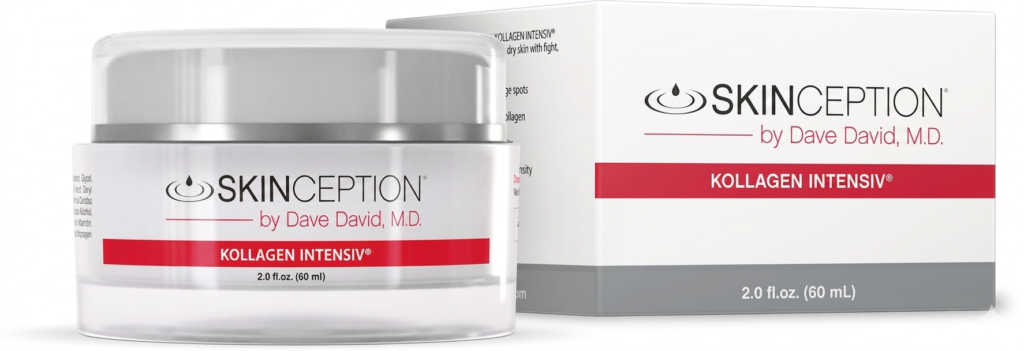
One option that has gained attention is Kollagen Intensiv, a skincare cream designed to support smoother, firmer-looking skin around the eyes and face.
Its formula contains ingredients selected to help moisturise the skin and support a more youthful-looking appearance. When used consistently alongside good skincare habits, sun protection, adequate sleep, and a balanced lifestyle, it may help improve the overall look of the delicate eye area.
If you’re curious about adding another step to your routine, it’s worth learning more about how the ingredients work and whether they’re a good fit for your skincare goals.
Myth vs. Fact
Myth: Eye creams can completely erase wrinkles.
Fact: No skincare product can permanently remove wrinkles, but moisturising formulas may improve the appearance of fine lines by helping the skin look smoother and better hydrated.
Myth: Puffy eyes are only caused by ageing.
Fact: Sleep quality, allergies, hydration, diet, and temporary fluid retention can all influence puffiness.
Myth: More expensive skincare always works better.
Fact: Consistency, suitable ingredients, and healthy daily habits often matter more than price alone.
Myth: Genetics determine everything.
Fact: Genetics certainly play a role, but lifestyle choices can also influence how your skin looks over time.
Small Daily Changes Can Make a Big Difference
If you’re noticing changes around your eyes, there’s no need to overhaul your entire routine overnight.
Instead, focus on simple habits like the following:
- Sleeping consistently
- Staying hydrated
- Wearing sunscreen
- Avoiding excessive eye rubbing
- Eating a balanced diet
- Moisturizing daily
- Taking regular screen breaks
- Choosing gentle skincare
Around this point, many readers also begin looking for skincare products that complement these healthy habits. If you’d like to explore an option designed to support smoother, healthier-looking skin around the eyes, you can learn more about Kollagen Intensiv through the link below and see whether it aligns with your skincare routine.
Frequently Asked Questions
Can daily habits really affect how my eyes look?
Yes. While genetics and natural ageing play important roles, everyday habits such as sleep, hydration, sun protection, and skincare can influence the appearance of the delicate eye area.
Does drinking more water remove wrinkles?
Water alone won’t eliminate wrinkles, but proper hydration supports normal skin function and may help skin appear healthier.
Is sunscreen necessary around the eyes?
Protecting the surrounding skin from UV exposure can help reduce premature signs of ageing. Use products suitable for sensitive skin and avoid getting sunscreen directly into the eyes.
How long does it take to notice improvements?
Healthy habits generally produce gradual improvements rather than overnight changes. Consistency is key.
Can skincare replace healthy habits?
Not completely. The best results usually come from combining a consistent skincare routine with healthy lifestyle choices.
Key Takeaways
- Daily habits influence the appearance of the eye area more than many people realise.
- Sleep, hydration, nutrition, and sun protection all contribute to healthier-looking skin.
- Gentle skincare often works better than harsh routines.
- Consistency usually delivers better long-term results than quick fixes.
- Supportive skincare products can complement healthy lifestyle habits.
Final Thoughts
Your eyes often become the focal point of your face, making even small improvements feel meaningful. While it’s impossible to stop time, many everyday habits can help your eye area appear brighter, smoother, and more refreshed over time.
Instead of chasing instant results, focus on building sustainable routines that support healthy-looking skin day after day.
If you’d like to take the next step, you can learn more about Kollagen Intensiv by clicking the affiliate link below. Explore the ingredients, see how it fits into your skincare routine, and decide whether it’s the right addition to your daily regimen. The most lasting improvements usually come from combining smart habits with consistent skincare—and that’s a strategy worth investing in.
⭐⭐⭐⭐⭐ Trusted by Thousands of Happy Customers • 67-Day Money-Back Guarantee