The subtle shifts around your eyes often begin long before you notice them—and understanding why can help you protect a fresher, healthier-looking appearance.

Have you ever looked in the mirror and wondered why your eyes suddenly seem more tired, older, or less vibrant—even though you haven’t changed your skincare routine?
You’re not imagining it.
The skin around your eyes is one of the first places to reveal subtle changes, yet it’s also one of the least understood areas of the face. Many people focus on wrinkles alone, but eye area changes involve far more than fine lines. Hydration, collagen levels, lifestyle habits, environmental exposure, and even daily facial expressions all play a role.
The good news is that understanding what’s happening beneath the surface can help you make smarter skincare choices before those small changes become more noticeable.
Let’s explore what nobody explains about eye area changes—and what you can do to support healthier-looking skin.
Why Eye Area Changes Matter More Than You Think
The eye area contains some of the thinnest skin on the body. Because it’s naturally delicate, it has fewer oil glands and experiences constant movement from blinking, smiling, squinting, and facial expressions.
As the years pass, these everyday movements combine with natural collagen decline, making this area especially vulnerable.
Common changes include:
- Skin that appears thinner
- A loss of firmness
- Fine lines becoming more visible
- A tired-looking appearance
- Puffiness after waking
- Dryness and rough texture
Many people assume these changes happen overnight, but they usually develop gradually over months or even years.
Why Most People Don’t Notice the Early Signs
One reason eye area changes often come as a surprise is because they happen so slowly.
Your brain adjusts to your reflection every day, making gradual differences difficult to recognise.
Instead of one dramatic change, you may notice:
- Makeup no longer sitting as smoothly.
- Concealer settling into fine lines.
- Eyes looking less refreshed in photographs.
- Increased dryness despite using moisturiser.
- The skin feels less elastic than before.
These subtle clues often appear well before deeper wrinkles develop.
The Everyday Habits That Quietly Influence Your Eye Area
Many daily routines have a greater impact than people realise.
Sun Exposure
Ultraviolet rays accelerate collagen breakdown throughout the skin.
Even short periods outdoors without adequate protection can gradually contribute to visible ageing around the eyes.
Wearing sunglasses and applying sunscreen around the orbital bone can help protect this delicate area.
Poor Sleep Quality
Sleep is when much of your body’s natural repair processes occur.
Consistently poor sleep may contribute to:
- Puffiness
- Dull-looking skin
- Reduced skin recovery
- More noticeable under-eye shadows
Quality sleep supports healthier-looking skin over time.
Dehydration
Hydrated skin generally appears smoother and more resilient.
When skin lacks moisture, fine lines may become temporarily more noticeable.
Drinking enough water and using hydrating skincare ingredients can make a visible difference in skin texture.

Repetitive Facial Movements
Smiling, laughing, and blinking are completely normal—and should never be avoided.
However, repeated muscle movement over many years naturally contributes to expression lines, especially when collagen levels decline.
Common Mistakes That Can Make Eye Area Changes More Noticeable
Sometimes it’s not what you’re doing—it’s what you’re overlooking.
Some of the most common mistakes include:
- Using harsh cleansers that strip moisture.
- Rubbing the eye area aggressively.
- Forgetting daily sun protection.
- Skipping moisturiser because the skin feels oily elsewhere.
- Expecting instant results from skincare products.
- Ignoring overall lifestyle habits like nutrition and sleep.
Healthy-looking skin is usually the result of consistent habits rather than one miracle product.

The Science Behind Collagen and Eye Area Appearance
Collagen is one of the primary structural proteins that helps skin remain firm and resilient.
Beginning in adulthood, collagen production gradually slows as part of the natural ageing process.
This doesn’t mean skin suddenly becomes unhealthy—it simply means it may not bounce back as quickly as it once did.
At the same time:
- Skin turnover gradually slows.
- Moisture retention may decrease.
- Elasticity naturally changes.
- Environmental damage accumulates.
Together, these factors can make the eye area appear older than the rest of the face.
Practical Ways to Support Healthier-Looking Skin Around Your Eyes
Small, consistent habits often produce the most meaningful long-term improvements.
Consider incorporating practices like the following:
- Wearing SPF every day.
- Choosing gentle skincare products.
- Keeping the eye area moisturised.
- Prioritising quality sleep.
- Eating a balanced diet rich in antioxidants.
- Staying hydrated throughout the day.
- Wearing sunglasses outdoors.
- Avoiding unnecessary rubbing or tugging.
These habits work together to support healthier-looking skin over time.
Why Many People Overlook This Issue
Many skincare conversations focus almost entirely on wrinkles.
But the appearance of the eye area depends on multiple factors working together.
People often overlook the following:
- Skin hydration
- Skin barrier health
- Collagen support
- Daily UV exposure
- Sleep habits
- Nutrition
- Long-term consistency
Because these changes develop gradually, they’re easy to dismiss until they become much more noticeable.
That’s why prevention is often more effective than trying to reverse years of accumulated changes.

Supporting Your Routine with Targeted Skincare
While healthy lifestyle habits provide the foundation, many people also choose products specifically formulated for mature-looking skin around the eyes.
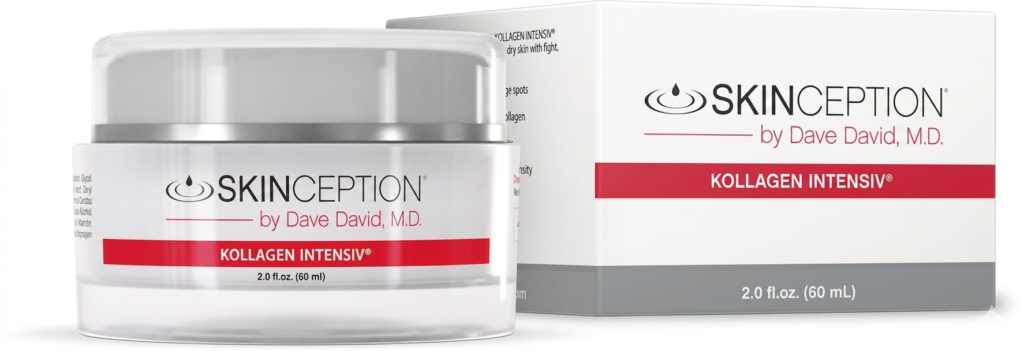
One option that has gained attention is Kollagen Intensiv.
Rather than promising unrealistic overnight transformations, it is designed to support the appearance of smoother, healthier-looking skin by helping improve hydration and promoting a more youthful-looking complexion as part of a consistent skincare routine.
Used alongside daily sun protection, gentle cleansing, and healthy habits, it may complement an overall approach to caring for delicate eye area skin.
If you’re curious, it’s worth learning more about how its ingredients work and whether it fits your skincare goals.
Myth vs. Fact

Myth: Only older adults experience eye area changes.
Fact: Small changes often begin much earlier than people expect, although they become more noticeable over time.
Myth: Expensive skincare automatically works better.
Fact: Consistency, appropriate ingredients, and daily habits usually matter more than price alone.
Myth: Drinking water alone removes under-eye concerns.
Fact: Hydration helps support healthy skin, but collagen, sun exposure, genetics, skincare, and lifestyle also influence appearance.
Myth: Eye creams solve every problem.
Fact: Skincare works best when combined with healthy daily habits and realistic expectations.
Frequently Asked Questions
Why does the skin around the eyes age faster?
The skin is thinner, contains fewer oil glands, and moves constantly through blinking and facial expressions, making changes easier to notice over time.
Can lifestyle really affect eye appearance?
Yes. Sleep quality, hydration, nutrition, stress, and sun exposure all influence how refreshed the eye area looks.
Is it ever too early to care for the eye area?
Not at all. Building healthy skincare habits early can help support healthier-looking skin in the future.
Can collagen support healthier-looking skin?
Collagen naturally provides structural support for skin. As production gradually declines with age, skincare designed to support hydration and skin appearance may help complement a healthy routine.
How long should I stick with a skincare routine?
Most skincare products require consistent use over several weeks before gradual improvements become easier to notice.
Key Takeaways
- Eye area changes often begin gradually rather than suddenly.
- Thin skin makes the eye area especially vulnerable.
- Daily habits have a significant long-term impact.
- Sun protection remains one of the most valuable skincare habits.
- Hydration and collagen support both contribute to healthier-looking skin.
- Prevention and consistency are more effective than chasing quick fixes.
- Targeted skincare products can complement healthy lifestyle choices.

Final Thoughts
What nobody explains about eye area changes is that they rarely come down to a single cause.
Instead, they’re the result of many small factors working together over time—natural ageing, collagen decline, hydration, sun exposure, lifestyle habits, and daily skincare choices.
The encouraging news is that small improvements made consistently can add up to meaningful long-term benefits. Protecting your skin, nourishing it with the right ingredients, and maintaining realistic expectations are often the keys to keeping your eye area looking its best.
If you’d like to explore a skincare option specifically formulated to support healthier-looking skin around the eyes, Kollagen Intensiv may be worth considering. Learn more through the link below and see whether it aligns with your skincare goals. Sometimes the biggest difference comes from understanding your skin—and giving it the consistent care it deserves.
⭐⭐⭐⭐⭐ Trusted by Thousands of Happy Customers • 67-Day Money-Back Guarantee