Discover the ingredients that can help your under-eye area look smoother, firmer, and more refreshed—while avoiding the common mistakes that often make eye bags appear more noticeable.

The frustrating part? Many people spend hundreds of dollars trying different eye creams without understanding which ingredients actually matter. Beautiful packaging and clever marketing often overshadow the science behind effective skincare.
If you’ve been wondering why some products seem to work better than others, you’re not alone.
Understanding the best eye care ingredients for eye bags can help you make smarter skincare choices and build a routine that supports healthier-looking skin around your eyes. While no ingredient can permanently remove structural eye bags, several can noticeably improve hydration, firmness, puffiness, and the overall appearance of the delicate eye area.
Let’s explore what really deserves a place in your skincare routine.

Why Eye Bags Develop in the First Place
Eye bags rarely have a single cause.
Instead, they usually develop from a combination of factors that gradually affect the skin around your eyes.
Common contributors include:
- Natural collagen loss with age
- Thinning skin
- Fluid retention
- Poor sleep habits
- Sun exposure
- Allergies
- Genetics
- Smoking
- Chronic dehydration
- High salt intake
Because several factors often work together, improving the appearance of eye bags usually requires a combination of healthy habits and targeted skincare ingredients.
Why Choosing the Right Ingredients Matters
The skin beneath your eyes is among the thinnest anywhere on your body.
That means it’s often the first area to reveal changes in hydration, elasticity, circulation, and collagen production.
Instead of choosing products based solely on branding, focusing on proven ingredients gives your skincare routine a much better chance of supporting smoother, healthier-looking skin.

Ingredients That Can Help Improve the Appearance of Eye Bags
Hyaluronic Acid
One of the most respected hydration ingredients in skincare, hyaluronic acid attracts and holds moisture within the skin.
Proper hydration helps the under-eye area appear:
- Plumper
- Smoother
- Less crepey
- More refreshed
While it won’t eliminate true fat pads beneath the eyes, hydrated skin often reflects light better, making eye bags appear less noticeable.
Peptides
Peptides are short chains of amino acids that support the skin’s natural renewal processes.
Many peptide-based eye products are designed to help improve the appearance of:
- Firmness
- Elasticity
- Fine lines
- Skin texture
Over time, firmer skin can make under-eye puffiness appear less prominent.
Caffeine
Caffeine remains one of the most popular ingredients for temporary morning puffiness.
It may help by:
- Reducing the appearance of swelling
- Supporting microcirculation
- Refreshing tired-looking eyes
This is why caffeine eye serums are often recommended before work, special events, or after a restless night.
Vitamin C
Vitamin C offers several benefits for the delicate eye area.
It helps support:
- Brighter-looking skin
- Protection from environmental stressors
- Healthy collagen production
A brighter under-eye area often draws less attention to eye bags while improving the overall appearance of the face.
Niacinamide
Niacinamide, also known as vitamin B3, has become a favourite among dermatologists because it’s gentle yet versatile.
It may help improve:
- Skin barrier function
- Moisture retention
- Uneven skin tone
- Overall skin texture
For sensitive under-eye skin, niacinamide often pairs well with hydrating ingredients.

Ceramides
Healthy skin needs a strong moisture barrier.
Ceramides naturally occur within the skin and help lock in hydration.
Products containing ceramides may help reduce dryness that can exaggerate under-eye creases and make eye bags appear more pronounced.
Antioxidants
Environmental damage can gradually affect the appearance of the skin around your eyes.
Antioxidants such as the following:
- Green tea extract
- Vitamin E
- Resveratrol
- Coenzyme Q10
help defend against everyday oxidative stress while supporting healthier-looking skin over time.
Common Mistakes That Make Eye Bags Look Worse
Sometimes the biggest problem isn’t what you’re using—it’s what you’re doing.
Common mistakes include:
- Rubbing the eyes frequently
- Sleeping face down
- Using harsh cleansers
- Skipping sunscreen
- Not removing makeup completely
- Applying too much product
- Ignoring hydration
- Expecting overnight results
Consistency almost always produces better long-term improvements than constantly switching products.

Why Many People Overlook This Issue
Many people focus exclusively on wrinkles while overlooking the importance of skin quality beneath the eyes.
However, hydration, elasticity, and barrier health often influence how noticeable eye bags appear.
Another overlooked factor is patience.
Healthy-looking skin develops gradually. Even well-formulated skincare products generally require consistent use over several weeks before visible improvements become noticeable.
Small daily habits often create the biggest long-term difference.
Lifestyle Habits That Support Healthier-Looking Eyes
Skincare works best when paired with healthy lifestyle choices.
Simple habits include:
- Getting consistent sleep
- Drinking enough water
- Limiting excessive sodium
- Wearing sunglasses outdoors
- Applying sunscreen daily
- Managing seasonal allergies
- Sleeping with your head slightly elevated if fluid retention is an issue
- Eating a balanced diet rich in colorful fruits and vegetables
Together, these habits help support healthier-looking skin from the inside out.
A Natural Addition to Your Eye Care Routine
If you’re looking to complement a consistent skincare routine, products that combine collagen-supporting ingredients with deep hydration may be worth considering.
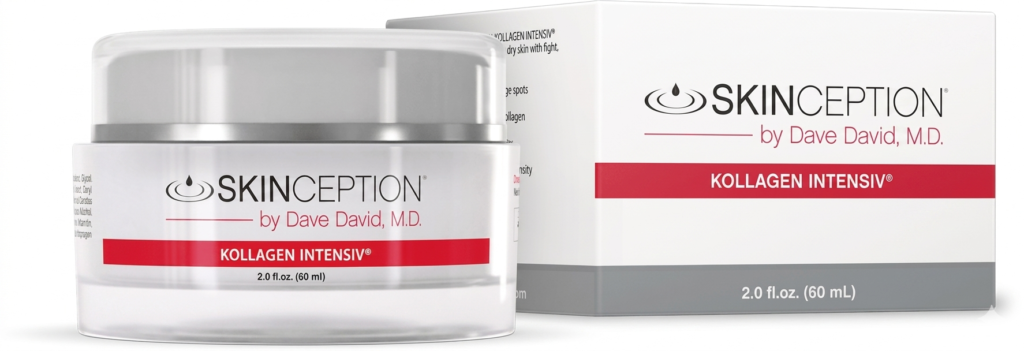
One option many people choose is Kollagen Intensiv.
Rather than promising unrealistic overnight transformations, Kollagen Intensiv is designed to support smoother, firmer, and healthier-looking skin by combining moisturising ingredients with peptides and other skin-supporting compounds. Many users include it as part of their daily routine to help improve the appearance of fine lines and tired-looking under-eye skin over time.
If you’re curious whether it might fit your skincare goals, it’s worth learning more about the ingredients and how they work together before deciding if it’s right for you.
Myth vs. Fact

Myth: Eye bags are only caused by lack of sleep.
Fact: Sleep is just one factor. Genetics, ageing, allergies, fluid retention, and collagen loss often play important roles.
Myth: The strongest eye cream is always the best.
Fact: Gentle, consistent care is usually more beneficial than aggressive products that irritate delicate skin.
Myth: Expensive products automatically work better.
Fact: Ingredient quality matters far more than luxury packaging or price.
Myth: Results should appear after one application.
Fact: Most skincare improvements happen gradually through consistent daily use.
Frequently Asked Questions

Can skincare permanently remove eye bags?
No. Structural eye bags caused by fat deposits or genetics cannot usually be permanently removed with skincare alone. However, many products can noticeably improve hydration, firmness, and overall appearance.
Which ingredient works fastest for morning puffiness?
Caffeine is often the quickest option for temporarily reducing the appearance of puffiness.
Is hyaluronic acid safe around the eyes?
Yes. Hyaluronic acid is widely used because it provides lightweight hydration and is generally suitable for delicate skin.
At what age should I start using eye care products?
Many skincare professionals recommend starting preventative eye care in your twenties or thirties, although it’s never too late to begin.
Can lifestyle changes really make a difference?
Absolutely. Sleep, hydration, sun protection, and nutrition all influence how refreshed the eye area appears over time.
Key Takeaways
- Eye bags usually develop from multiple factors rather than a single cause.
- Hydration plays a major role in improving the appearance of the under-eye area.
- Peptides, hyaluronic acid, caffeine, niacinamide, ceramides, antioxidants, and vitamin C are among the most beneficial ingredients.
- Daily habits work alongside skincare to support healthier-looking eyes.
- Consistency delivers better results than constantly changing products.

Final Thoughts
Finding the best eye care ingredients for eye bags isn’t about chasing miracle products—it’s about understanding what your skin truly needs.
When you choose ingredients backed by research, protect your skin from everyday damage, and stay consistent with your routine, you’re giving the delicate eye area the support it deserves.
If you’d like to explore a skincare option that combines hydration with collagen-supporting ingredients, take a closer look at Kollagen Intensiv through the link below. Learning more about its formula can help you decide whether it’s a good fit for your daily routine and your long-term skincare goals.
Healthy-looking eyes aren’t built overnight, but the right ingredients, used consistently, can help you look as refreshed as you feel.
⭐⭐⭐⭐⭐ Trusted by Thousands of Happy Customers • 67-Day Money-Back Guarantee