The surprising everyday habits and hidden skin changes that can make your eye area age faster—and what you can do to help it look brighter, smoother, and more refreshed.
The first signs of aging rarely appear evenly across your face. In fact, many people notice something frustrating long before wrinkles become obvious elsewhere—they look in the mirror and wonder why their eyes seem older than the rest of their face.
If you’ve ever thought you looked tired despite getting enough sleep, or noticed that concealer no longer hides dark circles and fine lines as well as it once did, you’re not imagining it. The skin around your eyes is often the first area to reveal subtle changes.
The good news? Understanding why your eyes look older than the rest of your face can help you make smarter skincare choices and develop habits that support healthier-looking skin over time.
Let’s explore what’s really happening—and what you can do about it.

Why This Topic Matters
Your eyes naturally draw attention during every conversation. They’re one of the first features people notice, which means even small changes around this delicate area can influence your overall appearance.
The skin surrounding your eyes is thinner and more delicate than the skin on other parts of your face. It also experiences constant movement from blinking, smiling, squinting, and expressing emotions throughout the day.
Over time, these normal processes, combined with environmental and lifestyle factors, may contribute to:
- Fine lines becoming more noticeable
- A less firm appearance
- Puffiness
- Darker-looking under-eye circles
- A tired or less refreshed look
Fortunately, many of these changes can be supported with consistent care and healthy daily habits.
Why the Eye Area Ages Differently
There isn’t just one reason your eyes may appear older.
Instead, several factors often work together.
Naturally Thin Skin
The skin beneath the eyes contains less collagen and fewer oil glands than many other facial areas. Because of this, it can lose moisture more easily and may show signs of dryness sooner.
As collagen production gradually slows with age, skin may appear less firm and fine lines can become easier to notice.
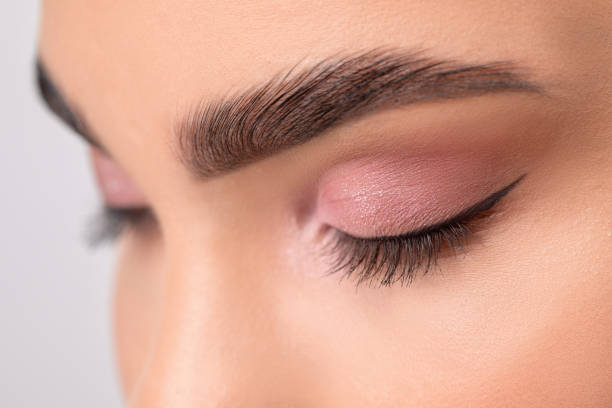
Constant Facial Movement
Every smile, blink, laugh, or squint involves the muscles around your eyes.
These repetitive expressions are completely normal, but over many years they can contribute to visible expression lines.
Environmental Exposure
Daily exposure to UV rays, pollution, dry air, and harsh weather may accelerate visible skin aging if the eye area isn’t properly protected.
That’s why wearing sunglasses and applying sunscreen around the eyes (when appropriate for the product) are often recommended parts of a healthy skincare routine.
Common Mistakes That Can Make Eyes Look Older
Many people unknowingly make small mistakes that affect how their eye area looks.
Some of the most common include the following:
- Rubbing the eyes too often
- Skipping sunscreen around the face
- Not removing makeup gently
- Using products that are too harsh
- Sleeping inconsistently
- Staying dehydrated
- Smoking
- Frequently squinting without corrective lenses if needed
None of these habits instantly age the skin, but together they may contribute to a less refreshed appearance over time.
Small improvements often produce noticeable long-term benefits.
Lifestyle Factors That Influence Eye Appearance
Healthy-looking skin isn’t determined by skincare alone.
Your everyday lifestyle plays a significant role.

Sleep Quality
Poor sleep doesn’t permanently age your skin overnight, but it can temporarily make dark circles and puffiness appear more noticeable.
Consistent, quality sleep allows your body to perform many normal repair processes.
Nutrition
A balanced diet rich in colorful fruits, vegetables, healthy fats, and protein provides nutrients that support overall skin health.
Foods containing antioxidants may also help protect skin from environmental stress.
Hydration
Dehydrated skin often looks dull and may make fine lines appear more visible.
Drinking enough water while using a good moisturiser helps maintain a healthier-looking skin barrier.
Stress
Chronic stress may affect sleep quality, skincare consistency, and other daily habits that influence how refreshed your face appears.
Managing stress isn’t just good for your overall health—it may also support healthier-looking skin.
Why Many People Overlook This Issue
One reason people wonder why their eyes look older than the rest of their face is because they focus on the wrong areas.
Many invest heavily in facial skincare while giving very little attention to the delicate eye area.
Others assume expensive makeup will solve the problem.
While makeup can certainly enhance your appearance, it doesn’t replace consistent skincare or healthy daily habits.
The eye area often benefits from targeted care because its needs differ from the rest of the face.
Recognizing this earlier can make your overall skincare routine more effective.
Practical Tips You Can Start Today
Improving the appearance of your eye area doesn’t require dozens of products.
Simple, consistent habits usually make the biggest difference.
Consider incorporating these practices:
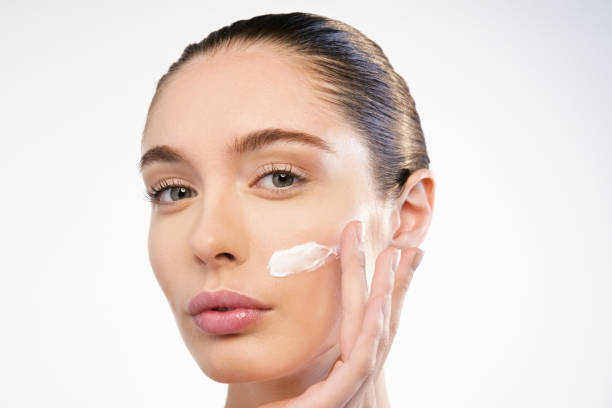
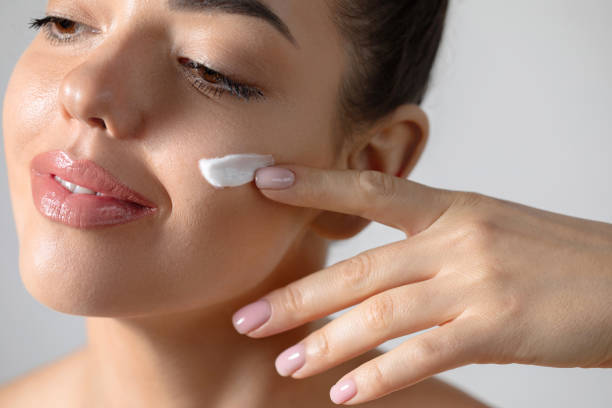
- Apply moisturizer gently using your ring finger.
- Wear sunglasses outdoors to reduce squinting.
- Use sunscreen daily.
- Remove makeup carefully without excessive rubbing.
- Prioritize consistent sleep.
- Stay hydrated.
- Eat a nutrient-rich diet.
- Avoid smoking whenever possible.
- Choose skincare formulated for the delicate eye area.
Remember that skincare works best with patience and consistency.
Visible improvements often happen gradually rather than overnight.
Supporting the Eye Area With Targeted Skincare
Even with healthy habits, many people choose to include an eye-focused skincare product as part of their daily routine.
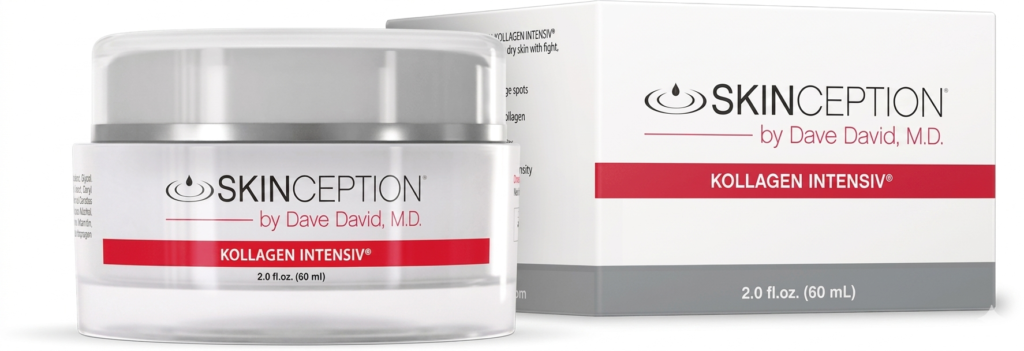
One option worth considering is Kollagen Intensiv.
Its formula is designed to support healthier-looking skin by helping improve the appearance of hydration and smoothness around delicate areas, including the eyes. Rather than replacing healthy habits, it can complement a well-rounded skincare routine focused on maintaining a more refreshed appearance.
If you’re already investing time in cleansing, moisturising, and protecting your skin from sun exposure, adding a targeted product may be a logical next step for supporting the appearance of the eye area over time.
Myth vs. Fact
Myth: Only older adults develop under-eye wrinkles.
Fact: Lifestyle, genetics, sun exposure, and facial expressions all influence when visible changes begin.
Myth: Drinking more water instantly removes wrinkles.
Fact: Hydration supports healthy-looking skin, but wrinkles develop from multiple factors including collagen changes and natural aging.
Myth: Expensive makeup fixes aging eyes.
Fact: Makeup can improve appearance temporarily, but long-term skin health depends on consistent skincare and healthy habits.
Myth: Nothing can be done once eyes begin looking older.
Fact: While ageing is natural, protecting the skin, maintaining healthy habits, and using appropriate skincare may help support a smoother, brighter appearance.
Frequently Asked Questions
Why do my eyes look older even though the rest of my skin looks fine?
The eye area has thinner skin, fewer oil glands, and experiences constant movement, making it one of the first places where visible changes often appear.
Can lack of sleep permanently age my eyes?
Occasional poor sleep usually causes temporary puffiness or dark circles rather than permanent aging. However, consistently poor sleep may contribute to an overall tired appearance.
Does sunscreen really help around the eyes?
Daily sun protection is one of the most effective ways to support healthy-looking skin. Choose products suitable for use around the eye area and follow the manufacturer’s directions.
Should I use a separate eye product?
Many people find that products specifically formulated for the delicate eye area complement their existing skincare routine, especially if they’re concerned about dryness or fine lines.
How long does it take to notice skincare improvements?
Results vary depending on the individual, the products used, and consistency. Healthy skincare habits typically require patience, with gradual improvements over weeks rather than days.
Key Takeaways
- The eye area naturally ages differently because the skin is thinner and more delicate.
- Daily habits have a significant impact on how refreshed your eyes appear.
- Sun protection, hydration, nutrition, and sleep all support healthier-looking skin.
- Gentle skincare is often more beneficial than aggressive treatments.
- Targeted products can complement an already consistent skincare routine.
Final Thoughts
If you’ve been wondering why your eyes look older than the rest of your face, you’re certainly not alone. The delicate skin around the eyes often reveals the earliest visible signs of ageing—but that doesn’t mean you’re powerless.
Small, consistent habits usually have a greater impact than dramatic quick fixes. Protecting your skin from the sun, staying hydrated, getting quality sleep, and using products designed for the unique needs of the eye area can all help support a brighter, smoother, and more refreshed appearance over time.
If you’d like to explore a skincare option specifically formulated to support healthier-looking skin around the eyes, Kollagen Intensiv may be worth learning more about. Click the affiliate link below to discover how it works, explore its ingredients, and decide whether it’s a good addition to your daily skincare routine.
Beautiful-looking skin isn’t about chasing perfection—it’s about making informed choices that help you feel confident every time you look in the mirror.
⭐⭐⭐⭐⭐ Trusted by 1000+ customers • 67-Day Money Back • 100% Guarantee