The overlooked reason your eyes may appear older than the rest of your face—and simple ways to help them look brighter, smoother, and more refreshed.
Have you ever looked in the mirror after a great night’s sleep and still thought your eyes looked tired?
You’re not alone.
Many people spend countless hours researching eye creams, serums, and makeup tricks, yet overlook one of the biggest influences on how youthful their eyes appear. While wrinkles and dark circles often receive the most attention, there’s another aging factor quietly affecting the delicate eye area that surprisingly few people discuss.
The good news? Once you understand what’s happening, there are practical steps you can take to support healthier-looking skin and help your eyes maintain a fresher, more vibrant appearance over time.
Let’s explore the aging factor that deserves far more attention.
Why the Eye Area Changes Faster Than You Think
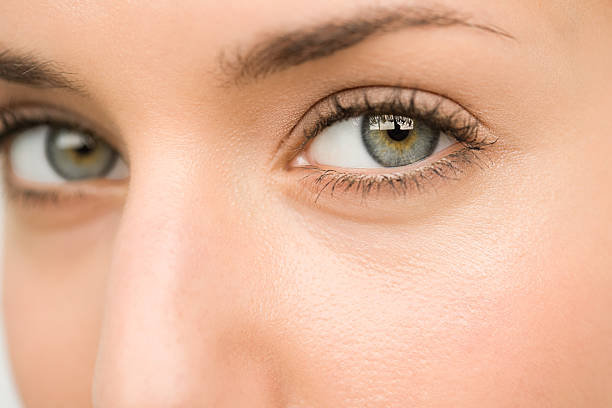
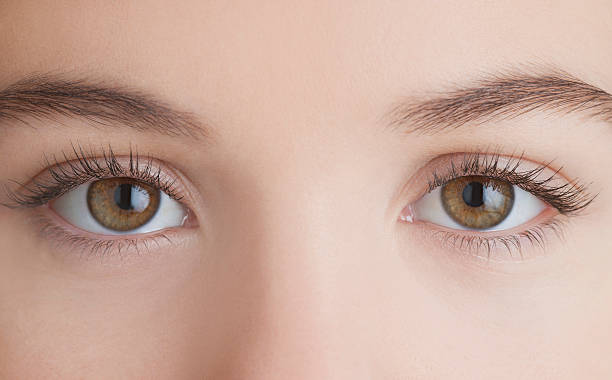
The skin around your eyes is naturally different from the rest of your face.
It is thinner, produces less oil, and experiences constant movement every time you blink, smile, laugh, or squint. Over thousands of facial expressions every day, this delicate area gradually shows signs of wear sooner than many other parts of the face.
However, movement alone isn’t the entire story.
One of the most overlooked contributors to eye aging is the gradual decline in your skin’s ability to stay firm, resilient, and well-supported beneath the surface.
When this support system becomes less efficient, the eye area may begin to appear:
- Less firm
- More creased
- Slightly hollow
- Puffier after waking
- Less radiant than before
These subtle changes often happen slowly, making them easy to miss until they become more noticeable.
Why This Matters More Than Most People Realize
Your eyes are usually the first feature people notice.
Even if the rest of your complexion looks healthy, changes around the eyes can influence how energetic, well-rested, or youthful your overall appearance seems.
Many people immediately blame aging itself.
In reality, lifestyle choices often have just as much influence as the passing years.
Small daily habits repeated consistently can either support healthier-looking skin or gradually work against it.
Understanding those habits gives you more control than you might think.
The Hidden Lifestyle Factors That Affect Eye Appearance
Several everyday factors can influence how the skin around your eyes looks over time.
Sun Exposure
Ultraviolet rays are one of the biggest contributors to visible skin aging.
Because the eye area is so delicate, repeated exposure without sunglasses or SPF can gradually affect the skin’s appearance.
Poor Sleep Quality
It’s not simply about sleeping longer.
Consistent, restorative sleep allows your body to perform many natural repair processes that support healthy-looking skin.
Interrupted sleep may leave your eyes looking dull or puffy the following morning.
Chronic Dehydration
When skin lacks adequate hydration, fine lines often become more noticeable.
While drinking water isn’t a miracle solution, maintaining good hydration supports overall skin health.
Frequent Eye Rubbing
Many people rub their eyes because of allergies, tiredness, or habit.
Unfortunately, repeated friction can place unnecessary stress on delicate skin.
Gentle care is always the better option.
Everyday Stress
Long-term stress may influence overall skin appearance through several biological pathways.
Although stress affects everyone differently, managing it can contribute to healthier-looking skin over time.
The Eye Aging Factor Few People Talk About
One of the least discussed aspects of eye aging is how the skin’s natural support network changes over time.
As we age, our skin gradually produces lower amounts of structural proteins that help maintain firmness and elasticity.
This natural process doesn’t happen overnight.
Instead, it develops gradually over many years.
Because the changes are subtle, many people continue buying stronger makeup or heavier concealers rather than addressing the underlying appearance of the skin itself.
Supporting the skin with a consistent skincare routine often produces a more natural-looking improvement than simply trying to cover visible concerns.
Common Mistakes That May Be Making Things Worse
Many people unknowingly make choices that can leave the eye area looking less refreshed.
Some of the most common include the following:
- Using harsh skincare products too close to the eyes.
- Applying excessive pressure while removing makeup.
- Skipping sunscreen around the orbital bone.
- Frequently changing skincare products before giving them time to work.
- Forgetting that healthy skin reflects consistent daily habits—not overnight fixes.
Small adjustments often make a noticeable difference over time.
Why So Many People Overlook This Issue
Visible wrinkles usually receive all the attention.
However, the overall quality of the skin surrounding the eyes often influences appearance even more.
Healthy-looking eye skin isn’t simply about reducing one specific concern.
It’s about supporting:
- Smoothness
- Hydration
- Elasticity
- Skin barrier health
- Overall brightness
When these work together, the eye area often appears naturally more refreshed.
That’s why focusing on overall skin health tends to deliver better long-term results than chasing individual symptoms.
Myth vs. Fact

Myth: Expensive makeup can reverse eye aging.
Fact: Makeup can temporarily improve appearance, but it doesn’t change the condition of the skin underneath.
Myth: Eye aging is completely determined by genetics.
Fact: Genetics certainly play a role, but daily habits, skincare consistency, sun protection, and lifestyle choices also influence how your skin looks over time.
Myth: Only older adults need eye care.
Fact: Preventive skincare habits started earlier may help support healthier-looking skin as the years pass.
Myth: More products always produce better results.
Fact: Consistency with a simple, well-chosen routine often works better than constantly switching products.
Practical Ways to Support Younger-Looking Eyes
The good news is that healthy-looking skin often responds well to consistent daily care.
Consider incorporating habits such as the following:
- Wearing UV-protective sunglasses outdoors.
- Applying sunscreen every morning.
- Sleeping on a regular schedule.
- Staying hydrated throughout the day.
- Eating a balanced diet rich in colorful fruits and vegetables.
- Using gentle skincare products designed for the delicate eye area.
- Avoiding unnecessary rubbing or stretching of the skin.
These habits won’t stop natural aging, but they can help support healthier-looking skin over time.
A Skincare Option Worth Considering
If you’re looking to complement healthy lifestyle habits, using a targeted eye skincare product may also be beneficial.
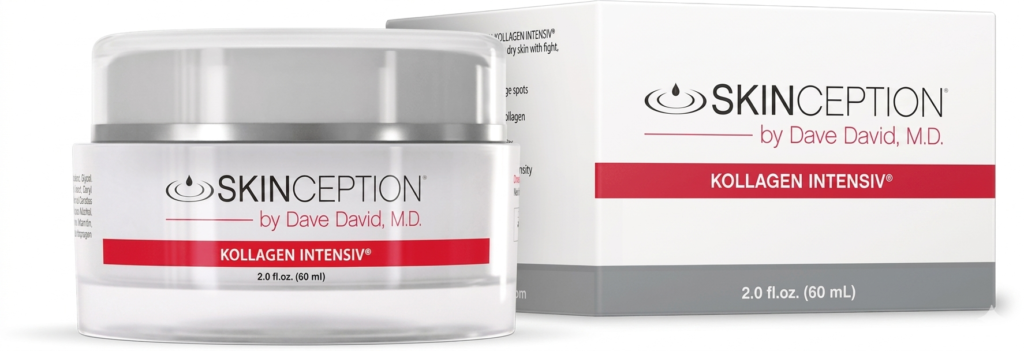
One option many people choose is Kollagen Intensiv.
Rather than promising unrealistic transformations, it is designed to support the appearance of smoother, healthier-looking skin around the eyes through ingredients selected to help moisturize and improve the look of the delicate eye area.
When paired with consistent skincare habits, daily sun protection, and healthy lifestyle choices, products like Kollagen Intensiv can become part of a well-rounded routine focused on maintaining a refreshed appearance.
If you’re curious about how it works and whether it could fit into your own skincare routine, it’s worth learning more before deciding if it’s right for you.
Frequently Asked Questions

Why do my eyes look older even when the rest of my face doesn’t?
Because the skin around the eyes is much thinner and experiences constant movement, it often develops visible changes earlier than other facial areas.
Can lifestyle habits really affect eye aging?
Yes. Sun exposure, sleep quality, hydration, skincare consistency, and daily habits can all influence the appearance of the eye area over time.
Does eye cream replace a healthy lifestyle?
No. Skincare products work best alongside healthy habits, including sun protection, good sleep, proper hydration, and a balanced diet.
How long does it take to notice improvements?
Everyone’s skin is different. Consistency is generally more important than expecting immediate results, and healthy skincare routines often require patience.
Should I start caring for my eye area before wrinkles appear?
Many skincare professionals recommend developing gentle preventive habits early, as maintaining healthy-looking skin is often easier than trying to address visible changes later.

Key Takeaways
- The delicate eye area often shows visible aging before the rest of the face.
- Loss of natural skin support is one of the most overlooked contributors to an older-looking appearance.
- Daily habits have a significant influence on how your eyes look over time.
- Consistent skincare and sun protection usually matter more than searching for quick fixes.
- Supporting overall skin health often produces the most natural-looking results.
Final Thoughts
The biggest eye-aging factor isn’t necessarily something you’ll notice overnight—and that’s exactly why so many people overlook it.
Healthy-looking eyes are rarely the result of one miracle product or one perfect habit. Instead, they reflect the cumulative effect of thoughtful skincare, healthy daily routines, sun protection, and patience.
If you’re ready to give the delicate skin around your eyes a little more attention, consider exploring solutions that work alongside those healthy habits. Kollagen Intensiv is one option that many people include as part of their daily skincare routine to help support smoother, more refreshed-looking skin around the eyes.
If you’d like to learn more about how Kollagen Intensiv works, click the affiliate link below to explore its ingredients, benefits, and whether it may be a good fit for your skincare goals.
Remember: the smallest daily habits often create the biggest visible differences over time—and caring for your eyes today is an investment your future self will appreciate.
⭐⭐⭐⭐⭐ Trusted by Thousands of Happy Customers • 67-Day Money-Back Guarantee