Small daily habits can have a bigger impact on the appearance of your eyes than many people realize. Learn what to avoid and what you can do to help your eye area look smoother, brighter, and more refreshed.
The skin around your eyes is often the first place to reveal the effects of time, stress, and everyday habits. Even people who carefully follow a skincare routine sometimes notice that their eyes appear more tired than the rest of their face.
The good news is that many of the factors that contribute to an older-looking eye area are surprisingly manageable. While aging is a natural process that no product or routine can completely stop, understanding the most common mistakes can help you support healthier-looking skin and maintain a fresher appearance over time.
Let’s explore eight mistakes that can unintentionally emphasize eye aging—and what you can do instead.

Why Your Eye Area Ages Differently
The skin surrounding your eyes is thinner and more delicate than skin on most other parts of your face. It contains less oil-producing tissue and experiences constant movement every time you smile, blink, or squint.
Over time, natural collagen production gradually declines. Combined with environmental exposure and lifestyle choices, this can make fine lines, puffiness, uneven texture, and dark circles more noticeable.
Fortunately, small improvements to your daily habits can make a meaningful difference.
Mistake #1: Rubbing Your Eyes Too Often
Many people rub their eyes without thinking, especially during allergy season or after long hours looking at screens.
Repeated rubbing can:
- Irritate delicate skin
- Increase temporary puffiness
- Contribute to broken capillaries
- Make the eye area appear more fatigued

What to Do Instead
If your eyes feel itchy or irritated, try using lubricating eye drops (if appropriate for you), treat allergies as advised by your healthcare provider, and gently pat rather than rub the skin.
Mistake #2: Forgetting Daily Sun Protection
Sun exposure is one of the biggest external contributors to visible skin aging.
Ultraviolet (UV) rays can accelerate the breakdown of collagen and elastin, making wrinkles and uneven skin texture more noticeable over time.
Better Habit
Consider:
- Wearing sunglasses outdoors
- Applying a broad-spectrum sunscreen around the face (following product directions and avoiding direct contact with the eyes)
- Wearing a wide-brimmed hat during extended outdoor activities
These simple habits help reduce cumulative sun exposure year after year.

Mistake #3: Neglecting Hydration
Dry skin often makes fine lines appear more noticeable.
Although drinking water alone won’t erase wrinkles, staying well hydrated supports overall skin function. Pairing healthy hydration with a moisturizer designed for the delicate eye area may help improve the look of dryness.
Look for ingredients such as:
- Hyaluronic acid
- Glycerin
- Ceramides
- Peptides
These ingredients help support moisture retention and improve the appearance of smoother skin.
Mistake #4: Getting Too Little Sleep
Sleep is when your body carries out many natural repair processes.
Consistently poor sleep may contribute to:
- Puffy-looking eyes
- Darker under-eye shadows
- Dull-looking skin
- A more tired appearance
Practical Tips
Try to:
- Maintain a regular bedtime
- Limit screen exposure before bed
- Sleep on your back if facial puffiness is a concern
- Keep your bedroom cool and comfortable
Even small improvements in sleep habits can benefit your overall appearance.

Mistake #5: Ignoring Your Overall Diet
Healthy-looking skin isn’t supported by skincare alone.
A balanced diet rich in colorful fruits, vegetables, healthy fats, and adequate protein provides nutrients that help maintain normal skin structure.
Foods containing:
- Vitamin C
- Vitamin E
- Omega-3 fatty acids
- Zinc
- Antioxidants
can all play a role in supporting healthy skin as part of an overall balanced diet.
Highly processed foods and excess added sugars, on the other hand, may contribute to changes in skin appearance over time.
Mistake #6: Using Products That Are Too Harsh
More isn’t always better.
Using multiple strong exfoliants or irritating products around the eyes can compromise the skin barrier and leave the area looking dry or irritated.
A Gentler Approach
Choose products formulated specifically for the delicate eye area and introduce new skincare gradually. If irritation occurs, reduce frequency or discontinue use according to the product’s instructions.
Consistency is usually more beneficial than using many aggressive treatments at once.

Mistake #7: Spending Hours Looking at Screens Without Breaks
Digital devices have become part of everyday life, but prolonged screen time often leads to increased squinting and reduced blinking.
This can temporarily contribute to:
- Dry-feeling eyes
- Eye strain
- A tired facial expression
Try the 20-20-20 rule: every 20 minutes, look at something about 20 feet away for 20 seconds. Taking regular breaks may help reduce eye strain throughout the day.
Mistake #8: Expecting Overnight Results
Many people try a skincare product for only a few days before deciding it doesn’t work.
In reality, improvements in skin appearance typically take time. Consistency with gentle cleansing, moisturizing, sun protection, and healthy lifestyle habits is far more important than constantly switching products.
Patience often produces better long-term results than chasing quick fixes.
Why Many People Overlook These Habits
Most conversations about eye aging focus on expensive treatments or dramatic before-and-after photos.
However, everyday behaviors often receive far less attention despite influencing how refreshed the eye area appears.
Small choices repeated consistently—protecting your skin from the sun, sleeping well, moisturizing regularly, and treating the delicate eye area gently—can all contribute to healthier-looking skin over time.
Myth vs. Fact

Myth: Eye creams can completely erase wrinkles.
Fact: No topical product can permanently eliminate wrinkles. Some ingredients may help improve the appearance of fine lines by supporting hydration and temporarily smoothing the skin.
Myth: Only older adults need to care for the eye area.
Fact: Preventive skincare habits can benefit adults of many ages.
Myth: Expensive products always work better.
Fact: Ingredient quality, consistency, and a routine that suits your skin are often more important than price alone.
Where a Targeted Eye Cream May Fit Into Your Routine
While healthy lifestyle habits provide the foundation for maintaining youthful-looking skin, some people also choose to include a dedicated eye cream in their daily skincare routine.
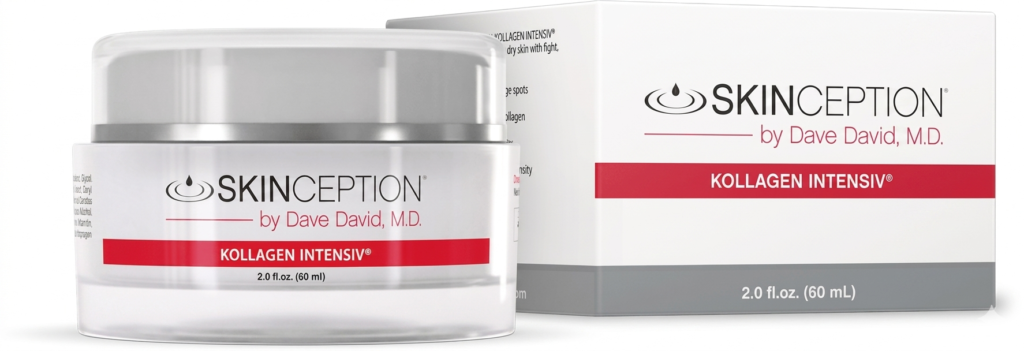
Products such as Kollagen Intensiv are formulated specifically for the delicate skin around the eyes and may help improve the appearance of hydration and smoother-looking skin when used consistently as directed. Like any skincare product, results vary from person to person, and it works best alongside habits such as sun protection, adequate sleep, and gentle skincare rather than as a replacement for them.

Frequently Asked Questions
Can eye aging be reversed?
Natural aging cannot be reversed, but consistent skincare and healthy lifestyle habits may help improve the appearance of the skin and slow the development of visible signs of aging.
What causes under-eye wrinkles?
A combination of natural collagen loss, repeated facial expressions, sun exposure, dry skin, and genetics can all contribute.
Is sunscreen safe around the eyes?
Use sunscreen according to the manufacturer’s directions and avoid getting it directly into the eyes. Many people also wear sunglasses to provide additional protection.
Does drinking more water remove dark circles?
Hydration supports overall skin health, but dark circles can have many causes, including genetics, allergies, sleep habits, and pigmentation.
When should I start caring for the eye area?
It’s never too early to develop healthy skincare habits. Gentle cleansing, moisturizing, and daily sun protection can support skin health at any adult age.
Key Takeaways
- The eye area is naturally delicate and often shows signs of aging first.
- Everyday habits can influence how refreshed or tired your eyes appear.
- Protecting your skin from UV exposure is one of the most effective long-term strategies.
- Gentle skincare and consistent hydration help support a healthy-looking skin barrier.
- Adequate sleep, balanced nutrition, and regular screen breaks all contribute to a fresher appearance.
- Skincare products may complement—rather than replace—a healthy lifestyle.
Conclusion
The appearance of your eyes is shaped by far more than age alone. Daily habits, environmental exposure, sleep quality, nutrition, and skincare choices all work together to influence how bright and refreshed the eye area looks.
Rather than searching for a single miracle solution, focus on building a consistent routine that protects and supports your skin over time. Small improvements practiced regularly often have a greater impact than dramatic short-term changes.
If you’re exploring ways to support the appearance of the delicate skin around your eyes, you may also wish to learn more about products formulated specifically for that area, such as Kollagen Intensiv, and decide whether they fit your personal skincare routine. An informed approach—combined with realistic expectations and healthy daily habits—is the best foundation for maintaining healthier-looking skin for years to come.
⭐⭐⭐⭐⭐ Trusted by Thousands of Happy Customers • 67-Day Money-Back Guarantee