The Everyday Habits, Environmental Factors, and Skincare Choices That May Be Influencing How Your Eyes Look More Than You Realize
The skin beneath your eyes often tells a story before the rest of your face does.
You may wake up one morning and notice your under-eye area looks a little darker, slightly puffier, or less smooth than it did a few years ago. While many people immediately blame aging, the truth is that numerous everyday factors quietly influence the appearance of under-eye skin long before wrinkles become noticeable.
The encouraging news? Many of these factors are within your control.
By understanding what affects this delicate area, you can make smarter skincare and lifestyle choices that help your eyes appear brighter, smoother, and more refreshed over time.

Why Under-Eye Skin Deserves Special Attention
The skin around your eyes is among the thinnest anywhere on your body. It contains fewer oil glands, produces less natural moisture, and is constantly moving as you blink, smile, squint, and express emotion.
Because of these unique characteristics, even small lifestyle habits can gradually influence how the under-eye area looks.
Rather than focusing only on expensive treatments, it’s often more helpful to understand the everyday influences that quietly shape your skin’s appearance.
1. Daily Sun Exposure
Even short periods of unprotected sun exposure can contribute to visible skin aging over time.
Ultraviolet (UV) rays may accelerate the breakdown of collagen and elastin, two proteins responsible for keeping skin firm and resilient.
Simple habits like wearing sunglasses and applying sunscreen around the eye area (carefully) can help protect delicate skin from unnecessary damage.

2. Not Getting Enough Quality Sleep
Most people know sleep matters—but they often underestimate just how much it affects the eyes.
Poor sleep may contribute to:
- A tired-looking appearance
- More noticeable shadows
- Temporary puffiness
- Skin that appears dull
Consistently aiming for seven to nine hours of quality sleep gives your body more opportunity to support normal skin renewal.
3. Dehydration
Your skin reflects what’s happening inside your body.
When you’re dehydrated, under-eye skin may temporarily appear:
- Less plump
- Drier
- More textured
- More prone to fine lines
While drinking water won’t erase wrinkles, maintaining healthy hydration supports overall skin health and helps skin look healthier.
4. Constant Eye Rubbing
Many people rub their eyes without thinking.
Whether it’s allergies, tiredness, or simply a habit, repeated rubbing places unnecessary stress on delicate skin.
Over time, this repeated friction may contribute to irritation and make the eye area appear less refreshed.
If allergies are the cause, addressing the underlying irritation is often a better solution than rubbing.
5. Poor Nutrition
Healthy-looking skin relies on a variety of nutrients.
A balanced diet containing colorful fruits, vegetables, healthy fats, lean proteins, and antioxidant-rich foods helps provide nutrients your skin needs for normal maintenance.
Some nutrients commonly associated with healthy skin include:
- Vitamin C
- Vitamin E
- Zinc
- Omega-3 fatty acids
- Protein
While no single food works miracles, long-term eating habits often make a noticeable difference.
6. Everyday Stress
Stress affects far more than your mood.
During stressful periods, people often:
- Sleep less
- Eat differently
- Forget skincare routines
- Become dehydrated
These combined effects may gradually influence the appearance of the skin around the eyes.
Finding healthy ways to manage stress benefits your overall well-being—including your skin.
7. Environmental Exposure
Your skin encounters environmental stressors every day.
These may include:
- Pollution
- Dry indoor heating
- Air conditioning
- Wind
- Seasonal weather changes
Over time, these factors can contribute to moisture loss, making the delicate eye area appear drier than usual.
Using a gentle moisturizer designed for the eye area may help maintain skin hydration.

8. Using Harsh Skincare Products
When trying to improve their skin, many people unknowingly overdo it.
Strong exfoliants, excessive retinol use, or applying facial products too close to the eyes may lead to irritation.
Because under-eye skin is extremely delicate, gentler formulations are often a better choice.
Less irritation usually means healthier-looking skin over time.
9. Natural Collagen Changes
One of the biggest reasons under-eye skin changes is something everyone experiences.
As we age, the body’s natural collagen production gradually slows.
Collagen helps support skin’s firmness and elasticity.
Although this process is completely normal, maintaining a consistent skincare routine may help support the appearance of smoother, healthier-looking skin.
Many people choose skincare products formulated with ingredients designed to hydrate, nourish, and support the appearance of the skin as collagen levels naturally change.

10. Skipping Consistent Eye Care
Perhaps the most overlooked factor is inconsistency.
Many people use an eye cream for a week or two, see little change, and stop.
Healthy-looking skin generally benefits from consistent care over time rather than quick fixes.
Daily habits often produce better long-term results than occasional intensive treatments.
Why Many People Overlook These Factors
It’s easy to focus only on visible signs like fine lines or puffiness.
However, those visible changes often reflect months—or even years—of cumulative lifestyle habits.
Because the effects happen gradually, many people don’t connect everyday choices with how their under-eye skin eventually looks.
Small improvements repeated consistently tend to be more sustainable than dramatic changes.
Myth vs. Fact
Myth: Expensive products automatically work better.
Fact: Consistency, suitable ingredients, and a well-rounded skincare routine usually matter more than price alone.
Myth: Drinking extra water removes dark circles.
Fact: Hydration supports healthy skin, but dark circles can also be influenced by genetics, aging, allergies, and lifestyle.
Myth: Fine lines only appear because of age.
Fact: Sun exposure, dehydration, smoking, sleep quality, and skincare habits all play a role in how skin looks over time.
Myth: Eye creams aren’t necessary.
Fact: While not essential for everyone, products formulated specifically for delicate under-eye skin may provide targeted hydration and support where facial moisturizers may not.

Practical Tips You Can Start Today
Improving the appearance of your under-eye skin doesn’t have to involve complicated routines.
Consider these simple habits:
- Wear UV-protective sunglasses outdoors.
- Apply sunscreen daily.
- Get consistent, quality sleep.
- Stay hydrated throughout the day.
- Eat a nutrient-rich diet.
- Avoid rubbing your eyes.
- Remove makeup gently each evening.
- Moisturize the under-eye area regularly.
- Manage daily stress where possible.
- Stick with your skincare routine consistently.
Small improvements can add up over time.
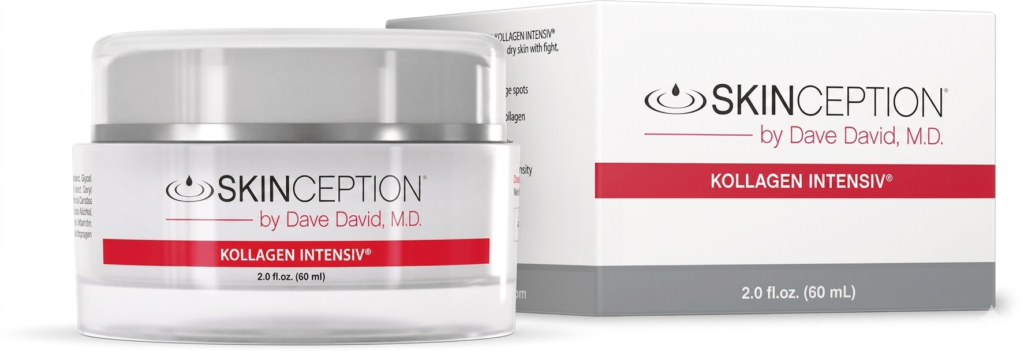
Where Kollagen Intensiv Fits Into a Routine
Many people eventually decide to add a targeted eye product to their daily skincare routine.
Kollagen Intensiv is designed specifically for the delicate skin around the eyes and may complement healthy lifestyle habits by helping support skin hydration and promoting a smoother, healthier-looking appearance.
Rather than replacing good skincare practices, it works best as part of a consistent routine that includes sun protection, adequate sleep, proper hydration, and balanced nutrition.
Because everyone’s skin is different, results can vary, but many users appreciate having a product formulated specifically for one of the most delicate areas of the face.

Frequently Asked Questions
Why does under-eye skin seem to age faster?
The skin beneath the eyes is thinner, contains fewer oil glands, and moves constantly with facial expressions, making changes more noticeable over time.
Can lifestyle really affect under-eye appearance?
Yes. Sleep, hydration, nutrition, stress, sun exposure, and skincare habits can all influence how the eye area looks.
Should I use a separate eye cream?
Many people find that products formulated specifically for the eye area provide gentle hydration suitable for this delicate skin.

How long does it take to notice skincare improvements?
Healthy skincare routines usually require consistency. Depending on the product and individual skin, visible improvements may take several weeks.
Is sunscreen important around the eyes?
Yes. Protecting the skin from UV exposure may help reduce one of the biggest contributors to visible skin aging.
Key Takeaways
- Under-eye skin is thinner and more delicate than the rest of the face.
- Daily habits often influence its appearance more than people realize.
- Sun exposure, dehydration, sleep, stress, and nutrition all play important roles.
- Consistency is usually more valuable than searching for quick fixes.
- A targeted skincare product can complement healthy lifestyle habits.
Final Thoughts
Healthy-looking under-eye skin isn’t usually the result of one miracle ingredient or one expensive product.
Instead, it’s the combination of small, consistent habits that gradually help your skin look its best.
Protecting your skin from the sun, getting enough rest, staying hydrated, eating well, and following a thoughtful skincare routine all work together to support a brighter, smoother-looking eye area.
If you’re looking to enhance your routine even further, Kollagen Intensiv may be worth exploring as part of your daily skincare regimen. Its formula is designed to support healthier-looking skin around the eyes while fitting naturally alongside the healthy habits discussed throughout this article.
If you’d like to learn more about how Kollagen Intensiv works and whether it could be a good addition to your skincare routine, click the link below to explore the product in more detail.
Remember, lasting improvements often come from consistent care—not chasing quick fixes. Your future skin will thank you for the healthy choices you make today.
⭐⭐⭐⭐⭐ Trusted by Thousands of Happy Customers • 67-Day Money-Back Guarantee