Have you ever noticed that your eyes seem to tell a different story than the rest of your face?
You may feel energetic and well-rested, yet the mirror reflects fine lines, puffiness, or dark circles that weren’t there a few years ago. This happens to many people because the skin around the eyes changes differently than the rest of the face.
While aging is a natural process, many of the visible changes around the eyes are influenced by daily habits, environmental exposure, and skincare choices. Understanding these factors can help you create a routine that supports healthier-looking skin for years to come.
Let’s take a closer look at why the eye area changes over time—and what you can do to care for it.

Why the Eye Area Is So Delicate
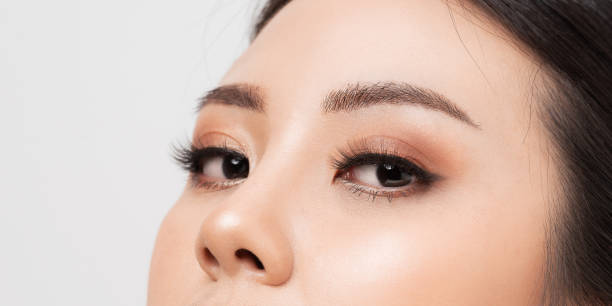
The skin surrounding your eyes is incredibly thin compared with most other areas of the face.
Because it contains fewer oil glands, it tends to lose moisture more quickly. It also experiences constant movement every time you blink, smile, laugh, or squint.
These characteristics make the eye area one of the first places where visible aging becomes noticeable.
What Happens Beneath the Surface?
Collagen Production Gradually Slows
Collagen is an important structural protein that helps skin maintain its firmness and resilience.
Beginning in adulthood, the body’s natural collagen production slowly declines. Existing collagen also breaks down over time, particularly when exposed to ultraviolet (UV) radiation from the sun.
As collagen decreases, skin may appear thinner, softer, and more likely to develop visible lines.
Elastin Becomes Less Flexible
Elastin gives skin the ability to stretch and return to its original shape.
With age, elastin fibers naturally lose elasticity, making the delicate skin around the eyes appear less firm.
Skin Renewal Takes Longer
Healthy skin continually replaces old cells with new ones.
As this renewal process slows with age, dullness can become more noticeable, and uneven texture may appear around the eyes.

Everyday Factors That Influence How Your Eyes Look
Although aging cannot be stopped, several lifestyle habits influence how quickly visible changes develop.
Sun Exposure
UV rays accelerate the breakdown of collagen and elastin.
Wearing sunglasses outdoors and applying broad-spectrum sunscreen every day are two simple habits that help protect the skin around your eyes.
Sleep Quality
Poor sleep doesn’t permanently age the skin overnight, but it can contribute to puffiness, dullness, and more noticeable dark circles.
Aim for consistent, restorative sleep whenever possible.
Hydration
Well-hydrated skin generally appears smoother and more supple.
Drinking enough water and using a moisturizer that supports the skin barrier can improve overall skin comfort and appearance.
Smoking and Environmental Stress
Smoking and frequent exposure to pollutants increase oxidative stress, which contributes to premature skin aging over time.
Reducing these exposures benefits both your skin and your overall health.
A Simple Routine for Healthier-Looking Eyes
You don’t need an elaborate skincare routine to care for the eye area.
Consistency is often far more important than using many different products.
Cleanse Without Rubbing
Remove makeup gently using soft motions rather than pulling or stretching the skin.
Moisturize Every Day
Keeping the skin hydrated helps improve its overall appearance and may reduce the look of dryness around the eyes.
Never Skip Sun Protection
Daily sunscreen remains one of the most effective ways to help minimize premature skin aging caused by UV exposure.
Add a Targeted Eye Product If Desired
Many people choose to include an eye cream in their skincare routine.
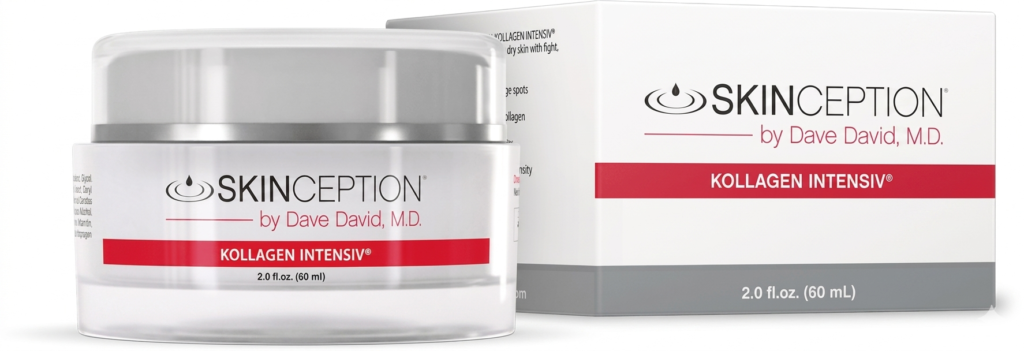
Products like Kollagen Intensiv may be an option for those looking to support smoother, more hydrated-looking skin around the eyes as part of a broader skincare routine. Individual experiences vary, and no cosmetic product can stop the natural aging process.

Lifestyle Habits That Support Healthy Skin
Healthy-looking skin starts with healthy daily routines.
Eat Nutrient-Rich Foods
A balanced diet that includes fruits, vegetables, lean proteins, healthy fats, and whole grains provides nutrients that support normal skin function.
Stay Active
Regular physical activity supports healthy circulation, which helps deliver oxygen and nutrients throughout the body.
Manage Stress
Chronic stress can affect sleep, hydration habits, and overall well-being.
Finding time to relax through walking, reading, meditation, or hobbies may also benefit your skin indirectly.

Common Mistakes That Can Age the Eye Area Faster
Many people unknowingly make small mistakes that can affect the appearance of their eyes.
Forgetting Sunglasses
Sunglasses not only protect your eyes but also reduce squinting caused by bright sunlight.
Using Harsh Skincare Products
Strong exfoliants or irritating products may not be suitable for the delicate eye area.
Rubbing Tired Eyes
Repeated rubbing can irritate delicate skin and contribute to unnecessary stress on the area.
Inconsistent Skincare
Healthy-looking skin is usually the result of regular daily care rather than occasional treatments.
Chasing Quick Fixes
Long-term improvements are generally achieved through consistent habits instead of expecting immediate results.

Quick Takeaways
- The eye area naturally ages sooner because the skin is thinner and more delicate.
- Collagen and elastin decline gradually with age.
- Daily sunscreen helps protect against premature skin aging.
- Hydration and gentle skincare support healthier-looking skin.
- Good sleep, nutrition, and regular exercise all contribute to overall skin health.
- Eye creams such as Kollagen Intensiv can complement a consistent skincare routine.
- Small daily habits often produce the biggest long-term benefits.
Frequently Asked Questions
Why do my eyes look older than the rest of my face?
The skin around the eyes is thinner, has fewer oil glands, and experiences constant movement, making age-related changes appear sooner.
Can collagen loss around the eyes be prevented?
Collagen naturally declines with age, but protecting your skin from UV exposure and following healthy skincare habits may help support its appearance.
Is an eye cream necessary?
Not everyone needs a separate eye cream, but some people prefer products specifically formulated for the delicate eye area.
Does sleep affect how my eyes look?
Yes. Poor sleep can contribute to temporary puffiness, dullness, and more noticeable dark circles.
What is the best daily habit for younger-looking eyes?
Consistent sun protection is widely considered one of the most effective daily habits for maintaining healthier-looking skin over time.
Conclusion
The truth about aging eyes is that they’re influenced by much more than age alone. While natural changes are inevitable, your everyday habits play an important role in how the delicate eye area looks over time.
Protecting your skin from the sun, staying hydrated, getting enough sleep, and following a gentle skincare routine can all support healthier-looking eyes. If you’re considering adding a dedicated eye product, options like Kollagen Intensiv may fit naturally into your routine alongside these healthy habits. Taking a consistent, balanced approach gives your skin the best opportunity to look refreshed, smooth, and well cared for for years to come.
⭐⭐⭐⭐⭐ Trusted by 1000+ customers • 67-Day Money Back • 100% Guarantee