
Why Under-Eye Puffiness Often Increases With Age and Simple Ways to Help Your Eyes
Look More Refreshed

Many people notice the first visible signs of aging around the eyes—not because wrinkles suddenly appear, but because the delicate under-eye area begins to look puffier.
Even after a full night’s sleep, those small bags beneath the eyes can seem more noticeable than they were a few years ago. While occasional puffiness is completely normal, persistent swelling often has several contributing factors that develop gradually over time.
The encouraging news is that many of these changes can be managed with healthy lifestyle habits, proper skincare, and products formulated specifically for the delicate eye area.
Let’s look at seven common reasons eye puffiness becomes more noticeable—and practical ways you may be able to reduce it.
👁️ 1. Natural Aging Changes the Eye Area
One of the biggest reasons puffiness becomes more visible is simply the aging process.
As we get older:
- Skin becomes thinner.
- Collagen and elastin gradually decline.
- Supportive tissues weaken.
- Fat pads beneath the eyes may shift forward.
These changes can make the under-eye area appear fuller or more swollen even when no actual fluid buildup is present.
What helps:
- Daily sunscreen
- Consistent moisturizing
- Gentle skincare
- Ingredients that support collagen production
💧 2. Fluid Retention Overnight
Many people wake up with puffier eyes in the morning because fluid naturally collects around the eyes while lying flat during sleep.
This type of puffiness often improves within an hour or two after getting up.
Helpful habits:
- Sleep with your head slightly elevated.
- Stay hydrated throughout the day.
- Reduce excessive sodium intake before bedtime.
- Apply a cool compress for several minutes after waking.
🧂 3. Too Much Salt
A high-sodium diet encourages the body to retain water.
Because the skin around the eyes is extremely thin, even small increases in fluid retention may become noticeable.
Foods commonly linked to temporary puffiness include:
- Processed snacks
- Fast food
- Frozen meals
- Cured meats
- Salty restaurant meals
Balancing sodium intake with potassium-rich fruits and vegetables may help reduce water retention.
😴 4. Poor Sleep Quality
Sleep isn’t just about how many hours you get—quality matters too.
Interrupted sleep or chronic sleep deprivation may contribute to:
- Puffy eyes
- Dark circles
- Dull-looking skin
- Increased facial swelling
Aim for:
- 7–9 hours of sleep
- A consistent bedtime
- A cool, dark sleeping environment
- Limiting screens before bed
☀️ 5. Sun Exposure
Years of UV exposure gradually break down collagen and elastin.
This weakens the skin’s structure and may make puffiness more visible over time.
Daily sun protection is one of the simplest long-term strategies for maintaining healthier-looking skin.
Experts recommend:
- SPF 30 or higher
- Sunglasses with UV protection
- Wide-brimmed hats during extended outdoor activities
🧬 6. Genetics
Sometimes eye puffiness simply runs in families.
If close relatives have naturally prominent under-eye bags, genetics may play a significant role.
While genetics can’t be changed, healthy habits may help reduce swelling caused by other lifestyle factors.
🧴 7. Using the Wrong Eye Products
The skin around your eyes is much thinner than the rest of your face.
Heavy creams or irritating ingredients may sometimes make the area feel swollen or sensitive.
Look for products formulated specifically for the eye area that focus on:
- Hydration
- Skin barrier support
- Peptides
- Antioxidants
- Collagen-supporting ingredients
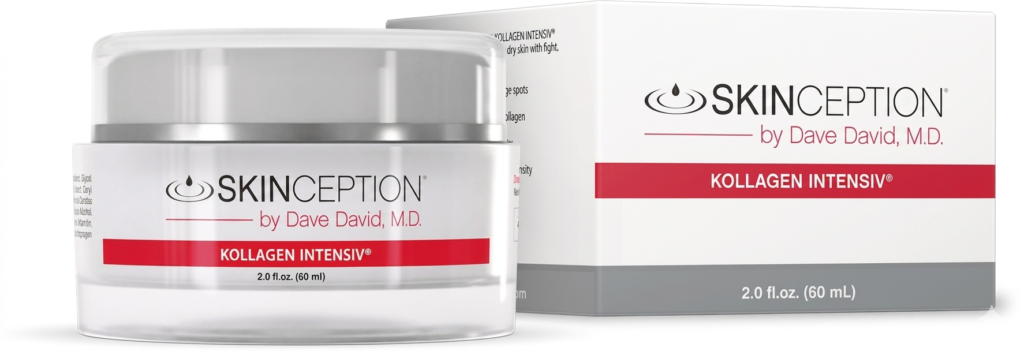
Some people also explore products such as Kollagen Intensiv, which is marketed as an anti-aging skincare option designed for mature skin. While individual results vary, many users include it as part of a broader skincare routine alongside sun protection, healthy sleep, and proper hydration.

🌿 Everyday Habits That May Help Reduce Eye Puffiness
Small daily habits often make the biggest long-term difference.
Try incorporating:
✅ Drink enough water
✅ Limit excess salt
✅ Get consistent sleep
✅ Wear sunscreen every day
✅ Remove makeup gently
✅ Avoid rubbing your eyes
✅ Eat a balanced diet rich in colorful fruits and vegetables
✅ Stay physically active
✨ When Should You See a Healthcare Professional?
Occasional puffiness is usually harmless.
However, it’s worth speaking with a healthcare professional if you notice:
- Swelling affecting only one eye
- Pain or redness
- Vision changes
- Puffiness that appears suddenly
- Persistent swelling that doesn’t improve
These symptoms may indicate an underlying medical condition requiring evaluation.
Frequently Asked Questions
Why do my eyes look puffier as I get older?
As collagen decreases and supportive tissues weaken with age, fat beneath the eyes may become more visible. Skin also becomes thinner, making puffiness easier to notice.
Can dehydration cause puffy eyes?
Yes. Dehydration may encourage the body to retain water, which can contribute to temporary puffiness around the eyes.
Does sleeping position matter?
Yes. Sleeping flat may allow fluid to collect around the eyes overnight. Slightly elevating your head may help reduce morning puffiness.
Are eye creams effective?
Some eye creams may improve hydration and temporarily smooth the appearance of the skin. Products containing peptides, antioxidants, caffeine, or collagen-supporting ingredients may offer cosmetic benefits, although results vary between individuals.
Is eye puffiness permanent?
Not always. Puffiness caused by fluid retention often improves throughout the day. Puffiness related to aging or genetics may be more persistent but can often be minimized with skincare and healthy lifestyle habits.
Final Thoughts
Eye puffiness usually develops gradually rather than overnight. Aging, genetics, sleep quality, hydration, diet, and sun exposure all play important roles in how the under-eye area looks.
Although there’s no single solution, building healthy daily habits and choosing skincare products designed for the delicate eye area can help improve the appearance of tired-looking eyes over time.
Consistency often delivers the best results—and even small changes can make a noticeable difference in maintaining a refreshed, well-rested appearance.
⭐⭐⭐⭐⭐ Trusted by 1000+ customers • 67-Day Money Back • 100% Guarantee