Discover what’s really making your eyes look older—and the simple habits that may help you look more refreshed.
Your eyes are often the first feature people notice—and unfortunately, they’re usually the first area to show signs of aging.
If you’ve been getting enough sleep but still notice dark circles, puffiness, fine lines, or a tired appearance staring back at you in the mirror, you’re not imagining it.
Many people assume under-eye aging is simply caused by getting older. In reality, several hidden factors can quietly contribute to tired-looking eyes long before deeper wrinkles appear.
The good news? Many of these factors are manageable once you know what to look for.
Let’s explore the ten most overlooked reasons your eyes may appear older—and what you can do about them.
Why the Eye Area Ages Faster Than the Rest of Your Face
The skin beneath your eyes is among the thinnest anywhere on your body. It contains fewer oil glands, less collagen, and less supportive tissue than other facial areas.
Because of this, everyday stress, environmental exposure, and lifestyle habits tend to show up here first.
Even subtle changes can make the eyes appear:
- Less bright
- More tired
- Slightly puffy
- Wrinkled
- Hollow-looking
Fortunately, understanding the causes is the first step toward improving your skincare routine.
1. Natural Collagen Loss
Beginning in early adulthood, collagen production gradually declines.
Collagen helps provide firmness and elasticity to the skin. As levels decrease, the delicate under-eye area can begin to look thinner and less smooth.
What helps
- Eating adequate protein
- Vitamin C-rich foods
- Daily sun protection
- Consistent skincare
- Products designed to support healthier-looking skin
2. Sun Exposure Adds Up
Many people protect their cheeks and forehead but forget the eye area.
Years of UV exposure can accelerate visible aging by damaging collagen and elastin fibers.
Protect your eyes by:
- Wearing sunglasses
- Applying sunscreen around the orbital bone
- Using wide-brimmed hats outdoors
Daily prevention often makes a noticeable difference over time.
3. Chronic Dehydration
When your body is dehydrated, the under-eye area may appear:
- Duller
- More lined
- Less plump
Hydration won’t erase wrinkles, but it often improves the overall appearance of the skin.
Simple habits include:
- Drinking water consistently
- Limiting excessive alcohol
- Using a quality moisturizer
4. Poor Sleep Quality
Sleep allows the body to repair itself.
Consistently poor sleep may contribute to:
- Puffiness
- Darker-looking under-eyes
- More noticeable fine lines
Aim for consistent sleep schedules rather than simply increasing total hours.

5. Allergies and Eye Rubbing
Seasonal allergies often cause repeated rubbing around the eyes.
This repeated friction may contribute to irritation and make dark circles appear more noticeable over time.
Managing allergies appropriately and avoiding rubbing whenever possible can help.
6. Smoking and Environmental Pollution
Both cigarette smoke and air pollution expose the skin to oxidative stress.
Over time this may accelerate visible skin aging and reduce the skin’s healthy appearance.
Reducing exposure benefits not only your skin but your overall health as well.
7. Genetics
Some people naturally inherit the following:
- Darker under-eye pigmentation
- Deeper tear troughs
- Thinner skin
While genetics can’t be changed, the appearance of the area can often be improved through healthy lifestyle habits and good skincare.
8. Inconsistent Skincare
Many people use facial products everywhere except around their eyes.
The eye area often benefits from products specifically formulated for delicate skin.
Look for ingredients such as the following:as the following:
- Peptides
- Hyaluronic acid
- Niacinamide
- Antioxidants
Consistency usually matters more than constantly changing products.
9. Diet Low in Skin-Supporting Nutrients
Healthy-looking skin depends on adequate nutrition.
Important nutrients include:
- Vitamin C
- Zinc
- Omega-3 fatty acids
- Protein
- Vitamin E
A balanced diet supports your body’s natural maintenance processes.
10. Using the Wrong Eye Cream
Not every eye cream is formulated the same.
Some primarily moisturize.
Others focus on ingredients intended to support smoother, firmer-looking skin over time.
If you’re looking for an eye cream, consider choosing one that includes ingredients backed by skincare research and is appropriate for your skin type.
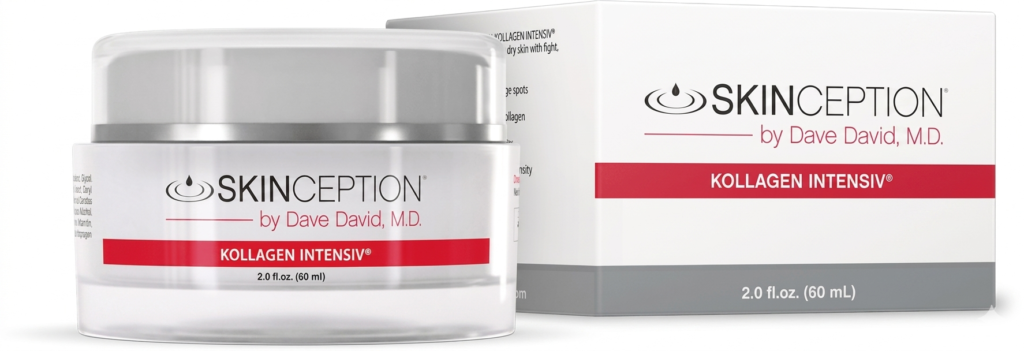
Many readers researching under-eye aging also explore Kollagen Intensiv, a collagen-focused eye cream formulated to hydrate the delicate eye area while supporting the appearance of smoother, firmer-looking skin. Like any skincare product, results vary from person to person, and it’s best used as part of a consistent skincare routine rather than as a quick fix.

Daily Habits That Can Help Eyes Look More Refreshed
Small habits often add up over time.
Try to:
✔ Wear SPF every day
✔ Stay hydrated
✔ Sleep consistently
✔ Eat a nutrient-rich diet
✔ Avoid smoking
✔ Wear sunglasses outdoors
✔ Moisturize daily
✔ Avoid rubbing your eyes
✔ Use gentle skincare
✔ Stay consistent with your routine
Frequently Asked Questions
What causes tired-looking eyes even after sleeping?
Several factors may contribute, including genetics, dehydration, allergies, collagen loss, stress, and natural aging.
Does collagen loss affect the eye area first?
The eye area often shows visible aging earlier because the skin is thinner and naturally contains less structural support than other parts of the face.
Can lifestyle changes improve under-eye appearance?
Healthy habits such as adequate sleep, hydration, balanced nutrition, sun protection, and consistent skincare may help improve the overall appearance of the eye area over time.
Is an eye cream necessary?
While not essential, a well-formulated eye cream can help moisturize delicate skin and may improve the appearance of fine lines and dryness as part of a regular skincare routine.
How long does it take to notice skincare improvements?
Visible improvements vary depending on the individual, skin condition, and product used. Consistency over several weeks is generally more important than expecting immediate results.

Final Thoughts
Tired-looking eyes are rarely caused by just one factor.
Instead, they’re usually the result of several small influences working together over time—from collagen decline and sun exposure to hydration, sleep, nutrition, and skincare habits.
The encouraging news is that many of these are within your control.
Building a simple, consistent routine that includes sun protection, healthy lifestyle choices, and quality skincare can help your eye area appear healthier and more refreshed over time.
If you’re exploring eye creams designed specifically for aging concerns, Kollagen Intensiv is one option worth researching alongside other reputable products to determine what best suits your skincare goals.