Discover the everyday habits, lifestyle factors, and skincare choices that may quietly influence how youthful your eyes appear—and learn practical ways to help your under-eye area look refreshed.
⭐⭐⭐⭐⭐ Trusted by Thousands of Customers • 67-Day Money Back Guarantee

The skin beneath the eyes is naturally thinner than most other areas of the face. It also moves constantly every time we smile, blink, laugh, or squint. Over the years, this combination can make the eye area appear less smooth, less firm, and more tired.
The good news?
Many of the factors influencing eye appearance are everyday habits that can be improved. While aging itself is natural, understanding what affects the under-eye area can help you make smarter skincare and lifestyle decisions.
Let’s explore nine surprisingly common factors.
👁️ 1. Collagen Naturally Declines With Age
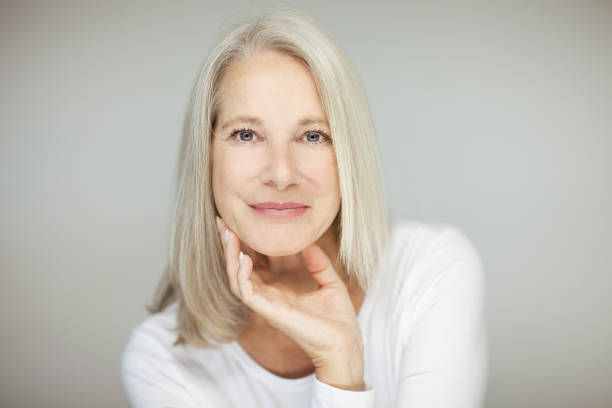
Collagen provides much of the skin’s structure and firmness.
Beginning in adulthood, collagen production gradually slows. This natural process may contribute to skin that appears thinner, softer, and less elastic around the eyes.
Supporting healthy skin through proper nutrition, sun protection, and consistent skincare may help maintain a healthier-looking appearance over time.
☀️ 2. Daily Sun Exposure Adds Up
Even short periods of unprotected sun exposure accumulate over the years.
Ultraviolet (UV) radiation can affect collagen and elastin—the proteins responsible for keeping skin looking firm and resilient.
Helpful habits include:
- Wearing sunglasses outdoors
- Applying a broad-spectrum sunscreen every day
- Seeking shade during peak UV hours
- Wearing a wide-brimmed hat when practical
These small habits can make a noticeable difference over the long term.
😴 3. Poor Sleep Can Make Eyes Look Older
Sleep is when your body carries out many repair processes.
Consistently poor sleep may contribute to:
- Puffiness
- Darker-looking under-eyes
- Duller skin
- A tired facial appearance
Most adults benefit from aiming for around 7–9 hours of quality sleep each night.
💧 4. Dehydrated Skin Looks Less Plump
When skin lacks moisture, fine lines often become more noticeable.
Hydration comes from both inside and outside:
- Drink enough water throughout the day.
- Use a gentle moisturizer designed for the delicate eye area.
- Avoid harsh cleansers that strip natural oils.
Well-hydrated skin often appears smoother and healthier.

🍓 5. Nutrition Plays a Bigger Role Than Many Realize
Healthy skin relies on many nutrients.
A balanced diet containing:
- Vitamin C
- Vitamin E
- Protein
- Healthy fats
- Zinc
- Antioxidant-rich fruits and vegetables
supports the body’s normal skin maintenance processes.
No single food can stop aging, but consistent healthy eating supports overall skin health.
🚭 6. Smoking and Environmental Stressors
Smoking and frequent exposure to pollution increase oxidative stress within the body.
Over time, oxidative stress may contribute to visible signs of skin aging.
Reducing smoking exposure—and protecting skin from environmental pollutants whenever possible—supports healthier-looking skin overall.
🧴 7. Using Products That Are Too Harsh
Many people accidentally over-treat the eye area.
Common mistakes include:
- Scrubbing aggressively
- Using strong exfoliants too frequently
- Applying products not designed for delicate skin
- Rubbing eyes repeatedly
Gentle skincare is often more beneficial than aggressive routines.

💻 8. Constant Screen Time Can Affect Eye Comfort
Long hours looking at digital devices can lead to:
- Eye strain
- Increased squinting
- Dry eyes
- Fatigue
Although screens don’t directly age skin, repeated facial tension and reduced blinking may contribute to a tired-looking appearance.
Try the 20-20-20 rule:
Every 20 minutes, look at something about 20 feet away for 20 seconds.

🌿 9. Consistency Matters More Than Expensive Products
Many people constantly switch skincare products hoping for instant results.
Healthy-looking skin generally responds better to:
- Daily sunscreen
- Gentle cleansing
- Regular moisturizing
- Healthy sleep
- Balanced nutrition
- Long-term consistency
Small improvements practiced every day usually outperform dramatic short-term routines.
Can Eye Creams Help?
Eye creams cannot stop the natural aging process, but many are formulated to help improve the appearance of hydration, smoothness, and brightness.
When choosing an eye product, look for ingredients such as the following:
- Peptides
- Hyaluronic acid
- Niacinamide
- Vitamin C
- Retinol (used carefully, especially around sensitive skin)
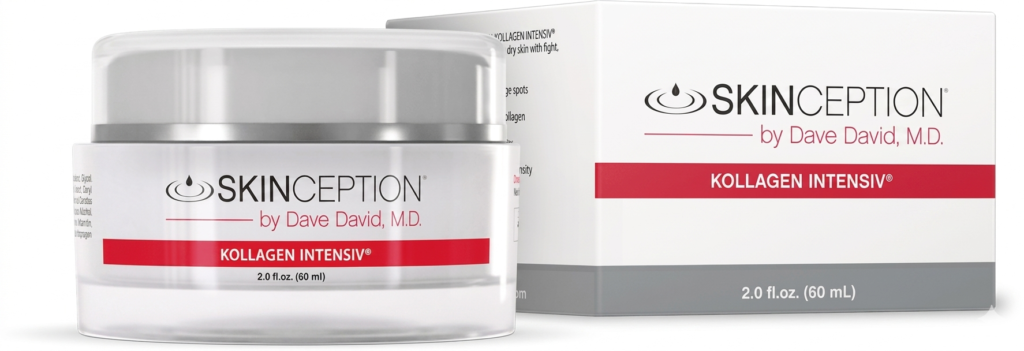
Some people also explore collagen-supporting skincare products. Kollagen Intensiv is one option that includes ingredients intended to hydrate the skin and support the appearance of smoother, firmer-looking under-eyes. As with any skincare product, results vary from person to person, and it’s best used as part of a consistent skincare routine rather than viewed as a standalone solution.

✔ Wear sunscreen daily.
✔ Stay well hydrated.
✔ Eat plenty of colorful fruits and vegetables.
✔ Get consistent, quality sleep.
✔ Avoid rubbing your eyes.
✔ Wear sunglasses outdoors.
✔ Moisturize the eye area regularly.
✔ Be patient with your skincare routine.
Frequently Asked Questions
Why does the under-eye area age faster?
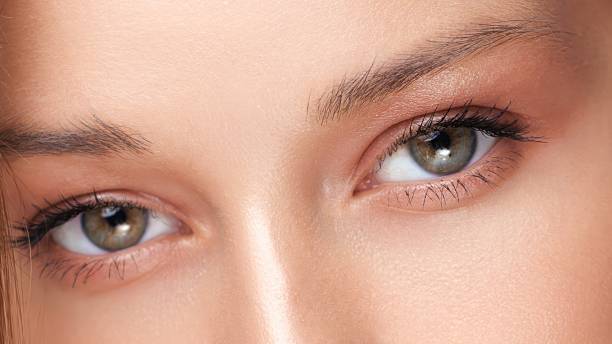
The skin beneath the eyes is thinner than much of the rest of the face, contains fewer oil-producing glands, and experiences constant facial movement. These factors make age-related changes more noticeable.
Can collagen improve under-eye appearance?
Collagen is an important structural protein in skin. While natural collagen production decreases with age, maintaining a healthy lifestyle and using skincare products formulated to support hydration and skin appearance may help improve the look of the eye area.
What causes puffy eyes?
Temporary puffiness can be influenced by sleep habits, allergies, fluid retention, diet, and genetics.
Do eye creams really work?
Eye creams can improve hydration and the appearance of fine lines caused by dry skin. Products containing ingredients such as peptides, hyaluronic acid, niacinamide, or retinol may provide cosmetic benefits when used consistently.
At what age should I start caring for my under-eye area?
Many skincare professionals recommend developing healthy skincare habits in your 20s or 30s, although it’s never too late to start protecting and caring for your skin.
Final Thoughts
The eye area naturally changes over time, but many everyday habits quietly influence how youthful it appears.
Protecting your skin from the sun, sleeping well, staying hydrated, eating a balanced diet, and following a gentle, consistent skincare routine can all contribute to healthier-looking eyes.
If you’re considering adding an eye-focused skincare product to your routine, options like Kollagen Intensiv may complement these healthy habits by helping improve hydration and the appearance of smoother, firmer-looking skin. Consistency—and realistic expectations—is key to seeing the best cosmetic results over time.