Puffy eyes aren’t always caused by lack of sleep. Discover the surprising everyday habits that may be making your eyes look older, tired, and swollen—and what you can do about them.
⭐⭐⭐⭐⭐ Trusted by 1000+ customers • 67-Day Money Back • 100% Guarantee
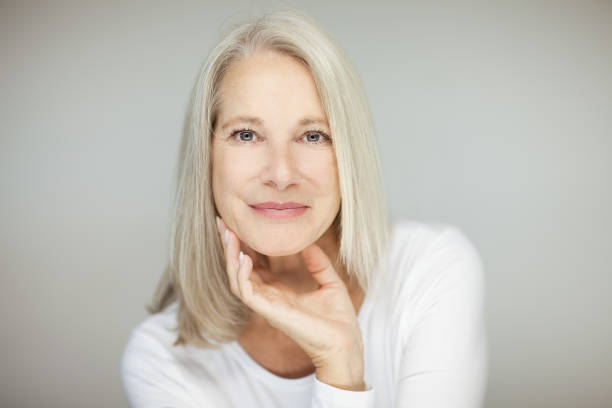
Puffy eyes can completely change the way your face looks.
They can make you appear exhausted even after a full night’s sleep.
They can make under-eye wrinkles look deeper.
They can create shadows that resemble dark circles.
And perhaps most frustrating of all—they can make you look older than you actually are.
Most people immediately blame sleep.
But what if sleep isn’t the real problem?
What if your daily routine is quietly making puffiness worse without you realizing it?
Many women spend years trying eye creams, concealers, cooling masks, and beauty hacks while overlooking the actual causes.
Some of the biggest triggers are hiding in plain sight.
Let’s uncover the surprising reasons your eyes may look swollen and tired.
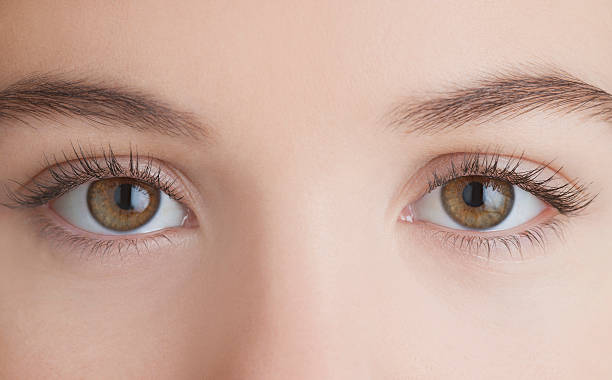
👀 Why Puffy Eyes Make You Look Older
The eye area is one of the thinnest and most delicate parts of the face.
When fluid accumulates beneath the eyes, it creates swelling that changes facial contours and highlights signs of aging.
Puffiness often makes:
• Fine lines appear deeper
• Crow’s feet look more noticeable
• Dark circles seem darker
• Skin appear less firm
• Eyes look smaller and less refreshed
The result?
A tired, older-looking appearance even when you’re feeling perfectly fine.
🧂 Hidden Salt Intake
Most people know salty foods can cause bloating.
What many don’t realize is that the under-eye area is often one of the first places where excess fluid becomes visible.
Even foods that don’t taste particularly salty may contain surprisingly high sodium levels.
Common culprits include:
• Salad dressings
• Frozen meals
• Restaurant foods
• Processed snacks
• Store-bought sauces
Excess sodium encourages water retention, often showing up the next morning around the eyes.
📱 Late-Night Screen Exposure
This one surprises many people.
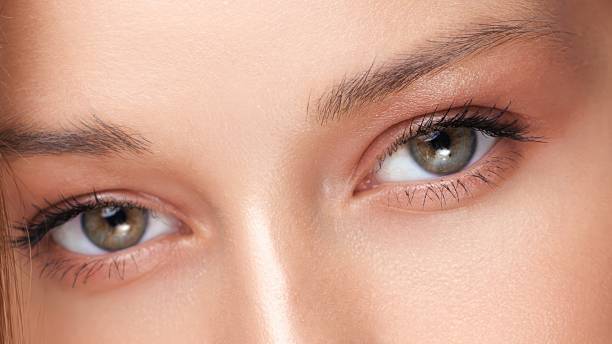
Hours spent staring at phones, tablets, and computers can contribute to tired-looking eyes.
Extended screen use may lead to eye strain, dryness, and irritation.
When eyes become irritated, surrounding tissues can appear swollen or inflamed.
Combine that with poor sleep quality caused by blue-light exposure, and puffiness can become even more noticeable.
😴 Sleeping Position
Your pillow may be working against you.
When you sleep completely flat, fluid can accumulate around the eyes overnight.
Many people notice significantly more puffiness upon waking simply because of how they sleep.
A slightly elevated sleeping position often helps reduce fluid buildup.
It’s a small change that can make a surprisingly visible difference.
🌼 Seasonal Allergies
Many people blame aging when allergies are actually responsible.
Pollen, dust, and environmental irritants can trigger inflammation around the eyes.
The result?
Swelling, itching, redness, and puffiness.
If your eyes seem worse during certain times of the year, allergies could be playing a larger role than you think.
💧 Not Drinking Enough Water
This sounds backwards.
Wouldn’t drinking less water reduce puffiness?
Actually, dehydration can encourage the body to retain water.
When your body senses a lack of hydration, it often holds onto fluid wherever it can.
Unfortunately, the delicate under-eye area often reveals this retention first.
🍷 Evening Alcohol Consumption
Alcohol is another commonly overlooked trigger.
It can contribute to dehydration while also disrupting normal sleep patterns.
Many people wake up with puffier eyes after drinking because alcohol affects both fluid balance and sleep quality.
Even moderate consumption can sometimes create noticeable morning puffiness.
😣 Chronic Stress
Stress affects far more than your mood.
Long-term stress can disrupt sleep, increase inflammation, and impact overall skin appearance.
The eye area is frequently one of the first places these effects become visible.
Many people notice their eyes looking more swollen during particularly stressful periods of life.
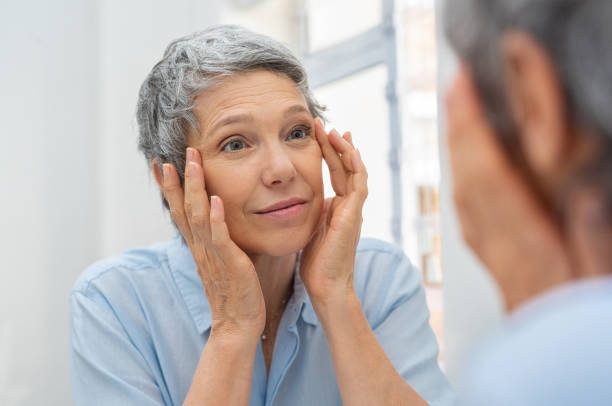
🧴 Using The Wrong Eye Products
Here’s a mistake many people never consider.
Some skincare products may be too heavy for the delicate eye area.
Others contain ingredients that can irritate sensitive skin.
When irritation occurs, the body often responds with inflammation and swelling.
Using products specifically designed for the eye area can help reduce unnecessary stress on this delicate skin.
⏰ Natural Age-Related Changes
This is the cause most people focus on—but it’s rarely the only one.
As we age, tissues around the eyes naturally weaken.
Fat deposits can shift.
Skin loses firmness.
Fluid drainage may become less efficient.
These changes can contribute to persistent puffiness that becomes more noticeable over time.
The good news?
Supporting the skin with the right routine can help improve the appearance of tired-looking eyes.
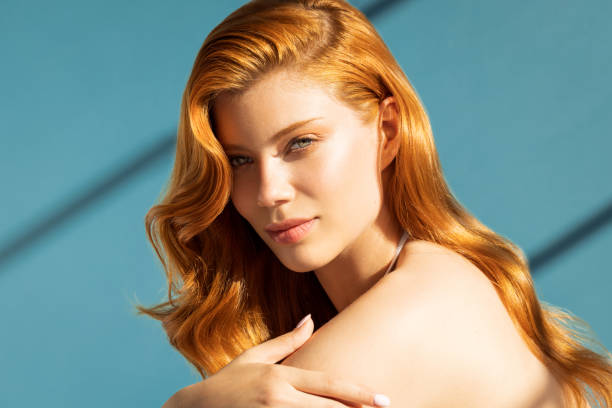
✨ The Eye Area Needs Different Care
Many facial products are designed for larger areas of skin.
The eye area is different.
It requires ingredients that support hydration, firmness, and a smoother appearance without overwhelming delicate tissue.
This is one reason many women begin looking specifically for targeted eye treatments once puffiness, fine lines, and dark circles become more noticeable.
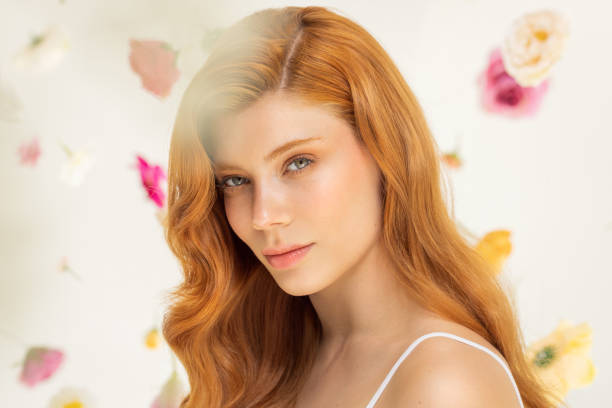
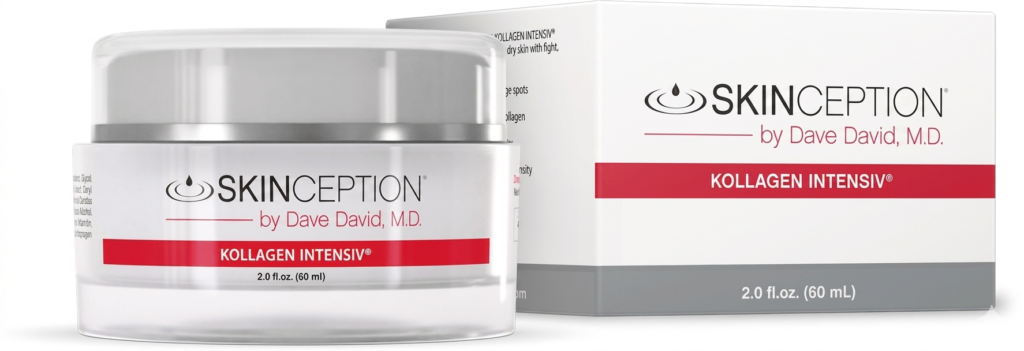
🌿 What Many Women Are Discovering About Kollagen Intensiv
If you’ve been frustrated by puffy eyes, tired-looking skin, under-eye wrinkles, or crow’s feet, you’re not alone.
Many women spend years trying countless products before finding a routine that actually addresses the visible signs of aging around the eyes.
One product that continues to attract attention is Kollagen Intensiv.
Its formula was specifically developed to help improve the appearance of:
✔ Under-eye wrinkles
✔ Crow’s feet
✔ Fine lines
✔ Dark circles
✔ Tired-looking eyes
✔ Aging skin around the eye area
What many users appreciate is that it focuses on the area where aging often becomes noticeable first.
When the eye area looks brighter, smoother, and more refreshed, the entire face often appears more youthful.
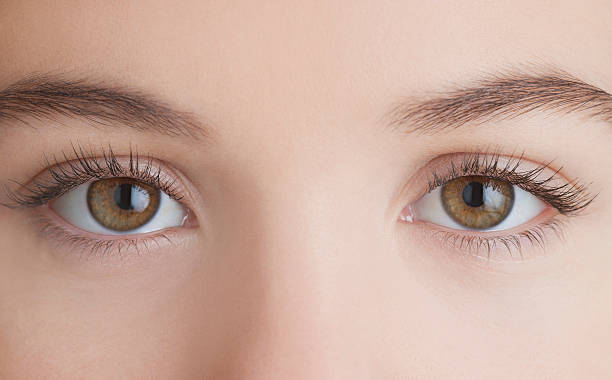
📌 Save These Puffy-Eye Prevention Tips
Want a quick checklist?
Save this list for later:
✓ Reduce hidden sodium
✓ Stay hydrated throughout the day
✓ Elevate your head slightly while sleeping
✓ Limit late-night screen time
✓ Address seasonal allergies
✓ Moderate alcohol intake
✓ Manage daily stress
✓ Use eye-specific skincare products
✓ Support aging skin with a targeted routine
Small habits can create surprisingly noticeable improvements over time.
💡 The Bottom Line
Puffy eyes are often blamed on one thing: lack of sleep.
But as you’ve seen, many hidden factors may be contributing to the problem.
The encouraging news is that several of these causes are completely within your control.
The sooner you identify what’s triggering your puffiness, the sooner you can begin creating a more refreshed, youthful-looking appearance.
And if you’re ready to take your eye-care routine a step further, many women are exploring targeted solutions like Kollagen Intensiv to help improve the appearance of puffiness, wrinkles, crow’s feet, and tired-looking eyes.
Sometimes looking younger isn’t about doing more.
It’s about finally addressing the causes most people never consider.