

Have you ever bought an expensive eye cream hoping it would make your eyes look brighter, smoother, and more refreshed, only to wonder whether it made any real difference? You are not alone. Many people spend a surprising amount of money trying to reduce dark circles, puffiness, fine lines, and the tired appearance that can develop around the eyes.
The problem is that a higher price does not automatically mean better results. With so many eye creams promising youthful-looking skin, it is easy to spend more than necessary without understanding what your skin actually needs.
The good news is that you can take a smarter approach to eye care without sacrificing your beauty routine. Here are seven practical ways to save money while giving the delicate skin around your eyes the attention it deserves.

1. Stop Assuming the Most Expensive Eye Cream Is the Best
Premium eye creams often come in attractive packaging and feature impressive-sounding ingredients. However, the price alone does not tell you how effective a product will be for your particular skin concerns.
Some affordable moisturisers contain useful ingredients such as glycerin, hyaluronic acid, and ceramides. These ingredients can help attract moisture, support the skin barrier, and reduce the appearance of dehydration-related fine lines.
Before buying another expensive product, consider what you want it to achieve.
- For dryness, look for ingredients that help retain moisture.
- For a dull appearance, consider gentle skincare and consistent sun protection.
- For puffiness, investigate possible triggers such as poor sleep, allergies, or fluid retention.
- For fine lines, focus on hydration and daily sun protection.
Choosing products according to your needs can help you avoid paying for features that offer little additional value to your routine.
Skinception kollagen Intensiv Official Website:
2. Understand What Causes Dark Circles and Puffiness
Dark circles are not always caused by a lack of sleep. Genetics, pigmentation, allergies, visible blood vessels, and changes in the skin around the eyes can all contribute to their appearance.
Puffiness may also have several causes, including fluid retention, allergies, and the natural changes that occur with age.
As skin ages, collagen production gradually declines. Collagen is an important structural protein that helps support skin firmness. Over time, changes in collagen, elastin, and the distribution of fat beneath the skin can contribute to a less firm appearance and more noticeable lines.
Understanding the cause of your concern helps you spend more wisely. A moisturising cream may improve dryness, for example, but it will not necessarily correct hereditary dark circles or under-eye bags caused by structural changes.
Matching your skincare choices to the problem is one of the simplest ways to avoid wasting money.

3. Build a Simple Routine Instead of Buying Multiple Products
It is tempting to believe that you need a separate product for every concern around your eyes. One cream promises to target wrinkles, another focuses on dark circles, and a third claims to reduce puffiness.
However, a complicated routine can quickly become expensive, and using more products does not automatically produce better results.
Start with the essentials:
- A gentle cleanser that does not leave your skin feeling tight.
- A moisturiser suited to your skin type.
- Broad-spectrum sunscreen during the day, including careful protection around the eye area.
You may decide that a dedicated eye cream is useful, particularly if your skin is sensitive or you prefer its texture. The important thing is to choose it because it serves a purpose, rather than because another product promises a completely different result.
A simpler routine is often easier to maintain and makes it easier to identify which products genuinely help.
4. Give Your Skincare Enough Time to Work
One reason people overspend on eye creams is that they change products too quickly.
After a few days, they may decide a cream is not working and purchase another one. This creates a cycle of spending without giving suitable products enough time to demonstrate their benefits.
Hydration can sometimes improve the appearance of dry, fine lines relatively quickly. Other changes, particularly those involving skin texture or pigmentation, may take weeks or longer, and some concerns will not respond significantly to topical skincare.
When introducing a suitable new product, use it consistently according to its instructions and assess how your skin responds over time.
Keep your expectations realistic. If a product causes irritation, discontinue it. If you experience persistent swelling, significant irritation, or a sudden change around one eye, seek appropriate medical advice rather than continuing to experiment with cosmetics.

5. Take Advantage of Lifestyle Habits That Support Healthier-Looking Skin
Your skincare products are only one part of the picture. Everyday habits can also influence how refreshed your eyes appear.
Insufficient sleep may make tired-looking eyes more noticeable. Dehydration can contribute to a dry appearance, while allergies may trigger itching, rubbing, and puffiness.
You can support your overall skin health by focusing on a few practical habits:
- Aim for a consistent sleep schedule.
- Drink enough water to meet your individual needs.
- Eat a varied diet that includes protein, fruit, vegetables, and other nutrient-rich foods.
- Avoid rubbing the delicate skin around your eyes.
- Protect your skin from excessive sun exposure.
These habits will not eliminate every dark circle or fine line, particularly when genetics and natural ageing play a role. Nevertheless, they can complement a sensible skincare routine without requiring a new collection of expensive products.
6. Look Beyond Moisturisers When Thinking About Collagen
Collagen is receiving considerable attention in the beauty industry because it plays an important role in skin structure and firmness.
As natural collagen levels change with age, people may notice that their skin looks less plump or that fine lines become more visible. This can encourage them to buy increasingly expensive creams in search of a more youthful appearance.
However, it is important to understand the difference between moisturising the skin and addressing collagen-related changes. A topical moisturiser can improve hydration and temporarily make fine lines less noticeable, but that does not mean it replaces lost collagen.
Some people also explore beauty supplements or products formulated around collagen as part of a broader approach to skin care.
Results depend on the ingredients, formulation, individual circumstances, and available evidence. No product should be expected to reverse natural ageing or guarantee the removal of wrinkles, dark circles, or puffiness.
Understanding these differences can help you evaluate beauty products more carefully instead of paying for promises that sound too good to be true.
7. Choose Beauty Products That Fit Your Routine and Budget
The final way to save money is to look at your entire beauty routine rather than judging each product separately.
Ask yourself whether a product addresses a genuine concern, whether you can afford to use it consistently, and whether its ingredients and claims make sense.
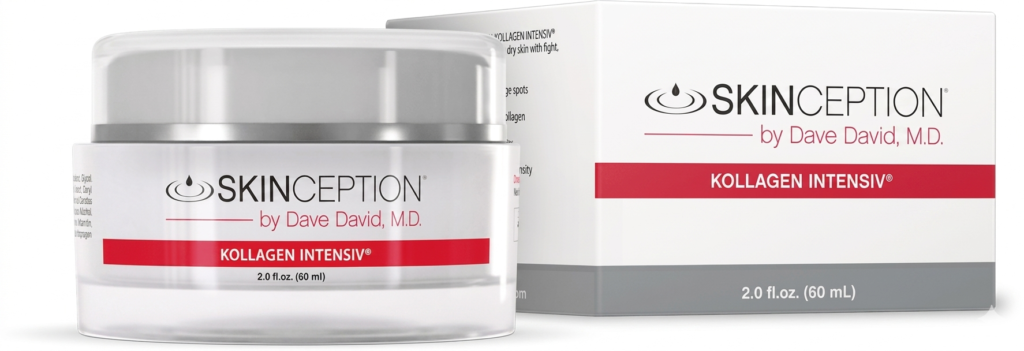
This is also where a product such as Kollagen Intensiv may be worth considering as part of a broader beauty routine. For people interested in collagen-focused skincare, it represents an option to investigate alongside their existing habits and products.
Before making a decision, examine its ingredient information, intended use, and the evidence supporting any specific benefits. Consider how it fits your needs and budget rather than assuming that a collagen-focused product will automatically deliver visible improvements.
It is equally important to remember that no single product replaces a balanced diet, adequate sleep, sun protection, or a skincare routine suited to your skin.
Taking time to evaluate your options can help you avoid impulse purchases and concentrate your spending on products that make sense for you.
Spend Smarter for Healthier-Looking Eyes
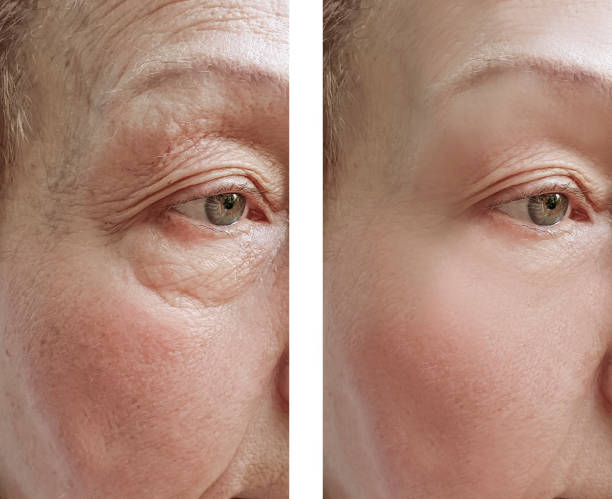
You do not need an overflowing bathroom cabinet to care for the delicate skin around your eyes. Understanding the causes of dark circles, puffiness, fine lines, and dryness can help you make better decisions about which products deserve a place in your routine.
Start with the basics, choose ingredients according to your needs, protect your skin from the sun, and give suitable products enough time to work. Be cautious of expensive promises that suggest one cream can solve every visible sign of ageing.
Collagen changes are a natural part of getting older, and everyone’s skin develops differently. A thoughtful approach to skincare is not about trying to eliminate every line or achieve unrealistic perfection. It is about supporting your skin, feeling comfortable with your choices, and spending your money where it offers the most value.
By focusing on consistency, realistic expectations, and informed product choices, you can build a beauty routine that supports healthier-looking skin without continually paying for the next big promise.
Want more tips for younger-looking eyes? Subscribe for simple eye-care advice
delivered to your inbox.