

Have you ever looked in the mirror after a full night’s sleep and wondered why your eyes still look tired? Dark circles, puffy under-eyes, fine lines, and dull-looking skin can make your entire face appear older or less refreshed than you actually feel.
The surprising part is that tired-looking eyes are not always caused by a lack of sleep. Everyday habits, natural changes in your skin, hydration levels, and even your environment can all influence the appearance of the delicate area around your eyes.
If you have been trying different creams and skincare routines without seeing the fresh, rested appearance you want, it may be time to look at the bigger picture.
Here are 10 everyday factors worth considering, along with practical ways to support healthier-looking skin and a more refreshed appearance.

1. Not Getting Enough Quality Sleep
Sleep plays an important role in how your skin looks and feels. When you regularly get too little rest, you may notice puffiness, more visible dark circles, and a generally tired appearance.
Poor sleep can also make existing under-eye shadows more noticeable, particularly if the skin beneath your eyes is already thin.
What you can do: Aim for a consistent sleep schedule and create a relaxing bedtime routine. Keeping your bedroom comfortable and reducing screen time before bed may also help you get better-quality rest.
Although sleep cannot eliminate every dark circle or fine line, it is a sensible starting point for improving your overall appearance.
Skinception kollagen Intensiv Official Website:
2. Natural Collagen Loss and Skin Ageing
One of the less obvious reasons eyes can look tired is the gradual loss of collagen as we age.
Collagen is a structural protein that helps support the skin’s firmness and structure. Over time, natural collagen production declines, contributing to changes in skin texture, elasticity, and the appearance of fine lines.
The skin around the eyes is particularly delicate. As it becomes thinner and loses some of its firmness, underlying blood vessels and shadows may become more noticeable.
This can create the impression of deeper under-eye circles or a less youthful appearance, even when you feel perfectly well.
What you can do: Use gentle skincare, apply sun protection daily, and maintain a balanced diet with adequate protein and other essential nutrients. A consistent skincare routine can help support the skin as it changes with age.
It is important to remember that ageing is natural. The goal is to care for your skin, not to eliminate every sign of it.

3. Not Drinking Enough Water
Hydration can influence how smooth and plump your skin appears. When your body needs more fluids, your skin may look less fresh, and existing fine lines can become more noticeable.
The delicate under-eye area can be particularly revealing because even small changes in skin texture may affect its overall appearance.
However, dark circles are not always caused by dehydration, and drinking extra water will not automatically remove them.
What you can do: Drink water regularly throughout the day, adjusting your intake to your activity level and the weather. Use a suitable moisturiser to help maintain the skin’s surface hydration.
Supporting hydration from within and outside your body can help your skin look more comfortable and refreshed.
4. Too Much Sun Exposure
Sun exposure is one of the everyday factors that can contribute to premature skin ageing.
Ultraviolet (UV) radiation can damage collagen and elastin, the proteins that help skin maintain its structure and flexibility. Over time, repeated exposure may contribute to fine lines, uneven pigmentation, and reduced skin firmness.
The skin around your eyes is especially vulnerable because it is thin and often exposed to sunlight.
Sun-related pigmentation can also make the under-eye area appear darker, adding to a tired look.
What you can do: Apply broad-spectrum sunscreen daily, wear sunglasses that provide UV protection, and consider a hat when spending time outdoors. Choose eye-area products that are suitable for your skin and avoid getting sunscreen directly into your eyes.
Prevention is an important part of maintaining healthier-looking skin as you age.

5. Rubbing Your Eyes Too Often
Rubbing your eyes might feel satisfying when they itch or feel irritated, but frequent rubbing can be unkind to the delicate surrounding skin.
Repeated friction may contribute to irritation and can aggravate existing puffiness. It may also worsen inflammation associated with allergies or other causes of itchy eyes.
Over time, repeatedly stretching or rubbing the area is an unnecessary source of stress for fragile skin.
What you can do: Avoid rubbing your eyes and investigate persistent itching or irritation. A cool compress may temporarily soothe the area and reduce the appearance of puffiness.
If your eyes are frequently itchy, watery, or uncomfortable, consider discussing the symptoms with a healthcare professional.
6. Allergies and Seasonal Irritation
Allergies can make your eyes look tired even when you are getting plenty of sleep.
When your body reacts to allergens such as pollen, dust, or pet dander, the resulting inflammation can cause watery eyes, itching, and swelling. Rubbing the area can make matters worse.
Some people also develop noticeable dark circles associated with nasal congestion and allergies. These are sometimes called allergic shiners.
What you can do: Identify potential triggers, reduce exposure where practical, and seek appropriate advice if symptoms persist. Managing the underlying irritation may improve the appearance of puffiness and shadows.
If swelling is sudden, severe, painful, or affects your vision, seek prompt medical attention rather than treating it as an ordinary cosmetic concern.

7. Too Much Salt in Your Diet
Have you ever noticed that your eyes look puffier after a particularly salty meal?
Sodium can influence how your body retains fluid. For some people, this can contribute to temporary puffiness, including around the eyes, where fluid accumulation may be especially noticeable.
This does not mean salt is the cause of every instance of under-eye swelling. Sleep, allergies, genetics, and other factors can also play a role.
What you can do: Aim for a balanced diet and moderate your intake of highly salted processed foods. Eating a variety of vegetables, fruit, whole grains, and protein-rich foods supports overall health and provides nutrients your skin needs.
Small, consistent dietary habits can be more useful than trying extreme changes in response to one puffy morning.
8. Looking at Screens for Long Periods
Spending hours looking at computers, tablets, and phones can leave your eyes feeling strained, dry, or uncomfortable.
People often blink less frequently when concentrating on screens, which can contribute to dry-eye symptoms. Eye discomfort may then encourage rubbing and make you feel as though you look more tired.
Screen use is not necessarily a direct cause of dark circles or collagen loss, but the associated habits can affect how refreshed your eyes feel.
What you can do: Take regular screen breaks, look into the distance periodically, and adjust your screen brightness and position. If your eyes feel dry, consider asking a pharmacist or eye-care professional about suitable options.
Giving your eyes regular breaks is a simple habit that can make a difference to daily comfort.

9. Smoking and Other Lifestyle Habits
Lifestyle choices can influence the appearance of skin over time.
Smoking exposes the body to substances that can contribute to oxidative stress and damage collagen. This can accelerate visible skin ageing, including the development of fine lines and changes in skin texture.
Excessive alcohol consumption may also contribute to dehydration or disrupted sleep for some people, potentially making puffiness and tired-looking skin more noticeable.
What you can do: Avoid smoking, limit alcohol consumption, stay physically active, and prioritise regular sleep. These habits support general wellbeing as well as long-term skin health.
There is no single lifestyle change that reverses ageing, but several healthy habits working together can help support your skin.
10. Your Skincare Routine May Need Attention
Sometimes, tired-looking eyes are a sign that your skincare routine needs a little adjustment.
Harsh cleansers, irritating ingredients, inadequate moisturising, or using products too close to the eyes can leave the surrounding skin uncomfortable and dry. When skin loses surface moisture, fine lines may appear more prominent.
It is also worth remembering that genetics, facial anatomy, and natural pigmentation can contribute to dark circles and under-eye hollows. These features may remain even when your skincare routine is excellent.
What you can do: Keep your routine gentle and consistent. Use a moisturiser appropriate for your skin, avoid products that cause irritation, and introduce new ingredients gradually.
Look for realistic improvements in hydration, comfort, and texture rather than expecting a skincare product to change the underlying structure of your face.
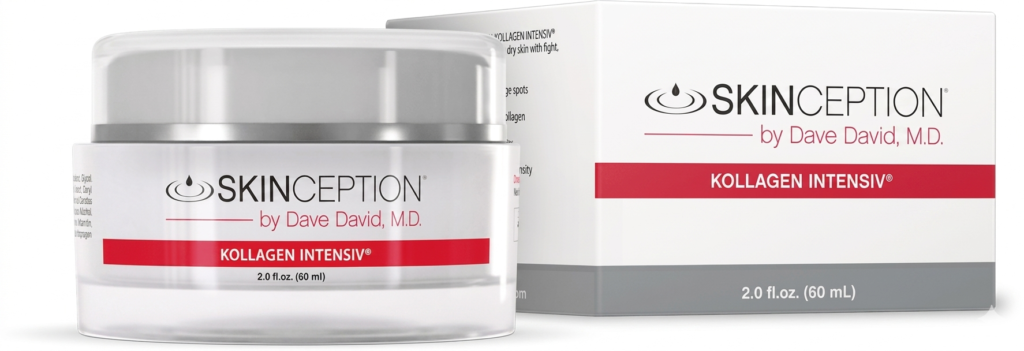
Could Kollagen Intensiv Be Part of Your Beauty Routine?
Once you have considered sleep, hydration, sun exposure, and other everyday factors, you may also want to explore products designed to complement an age-conscious skincare routine.
Kollagen Intensiv is a skincare product associated with concerns about visible ageing, including fine lines and skin firmness. It may appeal to people who want to pay more attention to the appearance of their skin, particularly as collagen production naturally declines with age.
When considering any anti-ageing product, it is important to look at its actual ingredients, directions, and available evidence rather than relying on broad promises.
A product’s potential benefits depend on its formulation, how it is used, and individual skin characteristics. No topical skincare product can guarantee the removal of dark circles, eliminate under-eye puffiness, or restore the collagen levels of younger skin.
For that reason, Kollagen Intensiv is best considered as one possible part of a broader beauty routine, alongside gentle cleansing, moisturising, sun protection, adequate sleep, and balanced nutrition.
Consistency matters, but realistic expectations matter just as much.

The Bottom Line: Fresher-Looking Eyes Start With Everyday Care
Tired-looking eyes can have many causes, from insufficient sleep and dehydration to allergies, sun exposure, and the natural changes that occur as your skin ages.
The key is to understand that dark circles, puffiness, and fine lines are not always problems that a single cream or lifestyle adjustment can solve.
Start with the factors you can influence. Improve your sleep routine, protect your skin from the sun, stay hydrated, avoid unnecessary irritation, and choose skincare products that suit your needs.
If you are also interested in addressing the visible signs of aging, a product such as Kollagen Intensiv may be worth considering as part of your overall beauty routine, provided its formulation and suitability align with your expectations.
Your eyes do not have to look perfectly smooth or completely free of shadows to look healthy and refreshed. With thoughtful daily care and realistic expectations, you can support your skin and feel more confident about the way it looks at every stage of life.
Keep discovering better ways to care for your eyes. Subscribe for more helpful
advice.