

Have you ever looked in the mirror after a full night’s sleep and wondered why your eyes still look exhausted? Perhaps you notice dark circles, puffy under-eyes, fine lines, or a dull appearance that makes you look older than you feel.
You’re not alone. Tired-looking eyes are a common concern, particularly as the skin around the eyes changes with age. The frustrating part is that getting more sleep doesn’t always solve the problem.
The reason may have less to do with how much rest you’re getting and more to do with hydration, circulation, genetics, allergies, and the natural ageing process.
Understanding what’s behind your appearance is the first step towards caring for your skin more effectively. Here are 10 possible reasons your eyes may look tired even when you’re getting enough rest, along with practical ways to support a fresher-looking appearance.
1. Natural Collagen Loss and Ageing Skin
One of the biggest changes that occurs as we age is the gradual decline in collagen production.
Collagen is a structural protein that helps give skin its firmness and support. As collagen levels decrease, the delicate skin around the eyes can become thinner, less firm, and more prone to fine lines.
This can make shadows more noticeable and contribute to an older, more tired appearance, even when you’re feeling perfectly fine.
Although collagen loss is a natural part of ageing, a consistent skincare routine, sun protection, and healthy lifestyle habits can help support the skin’s overall appearance.
Skinception kollagen Intensiv Official Website:
2. Dark Circles That Don’t Disappear
Dark circles are not always caused by a lack of sleep.
They can develop because of genetics, pigmentation, visible blood vessels beneath thin skin, or shadows created by the natural contours of your face.
As the under-eye area loses volume with age, hollows can become more noticeable. These hollows may cast shadows that resemble dark circles.
The best approach depends on the cause. Gentle skincare, daily sunscreen, and avoiding unnecessary rubbing may help, although some types of dark circles are difficult to eliminate completely.
3. Persistent Puffiness Around the Eyes
Do your eyes sometimes look swollen, especially in the morning?
Puffiness can occur when fluid accumulates around the eyes. Salty meals, allergies, hormonal changes, and sleeping positions can all contribute.
Ageing can also affect the tissues that support the area around the eyes, making under-eye bags more noticeable over time.
Try sleeping with your head slightly elevated, moderating your salt intake, and applying a cool compress for a few minutes in the morning.
If swelling is persistent, painful, or affects only one eye, seek medical advice rather than assuming it’s simply a cosmetic concern.
4. Dehydrated Skin and Fine Lines
Dehydrated skin can make the eye area look less smooth and more tired.
When the skin lacks sufficient moisture, fine lines may appear more pronounced, and the surface can look dull or uneven. This can happen even if you drink plenty of water, because hydration also depends on the skin’s ability to retain moisture.
A gentle moisturiser can help support the skin barrier and reduce moisture loss. Look for products formulated for the delicate eye area and avoid anything that causes irritation.
Remember that dehydration and permanent wrinkles are different concerns. Improving moisture levels may soften the appearance of fine lines without removing them.

5. Too Much Screen Time
Hours spent looking at computers, tablets, and phones can leave your eyes feeling strained and uncomfortable.
When concentrating on a screen, people often blink less frequently. This can contribute to dry eyes, irritation, and a tired feeling.
Screen time does not automatically cause permanent under-eye wrinkles, but squinting and rubbing irritated eyes can aggravate the delicate surrounding skin.
To give your eyes a break, try the 20-20-20 rule: every 20 minutes, look at something approximately 20 feet away for at least 20 seconds.
Adjusting screen brightness and taking regular breaks can also help reduce eye strain.
6. Allergies and Constant Eye Rubbing
Seasonal allergies, dust, and other irritants can cause itchy, watery, or swollen eyes.
Rubbing the area repeatedly may increase irritation and make the surrounding skin look red or darker. In some people, allergies also contribute to persistent under-eye puffiness.
If you suspect allergies, identifying and avoiding triggers where possible may help. A pharmacist or healthcare professional can advise you about suitable treatments.
Being gentle with the skin is particularly important because the under-eye area is thinner and more delicate than much of the skin on your face.

7. Not Getting Consistent, Quality Sleep
You can spend enough hours in bed and still wake up feeling unrefreshed if your sleep is frequently interrupted.
Poor-quality sleep may contribute to puffiness, a pale or dull complexion, and more noticeable dark circles.
Try maintaining a regular bedtime, reducing caffeine late in the day, and keeping your bedroom comfortable and dark.
If you regularly wake up exhausted despite allowing enough time for sleep, consider discussing the problem with a healthcare professional. Persistent tiredness can sometimes have causes that go beyond your bedtime routine.
8. Sun Exposure and Uneven Pigmentation
Sun exposure is an important contributor to visible skin ageing.
Ultraviolet radiation can damage skin structures over time, contribute to collagen breakdown, and encourage pigmentation changes. The result may be uneven skin tone, fine lines, and darker areas around the eyes.
Daily broad-spectrum sunscreen, sunglasses, and shade can help protect the skin from further sun damage.
Because the eye area is sensitive, choose sun protection that is suitable for use around the eyes and avoid getting products directly into them.
Protecting your skin consistently is often more useful than relying on occasional intensive treatments.

9. Lifestyle Habits That Affect Your Complexion
Your everyday habits can influence how fresh or tired your face looks.
Smoking, excessive alcohol consumption, an unbalanced diet, and prolonged stress may all affect skin health or contribute to a dull appearance.
A nutrient-rich diet provides the protein, vitamins, minerals, and other nutrients your body needs to maintain normal skin structure.
Include a variety of vegetables, fruit, whole grains, healthy fats, and protein sources in your meals. Drink fluids regularly, stay physically active, and make time for recovery.
You don’t need a perfect routine. Small, consistent improvements can be more sustainable than dramatic changes that are difficult to maintain.
10. Changes in Facial Volume and Skin Elasticity
Sometimes, tired-looking eyes have little to do with sleep, hydration, or skincare products.
As the face ages, changes in fat distribution, bone structure, and skin elasticity can alter the contours beneath the eyes. The area may appear more hollow, and natural shadows can become more pronounced.
Collagen contributes to the skin’s structural support, while elastin helps it stretch and return to shape. Changes in these structures can affect the way skin looks and feels.
Skincare may help improve surface hydration and texture, but creams cannot reliably restore lost facial volume or reverse every structural change.
Understanding this distinction can help you choose realistic skincare goals instead of spending money chasing results that topical products cannot deliver.
Where Does Kollagen Intensiv Fit Into Your Beauty Routine?
When tired-looking eyes are accompanied by fine lines, reduced firmness, or changes in skin texture, it’s understandable to look for ways to support a more youthful-looking complexion.
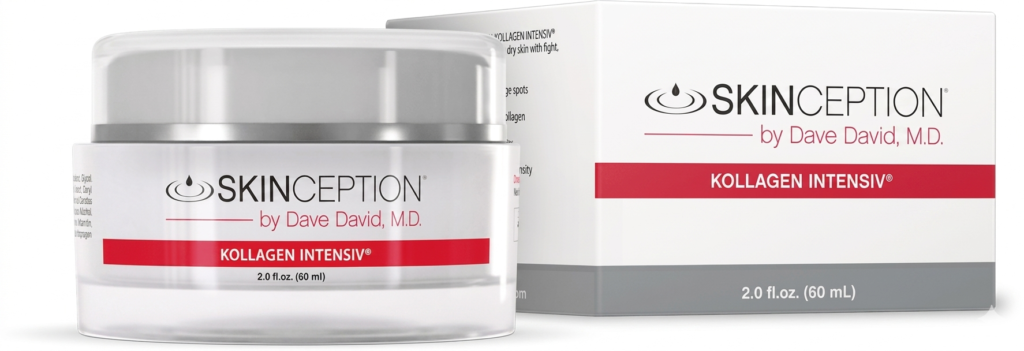
Kollagen Intensiv is a beauty product that may be worth considering as part of a broader skincare routine for people interested in the appearance of ageing skin.
However, it’s important to keep expectations realistic. Results depend on the product’s actual formulation, how it is used, and individual skin characteristics. Without sufficient product-specific clinical evidence, it would not be appropriate to promise that Kollagen Intensiv will eliminate dark circles, remove under-eye bags, or restore lost collagen.
A sensible approach is to consider the product alongside established skincare habits, including:
- Using a moisturiser suited to your skin type.
- Applying daily sun protection.
- Getting consistent, quality sleep.
- Maintaining a balanced diet and adequate hydration.
- Being gentle when cleansing and caring for the eye area.
If you are considering any product for use close to your eyes, check its ingredients and directions carefully. Avoid applying it to the eyelids or directly around the eyes unless the product is specifically intended for that area.
Think of your beauty routine as a combination of everyday care rather than a search for one miracle solution.
The Bottom Line: Tired-Looking Eyes Have More Than One Cause
If your eyes look tired even after rest, the answer may involve several factors working together.
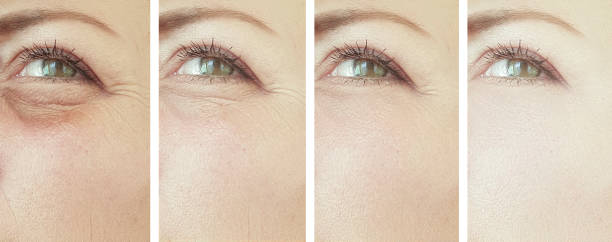
Collagen loss, thinner skin, dehydration, dark circles, puffiness, allergies, sun exposure, and lifestyle habits can all influence the appearance of the under-eye area.
The key is to identify which factors may be affecting you and choose a realistic approach to caring for your skin.
Consistent hydration, sun protection, gentle skincare, healthy habits, and suitable beauty products can all play a role in supporting a fresher-looking complexion.
Most importantly, remember that tired-looking eyes don’t necessarily mean you’re doing something wrong. Some changes are simply part of being human and growing older.
If the appearance of your eyes changes suddenly, or you experience persistent swelling, pain, vision changes, or unexplained darkening, seek medical advice.
Healthy-looking skin is rarely the result of one overnight fix. It’s the product of understanding your skin, caring for it consistently, and choosing solutions that match your needs.
Want more tips for younger-looking eyes? Subscribe for simple eye-care advice
delivered to your inbox.