

Have you ever looked in the mirror and wondered why your eyes appear tired, even after a reasonable night’s sleep? Dark circles under your eyes can make your entire face look less refreshed, and sometimes they seem more noticeable from one day to the next.
The surprising thing is that dark circles are not always caused by a lack of sleep. Your skin’s natural structure, hydration levels, genetics, daily habits, and the changes that come with ageing can all influence how the under-eye area looks.
Understanding what makes dark circles more noticeable is the first step toward caring for this delicate area. Here are 10 important factors to know, along with practical ways to support healthier-looking skin around your eyes.

1. Natural Skin Changes as You Age
As the years pass, your skin gradually changes. Collagen, a structural protein that helps keep skin firm and supported, naturally declines with age.
The under-eye area has particularly thin skin, so changes in its structure can become more apparent. As the skin loses some of its firmness and elasticity, underlying blood vessels and shadows may become easier to see.
This can make dark circles appear more pronounced, even when your skincare routine has not changed.
Consistent skincare, daily sun protection, and gentle moisturising can help support the appearance of the skin as it ages.
Skinception kollagen Intensiv Official Website:
2. Not Getting Enough Quality Sleep
Poor sleep is one of the most familiar reasons people notice darker-looking under-eyes.
When you do not get enough rest, your complexion may look dull, while puffiness and shadows around the eyes can become more noticeable. The contrast between the under-eye area and the surrounding skin may also make dark circles stand out.
Try to maintain a regular sleep schedule and aim for the amount of rest that helps you feel refreshed. For most adults, this is around seven to nine hours per night.
Although better sleep will not eliminate every type of dark circle, it may help reduce the tired appearance associated with insufficient rest.

3. Dehydration and Dry Under-Eye Skin
Hydration plays an important role in how smooth and supple your skin looks.
When your skin becomes dry, fine lines may appear more prominent, and the under-eye area can look less smooth. This can make existing shadows and uneven skin tone more noticeable.
Drinking enough water throughout the day supports normal bodily function, while a gentle moisturiser can help reduce moisture loss from the skin’s surface.
Look for skincare products designed for the delicate eye area, particularly if your skin is sensitive. Avoid rubbing or stretching the skin when applying them.
4. Genetics and Natural Facial Structure
Sometimes, dark circles have very little to do with your lifestyle.
Genetics can influence skin pigmentation, skin thickness, and the shape of the area beneath your eyes. Some people naturally have more pigment in this region, while others have deeper tear troughs that create shadows.
These structural differences can make dark circles visible even in people who sleep well and follow a consistent skincare routine.
Recognising the role of genetics is important because it helps set realistic expectations. Skincare may improve hydration and texture, but it cannot completely change your natural facial structure.

5. Sun Exposure and Uneven Skin Tone
Spending time in the sun without adequate protection can contribute to changes in skin pigmentation.
Ultraviolet radiation can stimulate melanin production, potentially making areas of existing pigmentation appear darker. Over time, sun exposure can also contribute to collagen breakdown and visible signs of skin ageing.
Because the skin around your eyes is delicate, protecting it deserves particular attention.
Helpful habits include the following:
- Applying broad-spectrum SPF 30 or higher sunscreen.
- Wearing sunglasses that provide UV protection.
- Using a hat when spending extended periods outdoors.
- Following the product instructions when applying sunscreen near the eyes.
Sun protection supports the long-term appearance of your skin and helps limit additional sun-related damage.
6. Allergies and Frequent Eye Rubbing
Allergies can cause itching, watering, irritation, and puffiness around the eyes.
When you repeatedly rub the area, the delicate skin may become irritated. In some people, ongoing inflammation can contribute to increased pigmentation, making dark circles more noticeable.
Allergies may also cause congestion around the nose, which can affect the appearance of the surrounding under-eye area.
If you suspect allergies are contributing to your dark circles, consider discussing suitable treatments with a healthcare professional. Avoid rubbing your eyes, and use gentle skincare products that do not cause additional irritation.

7. Puffy Eyes and Fluid Retention
Dark circles and puffiness often appear together, but they are not exactly the same problem.
Fluid can accumulate around the eyes, particularly after sleeping, eating a salty meal, or experiencing seasonal allergies. The resulting swelling may cast shadows that make the area look darker.
A cool compress applied gently for a few minutes may temporarily reduce puffiness. Sleeping consistently and moderating excessive salt intake may also help some people.
If swelling is persistent, severe, or painful, or it affects only one eye, seek medical advice rather than assuming it is simply a cosmetic concern.
8. Smoking and Other Lifestyle Habits
Lifestyle choices can influence the overall appearance of your skin.
Smoking exposes the body to substances that can damage collagen and contribute to premature skin ageing. Excessive alcohol consumption may also affect sleep and hydration, while prolonged stress can interfere with healthy routines.
None of these factors explains every case of dark circles, but they can contribute to a tired-looking complexion.
Supporting your skin does not require an overnight transformation. Regular sleep, balanced meals, physical activity, sun protection, and avoiding smoking are practical habits that benefit overall well-being as well as skin health.

9. Fine Lines That Create Extra Shadows
Fine lines around the eyes can make dark circles seem more prominent, particularly under certain lighting conditions.
As collagen and elastin change with age, the skin may gradually lose some of its firmness and flexibility. Repeated facial expressions, sun exposure, and naturally dry skin can also influence the appearance of fine lines.
When light falls across uneven skin, small creases can create shadows that intensify the impression of darkness.
A gentle moisturiser can temporarily make the skin look smoother by improving its surface hydration. Ingredients such as hyaluronic acid can help attract and retain moisture, while consistent sun protection helps limit further UV-related damage.
10. Your Skincare Routine and Product Choices
The products you use around your eyes can influence how the area looks and feels.
Harsh cleansers, irritating ingredients, or excessive exfoliation may leave the skin dry or inflamed. Applying too many products can also make it harder to identify what works for your skin.
A simple routine is often a sensible starting point:
- Cleanse gently without scrubbing.
- Apply a suitable moisturiser to support the skin barrier.
- Use daily sun protection.
- Introduce new products gradually, especially around sensitive areas.
It is also worth remembering that dark circles have different causes. A product that helps dryness may not significantly improve hereditary pigmentation or shadows caused by facial structure.
Why Collagen Support Matters for Ageing Skin
Collagen is an important part of the skin’s natural support system. As collagen levels change with age, skin firmness, elasticity, and texture can gradually change too.
This is one reason collagen has become a popular subject in beauty routines focused on maintaining a smoother, healthier-looking complexion.
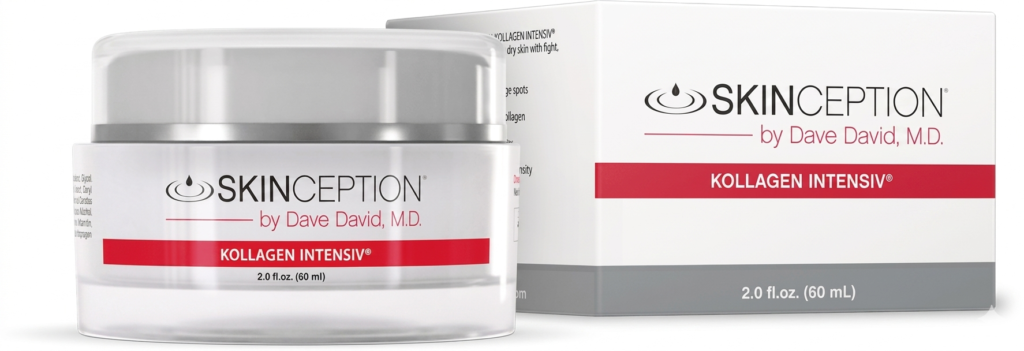
Kollagen Intensiv is an option that people interested in collagen-focused skincare may wish to consider as part of their broader beauty routine. Its suitability depends on the individual and the product’s actual ingredients, formulation, and directions for use.
It is important to keep expectations realistic. No collagen-focused product should be assumed to eliminate dark circles, reverse ageing, or produce guaranteed results. The effects of a topical skincare product also differ from those of an oral collagen supplement.
Before incorporating Kollagen Intensiv into your routine, review its ingredient list and intended use. Consider whether it addresses your particular skincare concerns, and discontinue use if it causes irritation.
A collagen-focused product should complement, rather than replace, basic habits such as moisturising, sun protection, adequate sleep, and a balanced lifestyle.
How to Make Dark Circles Less Noticeable
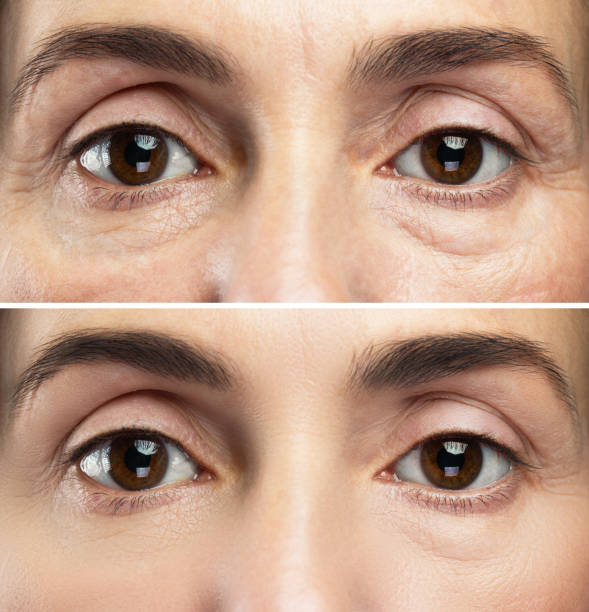
Dark circles under your eyes can have several causes, and more than one factor may be involved at the same time.
For some people, the main issue is pigmentation. For others, thin skin, natural facial structure, puffiness, dehydration, or age-related changes play a larger role.
The most useful approach is to identify the habits and skin concerns that apply to you instead of expecting one product to solve everything.
Prioritise gentle skincare, consistent sun protection, adequate sleep, and hydration. If dark circles appear suddenly, persist despite reasonable care, or occur alongside unusual symptoms, seek advice from a healthcare professional.
Ultimately, caring for the skin around your eyes is about supporting its natural appearance over time. Understanding what makes dark circles more noticeable allows you to make informed choices, develop a realistic beauty routine, and take better care of the delicate skin that helps express how you feel.
Keep discovering better ways to care for your eyes. Subscribe for more helpful
advice.