

Have you ever looked in the mirror after a full night’s sleep and wondered why your eyes still look tired? Dark circles can make your face appear less refreshed, even when you feel perfectly fine. Add a little puffiness, fine lines, or dry skin around the eyes, and the effect can become even more noticeable.
The good news is that you don’t always need an expensive eye cream or a complicated skincare routine to improve the appearance of tired-looking eyes. Small, consistent changes to how you care for your skin can help the under-eye area look smoother, brighter, and better hydrated.
Understanding what causes dark circles is the first step. From there, the right combination of skincare habits, hydration, and lifestyle choices can help you make the most of your natural appearance.

What Causes Dark Circles Under the Eyes?
Dark circles can develop for several reasons, and the cause isn’t always a lack of sleep.
The skin beneath your eyes is naturally thinner and more delicate than the skin on many other parts of your face. This means blood vessels can become more visible, creating a bluish or purplish appearance. In other cases, excess pigmentation can produce brownish shadows.
Ageing can also change the appearance of the under-eye area. As collagen and elastin gradually decline, skin can lose some of its firmness and resilience. Changes in facial volume may create hollows that cast shadows beneath the eyes.
Other contributing factors include genetics, dehydration, allergies, sun exposure, and lifestyle habits.
Because several factors can contribute to dark circles, the most effective approach is to focus on the causes you can influence rather than expecting one skincare product to solve everything.
Skinception kollagen Intensiv Official Website:
7 Skincare Tips to Make Dark Circles Look Less Noticeable

1. Keep the Under-Eye Area Properly Hydrated
Dehydrated skin can make fine lines appear more prominent and leave the under-eye area looking dull or creased.
A gentle moisturiser can help support the skin’s moisture barrier and improve the appearance of dryness. Ingredients such as hyaluronic acid and glycerin attract water to the skin, helping it look temporarily plumper and smoother.
Apply your moisturiser carefully, using your ring finger to pat a small amount around the orbital bone. Avoid pulling or rubbing the delicate skin.
Remember that hydration won’t necessarily remove dark circles caused by genetics or pigmentation, but it can help the surrounding skin look healthier and more refreshed.

2. Use a Cool Compress to Reduce Morning Puffiness
Sometimes, what makes your eyes look tired isn’t the darkness itself but the puffiness surrounding it.
Fluid can accumulate around the eyes overnight, making the area appear swollen. This can exaggerate shadows and make dark circles seem more noticeable.
A cool, clean washcloth placed over closed eyes for several minutes may help temporarily reduce puffiness.
You can also try keeping your skincare products in a cool place if the packaging and product instructions permit it.
Avoid placing ice directly on the skin, as extreme cold can cause irritation. Gentle cooling is enough to make this simple morning habit worthwhile.
3. Protect Your Skin From Sun Exposure
Sun exposure can contribute to pigmentation, uneven skin tone, and the gradual breakdown of collagen. Because the skin around your eyes is delicate, it deserves the same protection as the rest of your face.
Use a broad-spectrum sunscreen with SPF 30 or higher every day, including when the weather is cloudy. Choose a formula suitable for the eye area and avoid getting it into your eyes.
Sunglasses can provide additional protection while helping you avoid squinting in bright sunlight.
Consistent sun protection won’t erase existing dark circles overnight, but it can help prevent further sun-related pigmentation and support healthier-looking skin over time.
4. Choose Skincare Ingredients That Match Your Concerns
Not every eye cream addresses the same problem. Choosing ingredients based on your skin’s needs can make your routine more practical.
Consider these options:
- Hyaluronic acid: Helps attract moisture and temporarily plump the appearance of fine lines.
- Caffeine: May temporarily improve the appearance of puffiness in some topical formulations.
- Niacinamide: Can support the skin barrier and may help improve uneven skin tone.
- Retinoids: May help improve the appearance of fine lines over time, although they can irritate delicate skin and should be introduced cautiously.
Start with one new product at a time, especially if your skin is sensitive. Follow the product instructions and discontinue use if irritation develops.
If your main concern is pigmentation, persistent darkness, or pronounced hollowness, remember that skincare products may offer only limited improvement depending on the underlying cause.
5. Support Your Skin’s Natural Collagen
Collagen is an important structural protein that helps give skin its firmness and support. As we age, collagen production gradually declines, contributing to changes in skin texture, elasticity, and the appearance of fine lines.
The under-eye area can be particularly affected because its skin is thin and delicate.
You cannot completely stop the natural ageing process, but certain habits can help support your skin. These include wearing sunscreen, avoiding smoking, eating a balanced diet, and maintaining a consistent skincare routine.
Protein-rich foods provide amino acids that the body uses to build and maintain its tissues. Foods containing vitamin C, such as berries, citrus fruits, and capsicum, also contribute to normal collagen formation.
Collagen-focused skincare and nutritional products are another option some people explore as part of their broader beauty routine. However, their effects vary, and no product should be expected to restore lost collagen completely or eliminate dark circles.

6. Improve Sleep and Everyday Hydration
Late nights, irregular sleep patterns, and dehydration can make your eyes look more tired than usual.
Although getting enough sleep won’t eliminate every type of dark circle, a consistent sleep schedule may help reduce the tired appearance associated with insufficient rest.
Try to establish a regular bedtime, limit late-night screen use if it interferes with your sleep, and keep your bedroom comfortable.
Drinking enough water throughout the day is also important for general health. If you’re dehydrated, your skin may look less fresh, although drinking extra water beyond your needs won’t necessarily correct persistent under-eye darkness.
If morning puffiness is a recurring problem, you might also find it helpful to slightly elevate your head while sleeping.
7. Consider Kollagen Intensiv as Part of Your Beauty Routine
When you’re trying to improve the appearance of ageing skin, it can be tempting to search for one product that addresses everything at once. A more realistic approach is to combine sensible skincare habits with products that fit your individual goals.
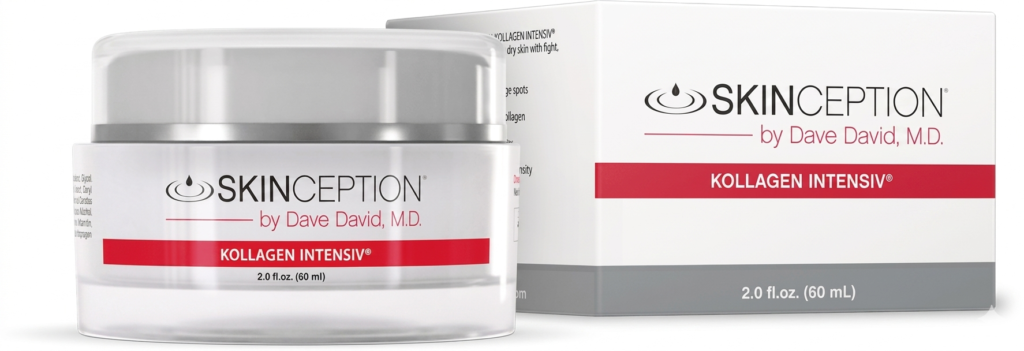
Kollagen Intensiv is an option for people interested in a collagen-focused beauty routine. It may appeal to those looking to complement their existing approach to concerns such as visible fine lines and the appearance of ageing skin.
Before adding any product, check its ingredient list, intended use, and directions to determine whether it suits your needs. Individual results can differ, and benefits depend on the formulation and how the product is used.
It’s also important to keep expectations realistic. Kollagen Intensiv should not be viewed as a guaranteed treatment for dark circles, under-eye puffiness, pigmentation, or loss of facial volume. Those concerns can have different causes and may require different approaches.
For many people, the most sensible strategy is to treat a collagen-focused product as one possible part of a broader routine that includes moisturising, sun protection, adequate sleep, and balanced nutrition.
When Should You Seek Professional Advice?
If your dark circles persist despite consistent skincare, it may be worth discussing them with a qualified healthcare professional or dermatologist.
They can help identify whether pigmentation, allergies, visible blood vessels, skin changes, or under-eye hollows are contributing to the problem.
Seek medical advice promptly if the darkness or swelling appears suddenly, particularly if it affects only one eye or comes with pain, redness, or changes in vision.
Understanding the cause can help you avoid spending money on products that aren’t suited to your concerns.

A More Refreshed Look Starts With Consistency
Dark circles can make you look tired, but they don’t always mean you’re doing something wrong with your skincare. Genetics, natural ageing, pigmentation, and everyday habits can all influence the appearance of the under-eye area.
The seven tips above offer a practical starting point: hydrate your skin, reduce morning puffiness, protect against sun damage, choose suitable ingredients, support collagen, prioritise sleep, and consider products such as Kollagen Intensiv within a balanced beauty routine.
Rather than expecting overnight changes, focus on small habits you can maintain. With a little patience and a better understanding of your skin, you can work towards a smoother, more hydrated, and refreshed-looking appearance while keeping your expectations realistic.
Want more tips for younger-looking eyes? Subscribe for simple eye-care advice
delivered to your inbox.