

You have had a full night’s sleep, woken up feeling refreshed, and looked in the mirror expecting brighter, healthier-looking eyes. Instead, those familiar dark circles are still there. Your under-eye area may even look puffy, shadowed, or older than you feel.
So, why do dark circles remain visible even when you are sleeping well?
The truth is that dark circles are not always caused by a lack of sleep. Genetics, natural skin changes, dehydration, allergies, and the delicate structure of the under-eye area can all influence how your eyes look. Understanding what contributes to their appearance can help you make better decisions about your skincare and beauty routine.
Here are eight possible reasons your dark circles may be difficult to shift, along with practical ways to care for the delicate skin around your eyes.

1. Genetics May Play a Bigger Role Than You Think
If dark circles have been part of your appearance for years, your genes may be contributing to them.
Some people naturally have more pigmentation beneath their eyes, thinner under-eye skin, or facial features that create shadows in this area. These characteristics can make dark circles noticeable regardless of how consistently someone sleeps.
You might also notice that family members have similar under-eye colouring.
What may help: A gentle skincare routine, daily sun protection, and suitable products for your skin type can support the appearance of the under-eye area. However, skincare cannot completely change genetically determined facial structure or pigmentation.
Skinception kollagen Intensiv Official Website:
2. Collagen Loss Can Make Under-Eye Shadows More Noticeable
Collagen is a structural protein that helps support the skin’s firmness and elasticity. As we age, the body’s natural collagen production gradually declines, contributing to changes in skin texture and resilience.
The skin beneath the eyes is particularly delicate. As it becomes thinner or loses some of its supportive structure, underlying blood vessels may become more visible. Changes in facial volume can also create hollows that cast shadows beneath the eyes.
This can make the area look darker even when you feel rested.
Fine lines may become more noticeable at the same time, adding to the impression of tired-looking eyes.
What may help: Daily sun protection, moisturising skincare, and a balanced diet containing adequate protein and essential nutrients can support overall skin health. Ingredients such as retinoids may also help improve certain signs of skin ageing when used appropriately, although the eye area requires particular care.

3. Dehydration Can Make the Skin Look Less Fresh
Even if you sleep for eight hours, you may not be drinking enough fluids throughout the day.
When your body needs more fluid, your skin can appear less plump, and existing fine lines may become more noticeable. The under-eye area can look less smooth, making shadows and dark circles stand out.
Dehydration is not the cause of every case of dark circles, but it may contribute to a tired-looking appearance.
What may help: Drink water regularly throughout the day, particularly in hot weather or after physical activity. Use a gentle moisturiser suited to your skin, as maintaining the skin’s moisture barrier can help it look smoother and more comfortable.
Remember that moisturiser supports the skin’s surface hydration; it does not replace the body’s need for adequate fluids.
4. Allergies May Be Affecting the Area Around Your Eyes
Do your dark circles become more noticeable during certain seasons or when your allergies flare up?
Allergies can cause inflammation, itching, and congestion around the nose and eyes. These changes may make the area beneath your eyes appear darker, sometimes creating what are commonly called allergic shiners.
Rubbing itchy eyes can also irritate the delicate skin, potentially worsening discolouration and puffiness.
What may help: Avoid rubbing your eyes, identify potential allergy triggers, and consider discussing persistent symptoms with a healthcare professional. Managing the underlying allergy may improve the appearance of the area when allergies are contributing to the problem.

5. Sun Exposure Can Increase Under-Eye Pigmentation
The skin around your eyes is exposed to the same environmental factors as the rest of your face, including ultraviolet radiation.
Repeated sun exposure can contribute to pigmentation and premature skin ageing. If the under-eye area develops additional pigmentation, dark circles may become more prominent over time.
This is one reason why a skincare routine focused only on moisturising may not address every cause of under-eye darkness.
What may help: Apply a broad-spectrum sunscreen with SPF 30 or higher to suitable areas around the eyes, following the product instructions and avoiding direct contact with the eyes. Sunglasses can provide additional protection and help reduce squinting in bright conditions.
Consistency matters more than relying on occasional skincare treatments.
6. Puffiness Can Create Shadows That Look Like Dark Circles
Sometimes, the darkness you see beneath your eyes is partly a shadow rather than pigmentation.
Fluid retention can make the area around the eyes appear swollen, especially in the morning. Depending on your facial structure and the direction of the light, that swelling can create shadows that make the under-eye area look darker.
Salty meals, allergies, and individual differences in fluid retention may contribute to temporary puffiness.
What may help: Try a cool compress for a few minutes, avoid excessive rubbing, and consider whether late-night salty meals affect your morning appearance. Sleeping with your head slightly elevated may also help some people with overnight fluid accumulation.
If swelling is persistent, severe, or accompanied by other symptoms, seek medical advice.

7. Your Sleep Quality May Matter as Much as Sleep Duration
Sleeping well is about more than counting hours.
You might spend eight hours in bed but still experience disrupted sleep, an inconsistent schedule, or breathing problems that interfere with restorative rest.
Poor sleep can make existing dark circles and puffiness more noticeable, although it is rarely the only explanation for persistent under-eye darkness.
Stress and irregular routines may also affect your overall appearance and daily skincare habits.
What may help: Maintain a consistent bedtime, create a relaxing evening routine, and reduce late-day caffeine if it interferes with your sleep. If you regularly wake feeling unrefreshed despite sufficient sleep, consider discussing this with a healthcare professional.
Improving sleep habits can support your general wellbeing even when genetics or pigmentation remain contributing factors.
8. Your Skin May Need More Than an Eye Cream
It is tempting to search for one product that will make dark circles disappear. However, different causes require different approaches.
A moisturising eye cream may help soften the appearance of fine lines caused by dryness, while ingredients targeting pigmentation may be more relevant for certain types of discolouration. Neither approach can fully correct shadows caused by facial hollows or genetics.
This is where understanding your overall skin health becomes important.
Collagen production, skin hydration, elasticity, nutrition, and environmental protection all play roles in how your skin looks as it ages. No single cream or supplement can address every one of these factors.
What may help: Build a realistic routine around gentle cleansing, moisturising, sun protection, adequate nutrition, and consistent sleep. Give suitable products time to work, and avoid introducing several strong ingredients around your eyes at once.
If dark circles change suddenly, affect only one eye, or occur with pain or significant swelling, seek medical assessment.
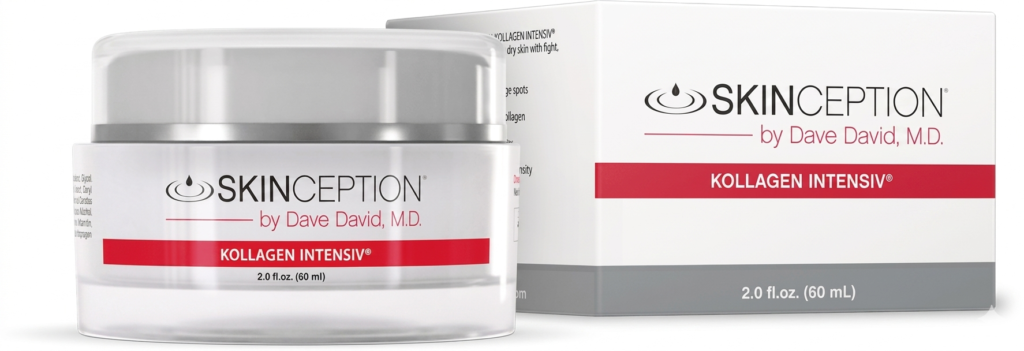
Could Kollagen Intensiv Be Part of Your Beauty Routine?
When dark circles are accompanied by fine lines, changes in skin texture, or concerns about ageing skin, it is understandable to look beyond topical skincare.
Kollagen Intensiv may be an option to consider as part of a broader beauty routine, particularly for people interested in supporting the appearance of mature skin. Before choosing any collagen-related product, check its ingredient list, directions, suitability for your circumstances, and the evidence supporting its specific claims.
It is also important to keep expectations realistic. A collagen product is not a guaranteed treatment for dark circles. The appearance of the under-eye area depends on several factors, including pigmentation, genetics, blood vessels, fluid retention, and changes in facial structure.
Evidence for collagen supplements varies by formulation and outcome, and findings from studies of one product cannot automatically be applied to another. Results, if any, may differ between individuals.
A sensible approach is to view Kollagen Intensiv as one possible component of your overall beauty routine rather than a replacement for good skincare, sun protection, balanced nutrition, or appropriate medical advice.
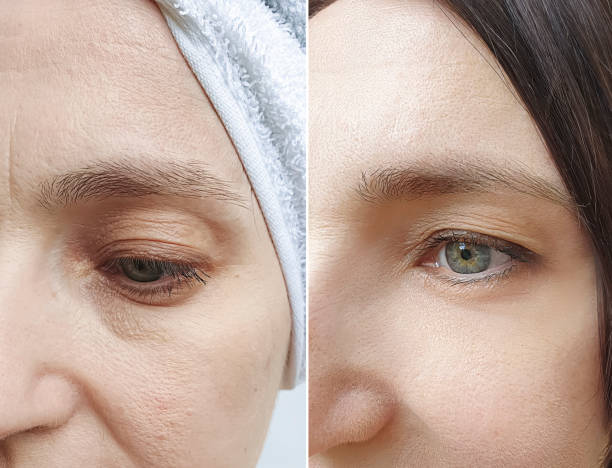
Final Thoughts: Look Beyond Sleep When Addressing Dark Circles
If you are sleeping well but still have dark circles, it does not necessarily mean you are doing something wrong.
The cause may be inherited pigmentation, collagen loss, dehydration, allergies, sun exposure, puffiness, or a combination of several factors. Identifying what contributes to your particular under-eye concerns is the first step towards choosing a more appropriate approach.
Focus on habits that support your skin over time: protect it from the sun, maintain hydration, moisturise regularly, eat a balanced diet, and prioritise consistent sleep.
Most importantly, remember that healthy-looking skin does not mean having a completely flawless under-eye area. With realistic expectations and a routine suited to your needs, you can take practical steps towards skin that looks cared for, refreshed, and healthy at every age.
Want more tips for younger-looking eyes? Subscribe for simple eye-care advice
delivered to your inbox.