

Have you ever looked in the mirror first thing in the morning and wondered why your eyes look tired, puffy, or older than you feel? Even after a full night’s sleep, your under-eye area might appear dull, dark, or lined, leaving you searching for an explanation.
The truth is that tired-looking eyes are not always caused by a lack of sleep. Your skin’s natural ageing process, overnight fluid retention, dehydration, allergies, and everyday habits can all influence how your eyes look when you wake up.
Understanding what’s behind those morning changes can help you build a skincare routine that supports a fresher, more rested appearance. Here are seven possible explanations for dull-looking eyes and what you can do about them.

1. Fluid Retention Can Cause Morning Puffiness
One of the most common reasons your eyes look different in the morning is fluid retention. When you lie down for several hours, fluid can accumulate around the delicate tissues beneath your eyes.
This can make your under-eye area appear swollen or heavy, creating the impression of tiredness even when you’ve slept well.
Eating salty foods late in the evening, drinking alcohol, or experiencing hormonal fluctuations may contribute to temporary puffiness.
What may help:
- Sleep with your head slightly elevated.
- Apply a cool compress to your closed eyes for a few minutes.
- Be mindful of excessive salt intake, particularly in the evening.
- Maintain a consistent sleep schedule.
If the puffiness is mainly noticeable when you wake up and gradually improves throughout the day, temporary fluid retention may be contributing.
Kollagen Intensiv Official Website:
2. Dehydration Can Make the Eye Area Look Less Fresh
Your skin needs adequate moisture to maintain a smooth, comfortable appearance. When you’re dehydrated, your skin may look less plump, and fine lines can become more noticeable.
The skin beneath your eyes is naturally thin, so changes in hydration may be particularly visible there. Dry skin can also reflect light differently, making the area appear dull rather than bright and refreshed.
Dehydration can result from inadequate fluid intake, sweating, alcohol consumption, or other everyday factors.
To support your skin, drink water regularly throughout the day and use a gentle moisturiser suited to your skin type. Products containing ingredients such as glycerin or hyaluronic acid can help attract and retain moisture in the skin.
Remember that moisturising can improve the appearance of surface dryness, but it does not permanently eliminate wrinkles or reverse the natural ageing process.

3. Collagen Loss May Contribute to Under-Eye Changes
Have you noticed that the skin beneath your eyes doesn’t look quite as firm as it once did?
Collagen is a structural protein that helps provide skin with support and firmness. As you age, your body produces less collagen, and existing collagen gradually changes. Over time, this can contribute to reduced skin elasticity and the appearance of fine lines.
Because the under-eye area has relatively thin skin, these changes can become noticeable around the eyes before they appear elsewhere on the face.
Collagen loss isn’t necessarily the reason your eyes look dull on a particular morning. However, it may be one factor behind longer-term changes in skin texture, firmness, and the visibility of wrinkles.
A consistent skincare routine, daily sun protection, adequate nutrition, and healthy lifestyle habits can help support the skin as it ages.
Some people also explore collagen-focused beauty products as part of their broader approach to maintaining healthy-looking skin.

4. Dark Circles May Be More Noticeable After Waking
Dark circles can make your entire face appear tired, even when you feel perfectly alert.
There isn’t just one cause of dark circles. They may be influenced by genetics, pigmentation, visible blood vessels beneath thin skin, facial anatomy, or changes associated with ageing.
For some people, morning puffiness creates shadows beneath the eyes, making existing dark circles appear more prominent. Others may notice that the contrast between their under-eye area and the surrounding skin makes their eyes look less bright.
Rubbing your eyes frequently can also irritate the delicate skin and contribute to changes in its appearance.
If dark circles are a regular concern, consider using a gentle eye-area moisturiser, avoiding unnecessary rubbing, and applying broad-spectrum sunscreen daily.
It’s worth remembering that skincare products may improve certain aspects of the under-eye area, but dark circles caused primarily by genetics or facial structure may not disappear with topical treatments.
5. Poor Sleep Quality Can Affect Your Appearance
Getting enough hours in bed doesn’t always mean you’ve had restorative sleep.
Interrupted sleep, inconsistent bedtimes, stress, and late-night screen habits can leave you feeling tired the following morning. Poor sleep may also make under-eye puffiness and dark circles more noticeable.
When you’re exhausted, your facial expression and overall appearance can contribute to the impression of dullness, even if your skin itself hasn’t changed significantly.
Try to maintain a regular bedtime, create a comfortable sleeping environment, and establish a relaxing wind-down routine.
Limiting caffeine late in the day and reducing stimulating activities before bed may also help support better sleep.
Although improving sleep won’t reverse collagen loss or remove every fine line, it can make a meaningful difference to how rested you look and feel.

6. Allergies and Irritation Can Leave Eyes Looking Tired
Seasonal allergies, dust, pet dander, and certain skincare or cosmetic ingredients can trigger irritation around the eyes.
Allergies may cause watery eyes, itching, redness, and swelling. Rubbing the area repeatedly can make irritation worse and may contribute to the appearance of dark circles.
If your eyes often look puffy in the morning, consider whether your bedroom environment, bedding, or evening skincare products could be contributing.
Avoid applying irritating products too close to your eyes, and choose gentle, fragrance-free skincare if your skin is sensitive.
If symptoms persist, a pharmacist or healthcare professional can help you identify suitable options for managing suspected allergies.
Sudden swelling, significant pain, vision changes, or redness affecting one eye should be assessed promptly by a healthcare professional.
7. Natural Skin Ageing and Reduced Elasticity Can Change Your Eye Area
Even when you sleep well, drink enough water, and follow a skincare routine, your eyes may gradually develop a different appearance as you age.
Over time, the skin’s collagen and elastin networks change. Skin may become thinner, less elastic, and more prone to fine lines. Changes in the distribution of facial fat and the tissues around the eyes can also create shadows or hollows.
These natural changes may make the eye area appear less smooth or bright than it did years ago.
Sun exposure is another important consideration because ultraviolet radiation contributes to premature skin ageing. Daily broad-spectrum sunscreen, sunglasses, and other sun-protective habits can help protect the delicate skin around your eyes.
A realistic approach focuses on supporting your skin rather than expecting to eliminate every sign of ageing.
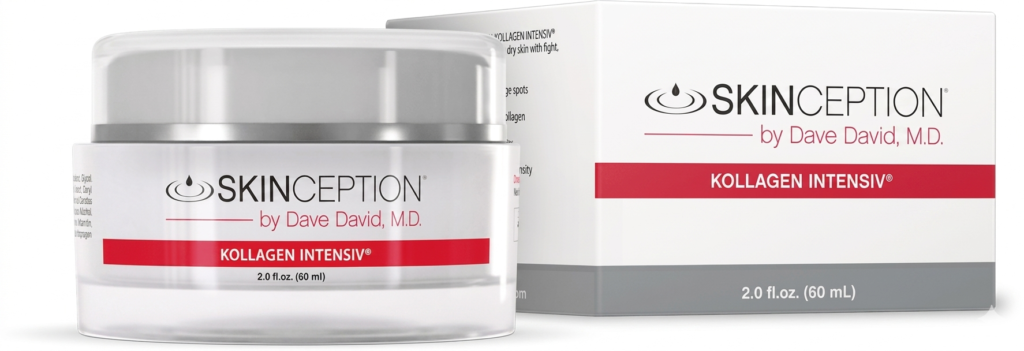
Could Kollagen Intensiv Fit Into Your Beauty Routine?
If you’re concerned about fine lines, skin firmness, and the visible effects of ageing, you may be interested in exploring collagen-focused beauty products.
Kollagen Intensiv is a product that may appeal to people looking to incorporate an anti-ageing skincare option into their broader beauty routine.
When considering any product, it’s important to understand what it contains, how it is intended to be used, and what evidence supports its specific claims. Results can vary depending on the formulation, individual skin characteristics, and consistency of use.
No single beauty product can address every cause of dull-looking eyes. For example, a topical product cannot necessarily resolve fluid retention, allergies, sleep problems, or dark circles caused by genetics.
For a balanced approach, consider combining an appropriate skincare routine with adequate hydration, nutritious meals, quality sleep, and daily sun protection. If you choose to use Kollagen Intensiv, view it as one possible component of that routine rather than a guaranteed solution for under-eye wrinkles or puffiness.
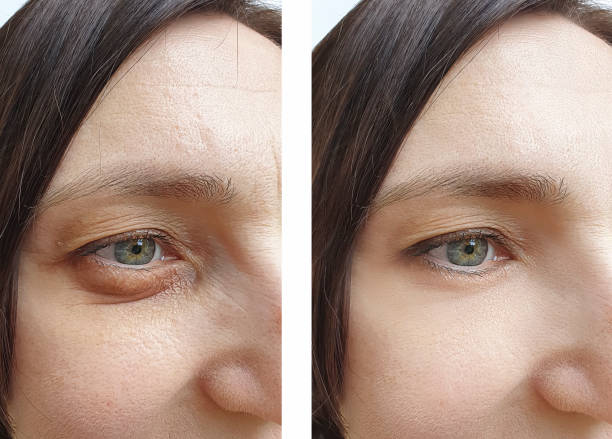
How to Help Your Eyes Look fresher in the morning.
You don’t necessarily need an elaborate routine to support a more refreshed appearance. Small, consistent habits can make a difference to how your skin looks and feels.
Start with these practical steps:
- Prioritise sleep: Aim for a regular sleep schedule and a comfortable sleeping environment.
- Support hydration: Drink water throughout the day and moisturise dry skin.
- Protect against sunlight: Use broad-spectrum sunscreen and wear sunglasses outdoors.
- Reduce irritation: Avoid rubbing your eyes and choose gentle skincare products.
- Maintain balanced nutrition: Include a variety of protein-rich foods, fruits, vegetables, and other nutrient-dense options.
- Be patient with skincare: Give suitable products time to work, and keep expectations realistic.
If changes around your eyes are persistent, unexplained, or accompanied by other symptoms, seek professional advice rather than assuming they are simply signs of ageing.
Final Thoughts
Dull-looking eyes in the morning can have several explanations, from temporary fluid retention and dehydration to allergies, sleep quality, collagen loss, and natural changes in skin elasticity.
The most useful first step is to consider which factors might be affecting your own appearance. Morning puffiness that fades during the day may require a different approach from persistent dark circles or fine lines that have gradually become more noticeable over time.
By understanding these differences and adopting consistent skincare and lifestyle habits, you can better support a fresh, healthy-looking eye area as your skin changes with age.
The goal isn’t to look as though you’ve never aged. It’s to care for your skin thoughtfully, understand what it needs, and make realistic choices that help you feel comfortable and confident in your appearance.
Don’t stop here. Subscribe for more practical tips on caring for your eyes as
they age.