

Have you ever looked in the mirror and wondered why your eyes appear puffy, swollen, or unusually tired when you feel perfectly fine? You might have slept well, drunk plenty of water, and followed your usual skincare routine, yet the area around your eyes still looks different from how you remember it.
You’re not alone. Puffy eyes are a common concern, particularly for people noticing changes in their appearance as they get older. Sometimes the cause is temporary, such as fluid retention or seasonal allergies. In other cases, natural changes in the delicate skin around the eyes may play a role.
Understanding why your eyes look swollen is the first step towards finding a skincare routine and daily habits that support a fresher, more rested appearance.

1. Fluid Retention Around the Eyes
One of the most common explanations for puffy eyes is fluid retention. The skin surrounding your eyes is exceptionally thin, making even small amounts of trapped fluid more noticeable.
You might notice swelling when you wake up in the morning, especially after eating a salty meal the previous evening. Salt can encourage your body to retain water, and some of that fluid may collect around your eyes overnight.
Lying flat for several hours can also contribute to temporary puffiness.
What may help:
- Reduce excessive salt in your diet.
- Drink water regularly throughout the day.
- Try sleeping with your head slightly elevated.
- Apply a cool compress to closed eyes for several minutes.
If the swelling is related to fluid retention, these simple adjustments may help improve its appearance.
Kollagen Intensiv Cream Official Website:
2. Seasonal Allergies and Irritation
Your eyes can look swollen even when you otherwise feel healthy because of allergies or irritation.
Pollen, dust, pet dander, and other environmental triggers may cause inflammation around the eyes. You might also experience itching, redness, watery eyes, or frequent rubbing.
Rubbing can make the surrounding skin more irritated and contribute to puffiness. Some skincare products, cosmetics, and cleansers may also trigger sensitivity.
If your eyes become puffy after introducing a new product, consider whether irritation could be responsible.
Avoid rubbing your eyes, and consider discussing persistent allergy symptoms with a healthcare professional or pharmacist. Sudden swelling accompanied by difficulty breathing or swelling of the tongue or throat requires emergency medical attention.

3. Not Getting Enough Quality Sleep
You don’t always have to feel exhausted for poor sleep to affect your appearance.
Inconsistent sleep schedules, frequent waking, and insufficient rest can contribute to a tired-looking face. Dark circles may also appear more noticeable, particularly when combined with puffiness or changes in skin tone.
Although sleep doesn’t explain every case of swollen eyes, maintaining a consistent routine can support your overall appearance and wellbeing.
Aim for sufficient sleep each night, keep your bedroom comfortable, and reduce stimulating activities before bedtime.
Remember that sleeping longer isn’t necessarily the answer if your puffiness is caused by allergies, fluid retention, or age-related changes.
4. Natural Collagen Loss and Ageing Skin
As you age, your skin gradually changes. One important factor is collagen, a structural protein that helps provide skin with firmness and support.
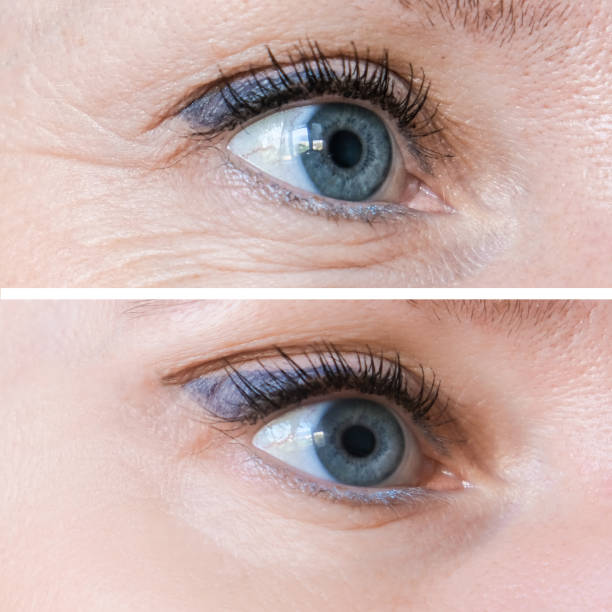
Over time, collagen production declines, and the skin can become thinner and less elastic. These changes may make fine lines, under-eye wrinkles, and uneven skin texture more noticeable.
The tissues supporting the area around your eyes also change with age. Fat beneath the eyes may shift forward, creating bags or shadows that resemble swelling.
This is an important distinction: not every puffy-looking eye is caused by excess fluid. Sometimes, what appears to be swelling is related to the natural structure of the under-eye area.
Skincare can help support the skin’s surface, hydration, and appearance, but it cannot reverse every structural change associated with ageing.

5. Dehydration and Reduced Skin Hydration
When your skin lacks moisture, fine lines may appear more prominent, and the area beneath your eyes can look less smooth.
Dehydration may contribute to a tired appearance, although it is not the only explanation for dark circles or puffiness.
Your skin also loses some of its ability to retain moisture as it ages. This can leave the under-eye area looking dry or creased, particularly if you use harsh cleansers or products that irritate the skin.
To support skin hydration, drink enough fluids for your needs and use a gentle moisturiser suitable for the delicate eye area.
Ingredients such as hyaluronic acid and glycerin can help attract and retain moisture in the skin’s outer layers. Well-hydrated skin may look smoother, although hydration alone will not eliminate under-eye bags.
6. Hormonal Changes and Everyday Lifestyle Habits
Hormonal fluctuations can influence fluid balance, while everyday habits may affect how your eyes look from one day to the next.
Alcohol consumption, a high-sodium diet, inconsistent sleep, and prolonged exposure to environmental irritants may contribute to temporary puffiness in some people.
Stress can also disrupt sleep and make healthy routines harder to maintain.
Instead of focusing on a single cause, look for patterns. Do your eyes appear puffier after a late night, a particularly salty dinner, or certain times of the month?
Keeping track of these patterns may help you identify personal triggers and make practical adjustments.
Persistent or unexplained swelling, however, should not automatically be attributed to lifestyle. Certain medical conditions and medications can also cause puffiness.

7. Genetics and the Natural Shape of Your Eyes
Sometimes, puffy eyes have very little to do with what you eat, how much water you drink, or how well you sleep.
Genetics can influence the thickness of your skin, the distribution of fat beneath your eyes, and the shape of the area surrounding them.
If under-eye bags run in your family, you may notice similar features even when you maintain healthy habits.
The natural contours of your face can also create shadows that resemble dark circles or swelling. As the skin changes with age, these features may become more noticeable.
A consistent skincare routine may help improve hydration and skin texture, but genetics and facial anatomy cannot be completely changed with topical products.
Understanding this can help you set realistic expectations rather than constantly searching for a product that promises to eliminate every sign of tired-looking eyes.
8. Underlying Health Conditions
Although many cases of mild puffiness are harmless, persistent swelling can sometimes indicate an underlying health issue.
Conditions affecting the thyroid, kidneys, or other parts of the body may contribute to swelling around the eyes. Eye infections and inflammation can also cause noticeable changes.
Pay attention to when the swelling occurs, whether it affects one or both eyes, and whether other symptoms appear.
Seek medical advice if the puffiness persists, keeps returning without an obvious explanation, or is accompanied by other unusual symptoms. Sudden swelling, severe pain, fever, changes in vision, or significant redness warrants prompt medical assessment.
If you experience sudden swelling of the lips or tongue or have difficulty breathing, seek emergency help.
Supporting a Fresher-Looking Eye Area with a Consistent Skincare Routine
Once you’ve considered the possible causes, it helps to focus on habits that support the delicate skin around your eyes.
A practical beauty routine doesn’t need to be complicated. Gentle cleansing, regular moisturising, sun protection, adequate sleep, and a balanced diet can all play a role in maintaining healthy-looking skin.
Because collagen helps support skin structure, it is also worth understanding how your skincare choices fit into your broader approach to skin ageing.
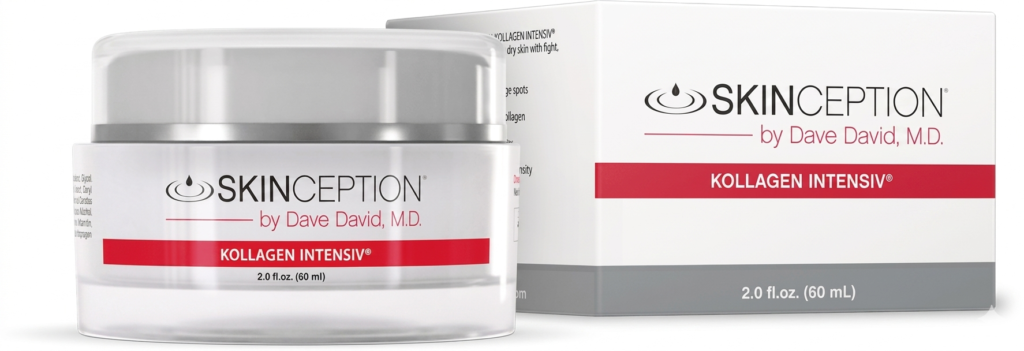
Kollagen Intensiv may be an option for people exploring products designed for the appearance of ageing skin. When considering it as part of your beauty routine, review its ingredient list, intended use, and available evidence to determine whether it suits your needs.
Keep your expectations realistic. A cosmetic product may help support the appearance of smoother, more hydrated skin, depending on its formulation, but it should not be assumed to remove fluid retention, eliminate genetic under-eye bags, or treat an underlying medical condition.
Consistency matters, too. Giving your skincare routine time to work while avoiding irritating products can be more useful than frequently switching between treatments in search of an overnight transformation.
Final Thoughts: Why Do Your Eyes Look Swollen When You Feel Fine?
Puffy eyes don’t always mean you’re tired or doing something wrong. Fluid retention, allergies, sleep quality, hydration, collagen loss, genetics, and other factors can all influence the appearance of the eye area.
The key is to identify what might be contributing to the change rather than assuming every case of puffiness has the same cause.
Start with simple habits, pay attention to how your skin responds, and choose skincare products that match your needs and expectations. If swelling is persistent, unexplained, or accompanied by concerning symptoms, seek appropriate medical advice.
With a better understanding of your skin and a realistic approach to daily care, you can make more informed decisions about maintaining a fresher, healthier-looking appearance as you age.
Want more tips for younger-looking eyes? Subscribe for simple eye-care advice
delivered to your inbox.