

Have you ever looked in the mirror after a full night’s sleep and wondered why your eyes still look tired? Dark circles, puffy under-eyes, fine lines and dull-looking skin can make your entire face appear older or more exhausted than you actually feel.
The good news is that a fresher appearance doesn’t always require an expensive eye cream or a complicated beauty routine. Small, consistent changes to your skincare habits, hydration and daily lifestyle can help the delicate skin around your eyes look smoother, brighter and more refreshed.
Understanding what causes tired-looking eyes is the first step. Once you know what your skin needs, you can choose simple ways to support its natural appearance as it ages.

Why Do Your Eyes Look Tired Even When You’re Rested?
The skin around your eyes is thinner and more delicate than much of the skin on your face. This makes changes in hydration, circulation and skin structure particularly noticeable.
Several factors can contribute to a tired appearance, including:
- Dark circles: Genetics, pigmentation and visible blood vessels can create shadows beneath the eyes.
- Puffiness: Fluid retention, allergies, salty meals and insufficient sleep may contribute to swelling.
- Fine lines: Natural ageing and repeated facial movements can make small creases more noticeable.
- Loss of firmness: As collagen production declines with age, skin can gradually lose some of its elasticity and support.
- Lifestyle habits: Dehydration, sun exposure, smoking and irregular sleep patterns can affect the appearance of the skin.
Because these concerns have different causes, the best approach is to build a routine that addresses several factors rather than relying on a single product.
kollagen intensiv Cream Official Website:
1. Start With a Consistent Sleep Routine
One of the simplest ways to improve the appearance of tired eyes is to prioritise regular, restorative sleep.
Poor sleep can make dark circles and puffiness more noticeable, leaving the eye area looking less refreshed. Adults generally need seven to nine hours of sleep each night, although individual needs vary.
Try going to bed and waking up at approximately the same time every day. Reduce screen use before bedtime and keep your bedroom comfortable, dark and quiet.
If you regularly wake with puffy eyes, sleeping with your head slightly elevated may also help reduce overnight fluid accumulation.
Consistency matters more than expecting one good night’s sleep to transform your appearance.
2. Use a Cool Compress to Reduce Puffiness
When your eyes look swollen in the morning, a cool compress can be a useful addition to your routine.
Cool temperatures may temporarily reduce puffiness by constricting blood vessels and helping the area feel more comfortable.
Soak a clean washcloth in cool water, wring it out, and gently place it over closed eyes for five to ten minutes. Avoid applying ice directly to the skin, as extreme cold can irritate this delicate area.
This technique is particularly useful for temporary morning puffiness. However, it won’t eliminate genetic dark circles, permanent under-eye hollows or age-related changes in skin structure.
3. Hydrate Your Skin With a Gentle Moisturiser
Dehydrated skin can make fine lines appear more pronounced, especially around the eyes. Supporting the skin’s moisture barrier helps maintain a softer, smoother-looking surface.
Choose a gentle moisturiser formulated for the face or eye area. Ingredients such as glycerin and hyaluronic acid help attract and retain moisture, temporarily improving the appearance of dryness and fine lines.
Apply a small amount using your ring finger, gently patting around the orbital bone rather than rubbing or pulling the skin.
Remember that hydration and collagen are not the same thing. A moisturiser can improve surface hydration, but it does not replace lost collagen or permanently reverse the natural ageing process.
4. Protect the Eye Area From Sun Damage
Sun exposure is an important contributor to premature skin ageing. Ultraviolet radiation can damage collagen and elastin, the structural proteins that help skin maintain its firmness and flexibility.
Over time, this damage may contribute to fine lines, uneven pigmentation and a less youthful appearance.
Make broad-spectrum SPF 30 or higher sunscreen part of your daily skincare routine. Use a formula suitable for the eye area, apply it as directed and wear sunglasses that provide UV protection.
A wide-brimmed hat offers additional protection when spending time outdoors.
Preventing further sun damage is a practical long-term investment in the appearance of your skin, even if you already have visible signs of ageing.

5. Make Small Changes to Support Healthy Skin
Your everyday habits can influence how fresh and healthy your skin looks.
A balanced diet provides nutrients needed for normal skin function and collagen formation. Vitamin C, for example, is essential for collagen synthesis, while protein supplies the amino acids used to build and maintain body tissues.
Include a variety of foods such as:
- Citrus fruits, berries and capsicum for vitamin C.
- Eggs, fish, beans and lean meats for protein.
- Nuts and seeds for beneficial fats and other nutrients.
- Vegetables and fruit for a broad range of vitamins and minerals.
Drink water regularly throughout the day, adjusting your intake to your activity level and the weather. Limiting excessive salt and alcohol may also help some people who experience fluid-related puffiness.
These habits won’t remove every dark circle or fine line, but they can support your overall health and complement a thoughtful skincare routine.

6. Choose Eye-Area Skincare Carefully
The delicate skin beneath your eyes benefits from products that are gentle, suitable for your skin type and used consistently.
Depending on your concerns, ingredients such as caffeine may temporarily help reduce the appearance of puffiness, while certain retinoid products can improve the appearance of fine lines over time.
Introduce active ingredients gradually, particularly if you have sensitive skin. Avoid applying products too close to your eyes, and discontinue anything that causes persistent irritation.
Be realistic about what topical skincare can achieve. Creams and serums may improve hydration, texture and the appearance of fine lines, but they cannot reliably eliminate every cause of dark circles or restore all age-related volume loss.
A simple routine that you can maintain is often more useful than constantly switching between products.
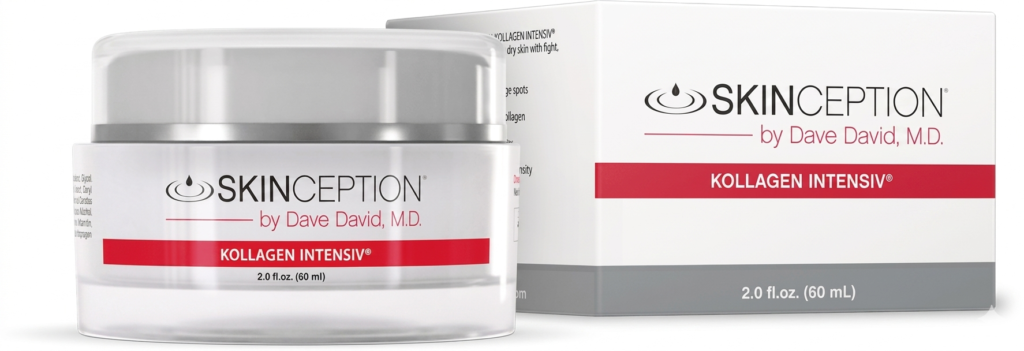
7. Consider Kollagen Intensiv as Part of Your Beauty Routine
Alongside good sleep, sun protection and consistent skincare, some people explore additional beauty products to complement their efforts to maintain healthy-looking skin.
Kollagen Intensiv is one option to consider when reviewing your overall approach to skin ageing and the appearance of fine lines.
Collagen is a structural protein that helps support the skin’s firmness and elasticity. Natural collagen production gradually declines with age, contributing to changes in skin texture and resilience.
When considering Kollagen Intensiv, review its ingredient list, directions for use and available evidence to understand what it is designed to do. Its potential benefits depend on the formulation, ingredients and how well they are supported by research.
It is also important to distinguish between improving the appearance of ageing skin generally and treating specific under-eye concerns. A beauty product should not be assumed to eliminate dark circles, remove puffiness or reverse wrinkles unless reliable evidence supports those particular claims.
For the most sensible approach, treat Kollagen Intensiv as a potential part of a broader beauty routine rather than a replacement for daily skincare, a balanced diet or sun protection.

A Fresher-Looking Eye Area Starts With Small, Consistent Habits
Tired-looking eyes can have several causes, from temporary fluid retention and dehydration to pigmentation and the natural loss of collagen that occurs with age.
The most useful strategy is to focus on what you can influence: establish a regular sleep routine, soothe morning puffiness, moisturise gently, protect your skin from the sun and support your body with balanced nutrition.
You can also explore products such as Kollagen Intensiv as part of your personal beauty routine, provided your expectations remain realistic.
Remember that healthy-looking skin does not require perfection. By understanding your skin’s needs and making a few consistent changes, you can help your eye area look more refreshed while supporting your skin’s appearance over the long term.
Want more tips for younger-looking eyes? Subscribe for simple eye-care advice
delivered to your inbox.