

Have you ever looked in the mirror and noticed that the skin around your eyes looks different than it used to? Perhaps fine lines seem more visible, dark circles make you look tired, or puffiness appears even after a reasonable night’s sleep. These small changes can be frustrating, especially when your skin care routine no longer seems to give you the fresh, rested appearance you want.
The delicate skin around your eyes is often one of the first areas to show signs of ageing. However, noticing fine lines does not mean you have to abandon your beauty routine or invest in dozens of expensive products.
The right eye care habits can help your skin look healthier, feel more comfortable, and maintain its natural appearance. From improving hydration to understanding collagen loss, here are eight practical habits worth incorporating into your daily routine.
Why Do Fine Lines Around the Eyes Become More Noticeable?
The skin around your eyes is thinner and more delicate than the skin on many other parts of your face. Because of this, it can be particularly susceptible to changes associated with ageing and everyday environmental exposure.
As we grow older, our bodies gradually produce less collagen, a structural protein that helps support the skin. Elastin, another important protein, contributes to the skin’s ability to stretch and return to its original shape.
Over time, these natural changes can affect skin firmness and elasticity. Fine lines may become more apparent, particularly when the skin is dry or when facial expressions repeatedly crease the same areas.
Other factors can contribute to a tired-looking appearance, including:
- Sun exposure and accumulated environmental damage.
- Dehydration that makes fine lines appear more pronounced.
- Poor sleep or irregular sleeping patterns.
- Allergies that contribute to under-eye puffiness.
- Genetics and naturally occurring changes in facial structure.
- Smoking and other lifestyle factors that can affect skin health.
Understanding these influences makes it easier to choose realistic habits that support the appearance of the eye area.
1. Make Hydration a Daily Priority
One of the simplest ways to care for the skin around your eyes is to maintain good hydration.
When the skin becomes dry, its surface may look less smooth, causing fine lines to stand out more clearly. A moisturiser formulated for the eye area can help soften the skin’s appearance by supporting its moisture barrier.
Look for products containing ingredients such as hyaluronic acid, glycerin or ceramides. These ingredients can help attract or retain moisture and support the skin barrier.
Apply your chosen product gently, using your ring finger to lightly tap it around the orbital bone. Avoid rubbing or pulling the delicate skin.
Remember that hydration will not permanently remove wrinkles, but it may help make dehydration-related lines less noticeable.

2. Protect Your Eyes From Everyday Sun Exposure
Sun protection is one of the most important habits for maintaining healthy-looking skin as you age.
Ultraviolet radiation contributes to the breakdown of collagen and elastin over time. Repeated exposure can contribute to wrinkles, uneven pigmentation and other visible signs of premature skin ageing.
Make broad-spectrum SPF 30 or higher sunscreen part of your daily routine, including on days that appear cloudy. Choose a formula suitable for the sensitive eye area, and follow its application instructions.
Sunglasses that provide UV protection and a wide-brimmed hat offer additional protection. They can also reduce squinting in bright sunlight, which repeatedly folds the skin around the eyes.
Consistency matters more than using an expensive product occasionally.
3. Remove Eye Makeup Without Rubbing
Removing mascara, eyeliner and concealer at the end of the day is important, but the way you do it matters too.
Aggressive rubbing can irritate the skin and place unnecessary mechanical stress on the delicate area around the eyes.
Instead, use a gentle makeup remover suitable for your skin type. Allow it to dissolve the makeup before carefully wiping it away.
Avoid pulling at the eyelids or scrubbing stubborn mascara. If your eyes are sensitive, choose fragrance-free products and stop using anything that causes persistent irritation.
A gentle evening cleansing routine helps keep your skin comfortable without adding unnecessary friction.

4. Improve Your Sleep Routine
Lack of sleep can make your eyes appear tired, puffy and less refreshed. It may also make existing dark circles more noticeable.
Aim for a consistent sleep schedule and enough rest to feel refreshed during the day. Many adults benefit from approximately seven to nine hours of sleep each night, although individual needs vary.
If you regularly wake up with puffy eyes, consider whether late nights, allergies, salty evening meals or sleeping habits might be contributing.
Keeping your head slightly elevated while sleeping may help some people reduce fluid accumulation around the eyes.
Although better sleep will not reverse established wrinkles, it can support overall skin health and help you look more rested.

5. Be Gentle With the Under-Eye Area
When fine lines become noticeable, it can be tempting to apply more products or massage the area more vigorously. However, delicate skin generally benefits from a gentle approach.
Avoid pulling the skin when applying creams, removing makeup or inserting contact lenses. Use small amounts of product and follow the manufacturer’s directions.
If you introduce ingredients such as retinol, start cautiously with a product specifically appropriate for the eye area. These ingredients may help improve the appearance of fine lines over time, but they can also cause dryness or irritation.
If irritation develops, stop using the product and seek professional advice if symptoms persist.
A simple, consistent routine is often more useful than constantly changing products.
6. Support Your Skin With a Balanced Diet
Healthy-looking skin depends on more than topical products. Your body needs adequate nutrients to maintain normal skin structure and support collagen production.
Vitamin C is particularly important because the body uses it to produce collagen. Protein also supplies amino acids that the body uses to build and maintain structural tissues.
Include a variety of foods in your meals, such as:
- Citrus fruits, berries and kiwifruit for vitamin C.
- Eggs, fish, beans and lentils for protein.
- Nuts and seeds for beneficial fats and other nutrients.
- Colourful vegetables for a range of vitamins and antioxidants.
Drinking enough water and maintaining balanced eating habits can support general wellbeing. No single food can eliminate eye wrinkles, but consistent nutrition provides a useful foundation for skin health.

7. Consider How Stress and Daily Habits Affect Your Skin
Everyday habits can influence how refreshed your face looks. Chronic stress, smoking, insufficient sleep and prolonged periods of poor self-care can all work against your broader skin care goals.
You do not need to overhaul your entire lifestyle overnight. Start with manageable changes, such as taking regular breaks, walking outdoors, establishing a relaxing evening routine or avoiding smoking.
If dark circles or puffiness persist despite adequate rest, consider other possible causes, including allergies, genetics or natural pigmentation. These concerns do not always indicate a problem with your skin care routine.
Understanding what contributes to your particular concerns can help you avoid spending money on products that are unlikely to address the underlying issue.
8. Explore Collagen-Focused Beauty Products Carefully
As collagen production naturally declines with age, it is understandable that many people become interested in beauty products designed to support smoother-looking, more hydrated skin.
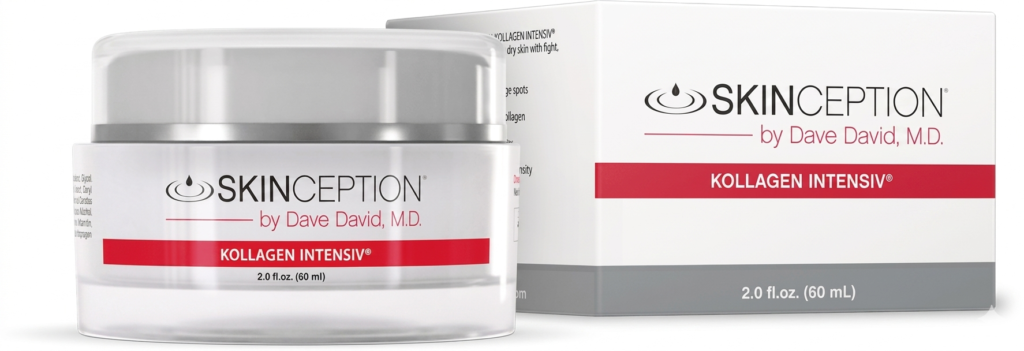
Kollagen Intensiv is one option that may appeal to people looking to incorporate a collagen-focused product into their broader beauty routine.
When considering Kollagen Intensiv, it is worth examining its ingredients, intended use and directions to determine whether it fits your individual skin care preferences. As with any beauty product, results depend on the formulation, how it is used and individual differences.
It is also important to keep expectations realistic. A topical product cannot be assumed to restore lost collagen deep within the skin or eliminate established wrinkles. The benefits of a particular product depend on its ingredients and the evidence supporting them.
For the best overall approach, consider any collagen-focused product alongside proven daily habits, including moisturising, sun protection, gentle cleansing and adequate sleep.
A thoughtful routine that addresses several aspects of skin health is generally more sensible than relying on one product to do everything.
Building an Eye Care Routine That Lasts
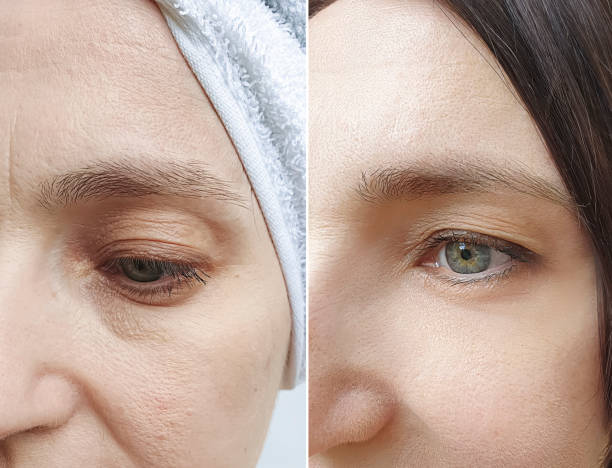
When fine lines become noticeable, the most helpful response is not necessarily to add more steps to your beauty routine. It is to understand what your skin needs and make consistent choices that support it.
Hydration can soften the appearance of dryness-related lines. Sun protection helps defend against further UV damage. Gentle makeup removal, quality sleep, balanced nutrition and suitable skin care products can all contribute to a healthier-looking appearance.
Kollagen Intensiv may be worth considering as part of a broader beauty routine, provided its formulation suits your needs and you maintain realistic expectations about what it can achieve.
Most importantly, remember that fine lines are a normal part of ageing. The goal is not to eliminate every sign of expression but to care for your skin in a way that helps you feel comfortable and confident at every stage of life.
Small, consistent habits can make your skin care routine more effective, manageable and rewarding over time.
Don’t stop here. Subscribe for more practical tips on caring for your eyes as
they age.