

Have you ever looked in the mirror and wondered why your eyes appear tired, even after a good night’s sleep? Perhaps dark circles seem more noticeable, puffiness takes longer to disappear, or fine lines around your eyes are becoming harder to ignore.
When this happens, changing your eye care routine can seem like the obvious solution. But before buying another eye cream or adding a new beauty product, it is worth asking a few important questions.
The skin around your eyes is delicate, and its appearance can be influenced by everything from hydration and collagen loss to sleep habits, genetics, and the products you already use.
Understanding what your skin needs can help you make more informed choices and build a routine that supports a fresher, healthier-looking appearance. Here are ten key questions to consider before making a change.

1. What Is Actually Causing My Tired-Looking Eyes?
Not every under-eye concern has the same cause. Dark circles, puffiness, fine lines, and dull-looking skin can develop for different reasons.
Dark circles may be influenced by genetics, pigmentation, visible blood vessels, or shadows created by the natural shape of the eye area. Puffiness can be associated with fluid retention, allergies, sleep patterns, or age-related changes.
Fine lines, meanwhile, may become more noticeable as the skin loses moisture and gradually changes in structure.
Identifying your main concern is the first step towards choosing an appropriate eye care routine rather than purchasing products based on appearance alone.
2. Has My Skin Become Drier Than It Used to Be?
Hydration plays an important role in how the skin around your eyes looks and feels.
When skin is dehydrated, fine lines can appear more pronounced, and the surface may look less smooth. This does not necessarily mean that permanent wrinkles have developed; sometimes, a lack of moisture simply makes existing lines more visible.
Consider whether your current products leave the area feeling comfortable throughout the day.
A gentle moisturiser formulated for the eye area may help maintain hydration. Ingredients such as glycerin and hyaluronic acid are commonly used to attract and retain moisture, helping skin appear plumper and smoother.

3. Could Collagen Loss Be Affecting My Skin?
Collagen is a structural protein that helps give skin its strength and firmness. As we age, the body’s natural collagen production changes, while the existing collagen structure gradually breaks down.
These changes can contribute to reduced skin elasticity, a less firm appearance, and more noticeable fine lines.
The delicate skin around the eyes may make these changes particularly apparent because it is relatively thin and moves constantly through blinking and facial expressions.
Although collagen loss is a natural part of ageing, everyday skincare habits can help support the skin’s condition. Sun protection, appropriate moisturising, and a balanced lifestyle are sensible foundations.
It is also important to recognise that no single cream or beauty product can completely reverse the natural ageing process.
4. Am I Using Too Many Eye Care Products?
Adding more products does not automatically lead to better results.
Using several active ingredients at once can increase the likelihood of irritation, particularly around the eyes. Redness, dryness, stinging, and sensitivity may occur when products are unsuitable or introduced too quickly.
Take a moment to review everything you currently apply to your face.
Ask yourself:
- Do I know the purpose of each product?
- Am I using ingredients that address my particular concerns?
- Have I introduced several new products at the same time?
- Could any product be causing irritation?
A simpler routine may make it easier to identify what works for your skin. Introduce new products gradually and follow their instructions carefully.
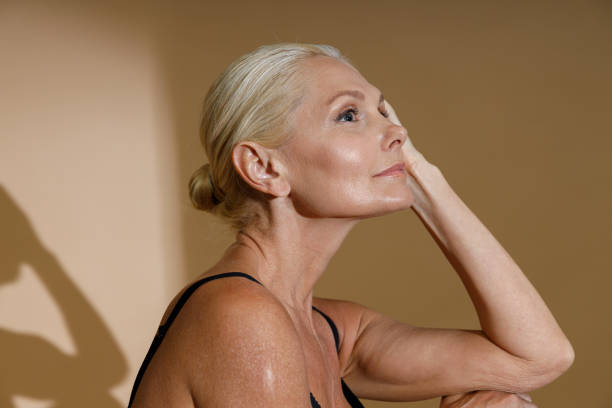
5. Is My Eye Care Routine Supporting Skin Elasticity?
Skin elasticity refers to its ability to stretch and return towards its original shape. As skin ages, changes in collagen and elastin can affect this ability.
While skincare cannot completely prevent these changes, certain habits can support the appearance and comfort of the skin.
Gentle cleansing, regular moisturising, and daily sun protection are useful starting points. Broad-spectrum sunscreen and sunglasses can also help protect the delicate eye area from ultraviolet exposure.
Avoid rubbing your eyes aggressively, as repeated friction may irritate delicate skin.
Rather than expecting one product to restore lost firmness, focus on consistent habits that support your skin over time.
6. Could My Lifestyle Be Making My Eyes Look Older?
Your daily habits can influence how refreshed your eyes appear.
Insufficient sleep may contribute to puffiness and a tired appearance. Allergies can cause irritation and swelling, while dehydration may make the skin look less supple.
High salt intake can contribute to temporary fluid retention in some people, and smoking can accelerate visible skin ageing.
Consider whether you could improve your routine by:
- Maintaining a consistent sleep schedule.
- Drinking enough water throughout the day.
- Eating a balanced diet with a variety of nutrient-rich foods.
- Managing allergies with appropriate advice.
- Avoiding smoking and protecting your skin from excessive sun exposure.
These changes will not eliminate every dark circle or wrinkle, but they can help address some factors that contribute to tired-looking eyes.

7. Does My Current Routine Address Fine Lines and Puffiness Differently?
It is tempting to look for one product that addresses every concern. However, fine lines and puffiness do not necessarily respond to the same approach.
Moisturising ingredients may temporarily soften the appearance of dehydration lines, while a cool compress may help reduce occasional morning puffiness.
Persistent dark circles may require a different approach depending on whether pigmentation, genetics, or facial anatomy is responsible.
Before changing your routine, decide which concern matters most to you. This helps you choose products based on realistic expectations instead of relying on broad promises about younger-looking skin.
If swelling is persistent, painful, sudden, or accompanied by changes in vision, seek medical advice rather than treating it as a cosmetic issue.

8. Should I Consider Kollagen Intensiv as Part of My Beauty Routine?
If your main concern is the appearance of ageing skin, you may be exploring products such as Kollagen Intensiv as part of a broader skincare routine.
Kollagen Intensiv is a beauty product marketed around skin ageing and the appearance of wrinkles. Depending on the formulation and your individual skin needs, a product of this kind may be worth considering alongside established skincare habits.
Before using it, check the current ingredient list, directions, and suitability information. Consider whether its intended purpose matches your concerns, particularly if you are focusing on fine lines, skin texture, or a less refreshed appearance.
It is important to keep expectations realistic. The benefits of a topical product depend on its ingredients and formulation, and marketing language alone cannot establish its effectiveness. A cosmetic product should not be assumed to restore lost collagen deep within the skin or eliminate dark circles and puffiness.
Kollagen Intensiv may be one option to evaluate, but it should complement rather than replace a sensible overall beauty routine.
9. How Long Should I Give a New Routine to Work?
Changing products frequently can make it difficult to understand whether your routine is helping.
Some moisturising products can improve the appearance of dry skin relatively quickly. Other visible changes may take several weeks of consistent use, depending on the ingredients, the concern being addressed, and individual skin characteristics.
Follow the product’s instructions and monitor how your skin responds.
You might keep a simple skincare journal noting dryness, sensitivity, puffiness, or the appearance of fine lines. Consistent lighting and similar viewing conditions can also help you assess changes more fairly.
Stop using a product if it causes significant irritation, and seek professional advice if symptoms persist.
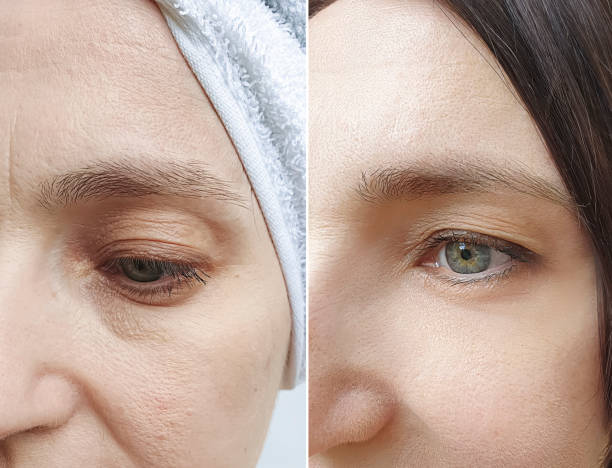
10. Am I Choosing Products Based on Evidence or Promises?
Beauty advertising often highlights dramatic improvements, but impressive claims do not always reflect what a product can realistically achieve.
Before adding anything to your routine, examine its ingredients, intended use, safety information, and available evidence.
Be cautious of claims promising to erase wrinkles completely, permanently eliminate dark circles, or produce guaranteed results within a few days.
If you have sensitive skin, an existing eye condition, or concerns about persistent changes around your eyes, a qualified healthcare professional or dermatologist can help you identify suitable options.
Making informed decisions is more useful than chasing every new product promising a younger appearance.
Build an Eye Care Routine That Works for You
A fresher-looking eye area does not necessarily require an expensive collection of beauty products. Often, the most helpful first step is understanding what contributes to your particular concerns.
Collagen loss, reduced hydration, environmental exposure, genetics, and lifestyle habits can all influence the appearance of the skin around your eyes. Addressing these factors with realistic expectations can help you make better skincare decisions.
Whether you are improving your existing routine or considering a product such as Kollagen Intensiv, focus on consistency, suitability, and evidence rather than overnight promises.
Your skin’s needs may change over time, and your routine can change with them. By asking the right questions before making adjustments, you can take a more thoughtful approach to caring for the delicate skin around your eyes and maintaining a healthy-looking complexion.
Looking for more eye-care tips? Subscribe for practical advice on keeping
your eyes looking fresh and healthy.