

Have you ever looked in the mirror after a full night’s sleep and wondered why your eyes still look tired, swollen, or older than you feel? Puffy under-eyes can appear unexpectedly, making even a fresh face look exhausted.
The surprising part? Under-eye puffiness isn’t always caused by poor sleep. Everything from hydration and collagen loss to everyday habits can influence how the delicate skin around your eyes looks.
If you’re noticing persistent puffiness, dark circles, or fine lines, understanding what’s happening beneath the surface is the first step toward creating a more effective skincare routine.
Here are ten important things to consider when your under-eyes look puffy.

1. Your Sleep Quality Matters More Than You Think
Getting enough sleep is important, but the quality of that sleep matters too.
Poor sleep can make dark circles more noticeable and contribute to a tired-looking appearance. Sleeping completely flat may also allow fluid to accumulate around your eyes overnight.
Try maintaining a consistent sleep schedule and slightly elevating your head if morning puffiness is a recurring problem.
A few small adjustments to your nighttime routine may help your eyes look more refreshed when you wake up.
2. Collagen Loss Can Change Your Under-Eye Appearance
One overlooked factor in ageing skin is the gradual decline in collagen production.
Collagen is a structural protein that helps maintain skin firmness, strength, and elasticity. As we age, collagen levels naturally decrease, and the skin beneath our eyes can become thinner and less supportive.
This can make under-eye bags, fine lines, and shadows appear more noticeable.
Although collagen loss doesn’t explain every case of puffiness, supporting your skin’s overall health becomes increasingly important as you get older.

3. Dehydration Can Make Tired Eyes Look Worse
When your skin lacks sufficient moisture, fine lines may become more visible, particularly around the delicate eye area.
Dehydrated skin can appear dull, less supple, and more tired.
Drinking adequate water supports normal body functions, while moisturising skincare products help reduce moisture loss from the skin’s surface.
For healthier-looking under-eyes, consider:
- Drinking water regularly throughout the day.
- Using a gentle moisturiser around the eyes.
- Avoiding harsh cleansers that leave skin feeling tight.
- Including hydrating ingredients such as hyaluronic acid in your skincare routine.
Hydration won’t eliminate structural under-eye bags, but it can improve the appearance of dryness-related fine lines.
4. Your Salt Intake May Be Contributing to Puffiness
Have you ever noticed swollen-looking eyes after eating a particularly salty dinner?
Sodium can encourage temporary fluid retention, which may become visible around the eyes.
Because the under-eye area has delicate tissue, even relatively small changes in fluid balance can affect its appearance.
If puffiness frequently appears in the morning, pay attention to your evening meals.
Reducing excessive sodium and maintaining balanced eating habits may help minimise temporary fluid-related swelling.

5. Dark Circles and Puffiness Aren’t the Same Problem
Although they often appear together, dark circles and under-eye puffiness have different possible causes.
Dark circles may result from pigmentation, visible blood vessels, genetics, or shadows created by the shape of the under-eye area.
Puffiness, meanwhile, may involve fluid retention, allergies, or changes in the fat pads surrounding the eyes.
This distinction matters because a product designed to improve skin hydration may soften the appearance of fine lines without necessarily correcting pigmentation or pronounced under-eye bags.
Understanding your primary concern helps you choose realistic skincare solutions.
6. Your Skin’s Elasticity Changes With Age
Youthful skin naturally has greater elasticity, allowing it to stretch and return to its original shape.
Over time, collagen and elastin changes can reduce that flexibility.
Around the eyes, reduced elasticity may contribute to looser-looking skin and make existing under-eye bags more apparent.
Daily sun protection is particularly important because ultraviolet exposure accelerates visible skin ageing.
A broad-spectrum sunscreen, gentle moisturising products, and consistent skincare habits can help protect the appearance of ageing skin.

7. A Cold Compress May Offer Temporary Relief
Sometimes the simplest solutions are worth trying first.
A cool compress can temporarily reduce the appearance of mild under-eye swelling, particularly when puffiness is related to fluid accumulation.
Try placing a clean, cool washcloth over your closed eyes for several minutes.
Avoid applying ice directly to your skin, as the delicate eye area can become irritated.
While cooling won’t reverse collagen loss or permanently remove under-eye bags, it can be a useful addition to your morning routine.

8. Your Daily Habits Influence How Your Eyes Look
Under-eye skincare involves more than choosing the right cream.
Lifestyle factors can influence your skin’s overall appearance, including its texture, hydration, and resilience.
Consider whether your routine includes:
- Regular, restorative sleep.
- A balanced diet containing adequate protein and vitamin C.
- Daily protection from ultraviolet radiation.
- Gentle makeup removal without excessive rubbing.
- Avoiding smoking and limiting excessive alcohol consumption.
These habits support general skin health and may help reduce factors that contribute to tired-looking eyes.

9. Why Kollagen Intensiv May Fit Into Your Beauty Routine
If you’re concerned about fine lines, reduced firmness, and visible signs of ageing, you may be exploring skincare products that focus on collagen-related skin changes.
Kollagen Intensiv is a cosmetic skincare option marketed toward people interested in improving the appearance of ageing skin.
Someone might consider incorporating Kollagen Intensiv into their routine as part of a broader approach focused on skin hydration, texture, and maintaining a smoother-looking complexion.
However, it’s important to distinguish cosmetic improvements from structural changes.
A topical skincare product cannot be assumed to rebuild lost collagen, eliminate hereditary under-eye bags, or correct every cause of puffiness.
Any potential benefit depends on the product’s ingredients, individual skin characteristics, and consistent, appropriate use.
Before applying any product near your eyes, check its directions and confirm that it is suitable for that delicate area.
The most sensible approach is to view Kollagen Intensiv as one possible component of an overall skincare routine rather than a complete solution.
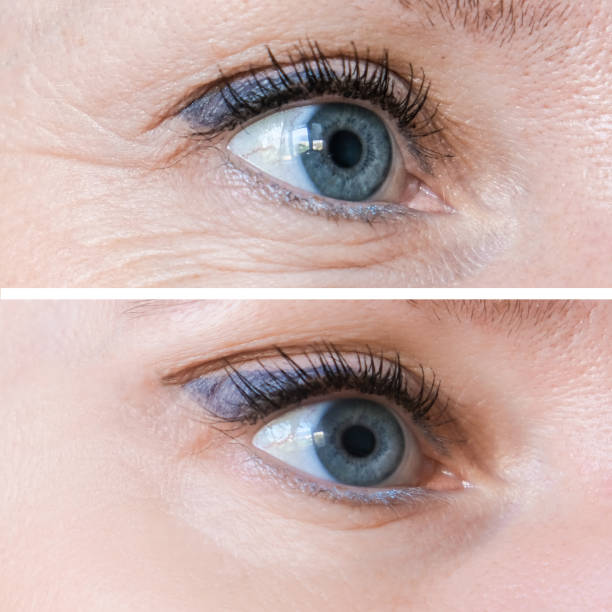
10. Persistent Puffiness May Have an Underlying Cause
Not every under-eye concern is purely cosmetic.
Seasonal allergies, sinus congestion, irritation, genetics, and age-related changes can all contribute to puffiness.
If swelling persists despite improving your sleep and skincare habits, identifying the underlying cause may be more useful than adding another cosmetic product.
Sudden, painful, red, or one-sided swelling, especially when accompanied by vision changes, deserves prompt medical assessment.
Recognising when a concern requires professional attention is an important part of caring for your eyes.
Final Thoughts: Give Your Under-Eyes the Attention They Deserve
Puffy under-eyes can be frustrating, especially when they make you look tired despite feeling perfectly rested.
Fortunately, understanding the difference between temporary swelling, dehydration, collagen loss, and natural skin ageing can help you make more informed decisions.
Small changes such as improving sleep quality, protecting your skin from sunlight, maintaining hydration, and choosing suitable skincare products can contribute to a healthier-looking eye area.
Products such as Kollagen Intensiv may have a place in an age-conscious beauty routine, but realistic expectations remain essential.
Ultimately, the goal isn’t to eliminate every natural sign of ageing. It’s to care for your skin consistently, understand what it needs, and help your eyes look as refreshed and healthy as possible.
Don’t stop here. Subscribe for more practical tips on caring for your eyes as
they age.