

Do your eyes sometimes look tired, puffy, or older than you feel, even after a good night’s sleep? The delicate skin around your eyes can reveal changes in your lifestyle, hydration, and natural ageing long before you notice them elsewhere on your face. Dark circles, fine lines, and morning puffiness are common concerns, but small, consistent habits can help your eye area look smoother, brighter, and more refreshed.
The secret is not necessarily adding more products to your beauty routine. Often, it starts with understanding what affects the skin around your eyes and making simple changes that support its natural appearance. From improving your sleep habits to protecting collagen and maintaining hydration, these eight everyday practices can make a meaningful difference to how you care for this delicate area.

1. Prioritise Consistent, Restful Sleep
When you have had several late nights, your eyes may be the first place to show it. Insufficient sleep can contribute to puffiness, a dull appearance, and more noticeable dark circles. Fluid can also accumulate around the eyes overnight, particularly when your sleep routine is irregular.
Aim for a consistent sleep schedule and give yourself enough time to rest each night. Most adults benefit from around seven to nine hours of sleep.
Try these simple adjustments:
- Go to bed and wake up at approximately the same time daily.
- Reduce screen exposure shortly before bedtime.
- Keep your bedroom comfortable, quiet, and dark.
- Consider slightly elevating your head if you frequently wake with puffy eyes.
Better sleep will not eliminate every dark circle or fine line, but it can help reduce the tired appearance that often makes them more noticeable.
2. Keep the Skin Around Your Eyes Hydrated
Hydration is essential for skin that looks supple and comfortable. The skin surrounding your eyes is relatively thin, making dryness and fine surface lines particularly noticeable.
When the skin loses moisture, it can appear less plump, and small creases may become more visible. A suitable moisturiser can help support the skin barrier and reduce moisture loss, giving the area a smoother appearance.
Look for a gentle eye cream or fragrance-free moisturiser containing ingredients such as hyaluronic acid, glycerin, or ceramides. These ingredients help attract moisture or support the skin barrier.
Apply a small amount using your ring finger, gently patting rather than rubbing. Avoid getting products too close to the eyes, where they may cause irritation.
Drinking enough water also supports normal bodily functions, although drinking extra water will not necessarily eliminate dark circles if dehydration is not the underlying cause.

3. Protect Your Collagen With Daily Sun Protection
Sun exposure is one of the major external contributors to premature skin ageing. Ultraviolet radiation can damage collagen and elastin, the structural proteins that help skin maintain its firmness and flexibility.
As collagen gradually declines with age, the skin around the eyes may become thinner and less resilient. Fine lines can become more noticeable, while changes in pigmentation may contribute to a darker-looking appearance.
Make broad-spectrum SPF 30 or higher sunscreen part of your morning routine. Choose a formula suitable for the face and eye area, and follow its application instructions carefully.
Sunglasses that provide UV protection and a wide-brimmed hat offer additional protection. They can also reduce squinting in bright sunlight, which repeatedly folds the skin around the eyes.
Daily sun protection is one of the most practical long-term habits for maintaining a healthier-looking eye area.
4. Use a Cool Compress for Morning Puffiness
Waking up with swollen-looking eyes can make your entire face appear less refreshed. Temporary puffiness may be associated with fluid retention, salty meals, allergies, hormonal changes, or sleeping position.
A cool compress can help temporarily reduce the appearance of puffiness by cooling the skin and constricting superficial blood vessels.
Soak a clean, soft cloth in cool water, wring it out, and place it gently over closed eyes for several minutes. You can also use a clean, cool eye mask according to its instructions.
Avoid applying ice directly to the skin or pressing firmly on the eye area. The goal is gentle cooling, not aggressive treatment.
If puffiness is persistent, painful, one-sided, or accompanied by redness or changes in vision, seek medical advice rather than relying on cosmetic remedies.

5. Eat a Balanced Diet That Supports Healthy Skin
Your skin depends on a range of nutrients to maintain its normal structure and repair processes. A varied diet provides the building blocks needed to support collagen production and overall skin health.
Protein supplies amino acids used to build structural proteins, while vitamin C plays an essential role in normal collagen formation. Healthy fats and other vitamins and minerals also contribute to normal skin function.
Include a variety of foods such as:
- Eggs, fish, beans, and lentils for protein.
- Citrus fruits, berries, capsicum, and broccoli for vitamin C.
- Nuts, seeds, and oily fish for beneficial fats.
- Colourful vegetables and fruit for a range of micronutrients.
No single food will erase wrinkles or remove dark circles. However, a balanced eating pattern supports your skin from within and complements a thoughtful skincare routine.

6. Be Gentle When Removing Makeup
The eye area deserves a lighter touch than many people realise. Rubbing vigorously to remove mascara, eyeliner, or concealer can irritate delicate skin and contribute to discomfort.
Repeated friction may also make the area more vulnerable to irritation, particularly if you already have sensitive skin.
Choose a gentle makeup remover suitable for the eyes. Hold a moistened cotton pad against closed eyelids briefly to loosen makeup before wiping it away without pulling or scrubbing.
Avoid harsh cleansers and strongly fragranced products if they leave your skin feeling tight or irritated. Introduce new skincare products gradually, especially those containing active ingredients.
Consistency and gentleness are more useful than an aggressive routine that leaves the skin uncomfortable.
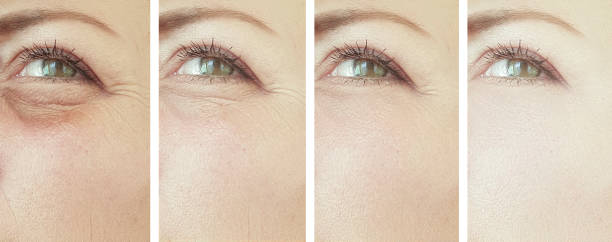
7. Build a Routine That Supports Skin Elasticity
Collagen and elastin help skin maintain its structure, but their levels and function change naturally over time. This is part of normal ageing, and it is why fine lines, reduced firmness, and changes in skin texture can gradually develop.
A simple skincare routine can help maintain the skin barrier and improve the appearance of dryness and fine lines.
In the morning, cleanse gently if needed, moisturise, and apply sunscreen. In the evening, remove makeup, cleanse, and apply a moisturiser that suits your skin.
Some people also consider ingredients such as retinol to address signs of skin ageing. These products may help improve the appearance of fine lines over time, but they can irritate the delicate eye area. Use only products specifically formulated for that area, introduce them cautiously, and seek professional advice if you are unsure whether they are suitable.
Remember that healthy-looking skin is not about preventing every sign of ageing. It is about caring for your skin consistently and supporting its natural resilience.

8. Consider Kollagen Intensiv as Part of Your Beauty Routine
Alongside sleep, hydration, sun protection, and a balanced diet, some people explore targeted beauty products to complement their skincare habits.
Kollagen Intensiv is one option people may consider when their goal is to improve the appearance of ageing skin, particularly concerns about firmness, texture, and fine lines.
The reason collagen attracts so much attention is straightforward: it is an important structural protein that helps skin maintain its strength and elasticity. As natural collagen production changes with age, people often look for ways to support a smoother, more youthful-looking complexion.
However, it is important to distinguish between supporting skin care and promising a specific result. The effects of any beauty product depend on its formulation, the evidence supporting its ingredients, individual skin characteristics, and how it is used. Benefits should not be assumed to be guaranteed, and no product can be expected to remove every dark circle, eliminate puffiness, or reverse natural ageing.
If you are considering Kollagen Intensiv, evaluate its ingredient information, intended use, and suitability for your skin. Introduce it as one part of a broader routine rather than relying on it as a replacement for sun protection, adequate sleep, or moisturising.
A sensible approach focuses on realistic expectations and habits that you can maintain over time.
Small Daily Habits Can Make Your Eyes Look More Refreshed
A tired-looking eye area does not always mean you need a more complicated beauty routine. Sleep quality, hydration, sun exposure, nutrition, and the way you treat your skin can all influence its appearance.
Start with the habits that fit most naturally into your day. Protect your skin from the sun, moisturise consistently, avoid unnecessary rubbing, and use simple techniques such as a cool compress when morning puffiness appears.
If you want to explore additional skincare options, collagen intensive may be worth considering as part of your overall beauty routine, provided your expectations remain realistic.
Most importantly, give your routine time. Healthy-looking skin is supported by small, repeatable choices rather than overnight transformations. With consistent care, you can help your eye area look more hydrated, comfortable, and refreshed while embracing the natural changes that come with age.
Keep learning. Subscribe for more simple tips to help care for your eyes as
They age.