

Your eyes can make you look tired even when you feel perfectly refreshed. Dark circles, morning puffiness, fine lines, and crepey skin around the eyes can gradually become more noticeable as you get older. What makes this frustrating is that some everyday habits, including a few that seem completely harmless, may be contributing to the problem.
The skin around your eyes is thinner and more delicate than the skin on most other parts of your face. As collagen production declines with age, skin gradually loses some of its firmness, elasticity, and ability to retain moisture. Add sun exposure, inconsistent sleep, and unsuitable skincare habits, and the eye area may begin to show signs of ageing earlier than expected.
The good news is that small changes to your daily routine can help you care for this delicate area more effectively. Here are 10 common eye care mistakes to watch for as your skin gets older, along with practical ways to support a fresher, healthier-looking appearance.
1. Rubbing Your Eyes Too Often
Rubbing your eyes might feel satisfying when they itch or feel tired, but repeated friction can irritate the delicate surrounding skin. It may also contribute to temporary redness and puffiness, particularly if you have allergies or sensitive eyes.
Over time, frequent rubbing places unnecessary mechanical stress on fragile skin. Although it is not the only factor behind wrinkles, avoiding repeated friction is a sensible preventative habit.
A better approach: Use a cool, clean compress to soothe puffy eyes. If itching is frequent, consider whether allergies, dry eyes, or irritating skincare products could be responsible.

2. Skipping Sunscreen Around the Eyes
Sun exposure is one of the most important environmental contributors to premature skin ageing. Ultraviolet radiation can damage collagen and elastin, the structural proteins that help skin remain firm and flexible.
The eye area is particularly vulnerable because the skin is thin and often receives inconsistent sun protection. Over time, unprotected exposure can contribute to fine lines, uneven pigmentation, and a less youthful appearance.
A better approach: Apply a broad-spectrum SPF 30 or higher sunscreen carefully around the orbital area, following the product instructions and avoiding direct contact with your eyes. Sunglasses that provide UV protection and a wide-brimmed hat offer additional protection.
3. Using Harsh Products on Delicate Skin
A product that works well on your cheeks may be too irritating for the skin around your eyes. Strong exfoliants, heavily fragranced creams, and improperly used active ingredients can cause dryness, redness, and flaking.
When the skin barrier becomes irritated, fine lines may also appear more noticeable because the surface looks less smooth and hydrated.
A better approach: Choose gentle, fragrance-free products formulated for the eye area. Introduce active ingredients gradually, and stop using anything that causes persistent irritation. Retinoids, in particular, require careful use around sensitive skin.
4. Forgetting to Moisturise the Eye Area
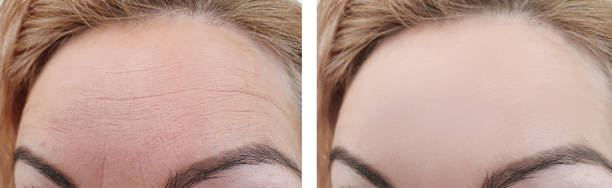
As skin ages, it may become drier and less effective at retaining moisture. Reduced natural oil production, environmental exposure, and changes in the skin barrier can all contribute to this process.
Dehydrated skin often makes fine lines appear more pronounced, especially around the outer corners of the eyes. While moisturisers cannot restore lost collagen completely, they can improve surface hydration and help skin look smoother.
A better approach: Use a gentle moisturiser that suits your skin type. Ingredients such as glycerin, hyaluronic acid, and ceramides can help attract moisture and support the skin barrier.
5. Sleeping Too Little or Inconsistently
A poor night’s sleep can leave your eyes looking noticeably different the following morning. Puffiness, dullness, and more visible dark circles may become apparent after inadequate rest.
Sleep is also important for normal skin maintenance and overall wellbeing. Although getting more sleep will not eliminate every sign of ageing, consistently poor sleep can make tired-looking eyes harder to manage.
A better approach: Aim for a regular sleep schedule and enough rest to feel refreshed. If morning puffiness is a concern, try sleeping with your head slightly elevated and notice whether this makes a difference.
6. Ignoring the Effects of Collagen Loss
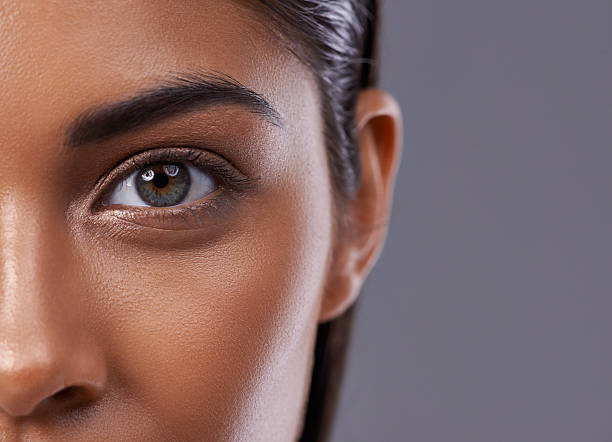
Collagen is a structural protein that helps give skin its firmness and support. As natural collagen production declines with age, the skin can gradually become thinner and less resilient.
Around the eyes, these changes may contribute to fine lines, a crepey texture, and reduced firmness. However, collagen loss is only one part of the picture. Genetics, sun exposure, facial expressions, and changes in facial fat distribution also influence how the eye area ages.
A better approach: Protect your skin from ultraviolet radiation, maintain a consistent moisturising routine, and avoid smoking. These habits support overall skin health, even though they cannot completely prevent natural ageing.
7. Removing Makeup Too Aggressively
Waterproof mascara, eyeliner, and long-wearing concealer can be difficult to remove. Scrubbing the area with a rough cloth or repeatedly pulling at the skin may cause irritation and unnecessary friction.
Leaving makeup on overnight is not ideal either, particularly if it contributes to blocked glands, irritation, or discomfort around the eyes.
A better approach: Use a gentle makeup remover suitable for the eye area. Let it dissolve the makeup before wiping softly, rather than pulling at the skin. Avoid getting cleansing products directly into your eyes.

8. Relying on Eye Cream to Fix Everything
Eye creams can be useful, but expecting one product to eliminate dark circles, puffiness, and wrinkles completely can lead to disappointment.
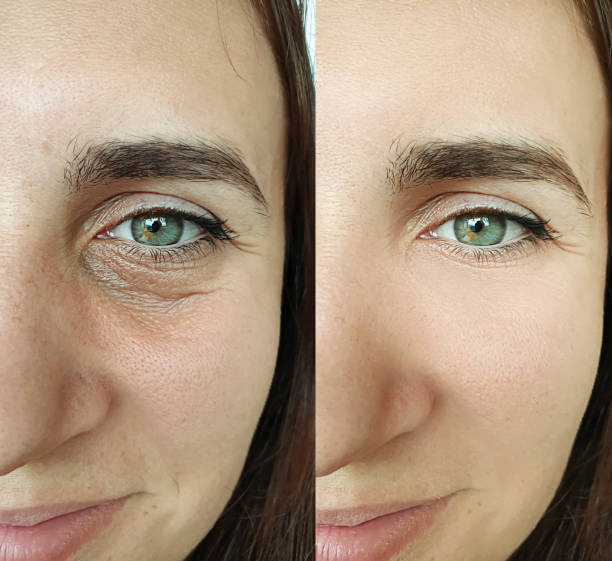
Dark circles have several possible causes, including genetics, pigmentation, visible blood vessels, and shadows created by changes in facial structure. Puffiness may be associated with fluid retention, allergies, or age-related changes beneath the eyes.
A better approach: Choose products according to your main concern. Caffeine may temporarily improve the appearance of puffiness, while moisturising ingredients can soften the look of dehydration lines. Persistent or sudden changes may need professional assessment rather than another cosmetic product.
9. Overlooking Hydration and Everyday Lifestyle Habits
Your skin reflects more than the products you apply. Dehydration, smoking, excessive alcohol consumption, and an inconsistent diet can all affect your general wellbeing and may influence how refreshed your skin appears.
Drinking more water than your body needs will not automatically erase wrinkles, but adequate fluid intake helps maintain normal bodily functions. A balanced diet also supplies nutrients involved in normal skin maintenance.
A better approach: Drink fluids regularly, eat a varied diet containing protein, fruit, vegetables, and healthy fats, and avoid smoking. These habits support your overall health while complementing your skincare routine.
10. Expecting Results Without Consistency
One of the most common eye care mistakes is changing products too frequently or expecting visible improvements after only a few days.
Skin maintenance is a long-term process. Moisturisers may improve the appearance of dryness relatively quickly, but changes in skin texture and pigmentation often take longer. Some concerns, such as genetic dark circles or pronounced under-eye hollows, may not respond significantly to topical skincare.
A better approach: Keep your routine simple and consistent. Prioritise sun protection, gentle cleansing, moisturising, and adequate sleep before adding multiple new products. Give suitable products time to work, provided they do not cause irritation.

Could Kollagen Intensiv Fit Into Your Beauty Routine?
When caring for ageing skin, it is understandable to look beyond topical creams for additional support. Kollagen Intensiv may be an option worth considering as part of a broader beauty routine, depending on its formulation and your individual skincare goals.
Collagen-focused beauty products are generally intended to complement everyday skin care rather than replace it. The potential benefits depend on the specific ingredients, formulation, and how the product is used. Without sufficient product-specific clinical evidence, it would not be appropriate to promise that Kollagen Intensiv will eliminate wrinkles, remove dark circles, or restore lost collagen around the eyes.
It is also important to distinguish between topical collagen ingredients and oral collagen supplements. Topical collagen is primarily associated with moisturising and conditioning the skin’s surface, while research into oral collagen peptides has explored possible modest improvements in skin hydration and elasticity. Results vary, and evidence remains limited by differences in study quality, formulations, and duration.
Before adding Kollagen Intensiv to your routine, check its ingredient list, directions, and suitability for your needs. If it is an oral supplement, consider potential allergies, medication interactions, and any relevant dietary restrictions. If it is a topical product, follow its application instructions and avoid direct contact with your eyes.
Most importantly, treat it as a possible complement to proven skincare habits, not a replacement for sunscreen, moisturising, good sleep, and a balanced lifestyle.
A Fresher-Looking Eye Area Starts With Better Habits
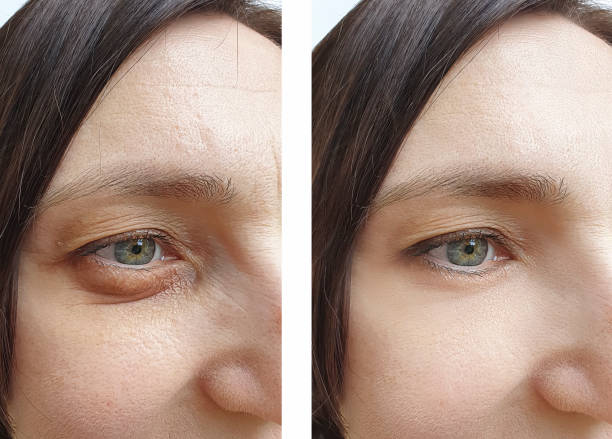
Ageing is a natural process, and nobody can completely prevent fine lines, changes in elasticity, or the gradual loss of collagen. However, the way you care for your skin can influence how comfortable, hydrated, and healthy-looking it remains.
Avoiding excessive rubbing, protecting the eye area from sunlight, removing makeup gently, and getting enough sleep are simple steps that can make your daily routine more effective.
You do not need dozens of expensive products to begin making a difference. Focus on consistent habits, choose skincare that suits your skin, and be realistic about what any individual product can achieve. With a little patience and thoughtful care, you can support a smoother, more refreshed appearance as your skin changes with age.
Get more tips like this. Subscribe for helpful ideas to support healthier,
younger-looking eyes.