

Have you ever looked in the mirror and noticed that your eyes appear more tired than you actually feel? Perhaps fine lines are becoming more visible, your under-eye area looks puffy in the morning, or dark circles make your face seem less refreshed. These changes can be frustrating, especially when your skin still looks smooth and healthy in other areas.
The skin around your eyes is naturally thinner and more delicate than much of the rest of your face. As the years pass, changes in collagen production, moisture levels, skin elasticity and everyday habits can make this area look different. The good news is that a few thoughtful adjustments to your daily routine may help your eye area look healthier, smoother and more refreshed.
If you’re beginning to notice signs of ageing around your eyes, these eight eye-care habits are worth considering.
1. Apply moisturiser to support the delicate eye area.
One of the simplest ways to care for the skin around your eyes is to keep it adequately moisturised. When skin becomes dry, fine lines can appear more noticeable because the surface looks less smooth and supple.
A gentle, fragrance-free moisturiser can help support the skin barrier and reduce moisture loss. Ingredients such as glycerin, hyaluronic acid and ceramides are commonly used to attract or retain moisture and support comfortable skin.
Apply a small amount using your ring finger, gently tapping around the orbital bone rather than pulling or rubbing the skin. If you use a dedicated eye cream, choose one suited to your skin type and avoid getting it directly into your eyes.
Hydration will not eliminate established wrinkles, but well-moisturised skin can appear temporarily plumper and smoother.

2. Make Daily Sun Protection a Priority
Sun exposure is one of the major contributors to premature skin ageing. Ultraviolet radiation can damage collagen and elastin, the structural proteins that help skin maintain its firmness and flexibility.
Over time, this damage may contribute to fine lines, uneven pigmentation and a loss of skin elasticity around the eyes.
Make broad-spectrum SPF 30 or higher sunscreen part of your morning routine, including the areas around your eyes where the product can be safely applied. Sunglasses with UV protection and a wide-brimmed hat provide additional protection.
Consistency matters more than an occasional intensive skincare treatment. Protecting your skin today can help limit further sun-related damage in the years ahead.
3. Prioritise Quality Sleep
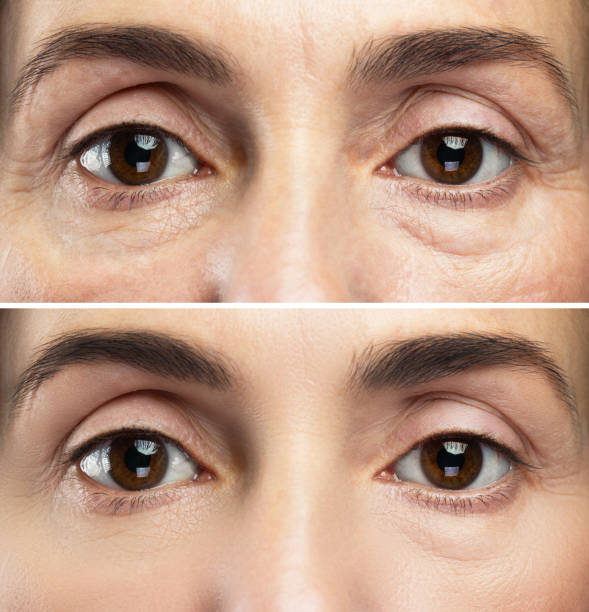
A night of poor sleep can leave your eyes looking noticeably different the following morning. Puffiness, more prominent dark circles and a tired appearance may become particularly obvious when you’re already concerned about fine lines.
Sleep deprivation can affect the appearance of your skin and may make existing under-eye shadows more noticeable. Fluid accumulation can also contribute to morning puffiness, especially after sleeping flat or consuming a particularly salty meal.
Aim for a consistent sleep schedule and enough rest to feel refreshed during the day. Many adults benefit from approximately seven to nine hours of sleep each night.
If morning puffiness is a recurring concern, gently elevating your head while sleeping may help reduce fluid accumulation for some people.
4. Be Gentle When Removing Eye Makeup
Rubbing your eyes or pulling at the skin while removing mascara and eyeliner can cause unnecessary irritation. Because the eye area is delicate, repeated friction is best avoided.
Choose a suitable makeup remover and allow it to dissolve makeup before wiping it away gently. Avoid scrubbing, tugging at the eyelids or using rough cotton pads.
It’s also worth resisting the habit of rubbing itchy or tired eyes. Allergies and irritation can encourage rubbing, potentially making redness and swelling worse.
Gentle handling will not prevent every age-related change, but it helps protect the skin from avoidable irritation and supports a more comfortable skincare routine.
5. Understand the Role of Collagen and Skin Elasticity
Collagen is an important structural protein that helps give skin its strength and firmness. Elastin contributes to its ability to stretch and return towards its original shape.
As we age, the body gradually produces less collagen, while existing collagen fibres can become damaged through sun exposure and other environmental factors. These changes can contribute to thinner-looking skin, reduced elasticity and the development of fine lines.
The eye area can be particularly noticeable because its skin is naturally thin and moves repeatedly when we blink, smile and make facial expressions.
Although no skincare routine can completely stop natural ageing, a combination of sun protection, moisturising, healthy habits and appropriate skincare ingredients can help support the appearance and condition of ageing skin.

6. Reduce Morning Puffiness With Simple Adjustments
Puffy eyes can make your face look tired, even when your skin is otherwise healthy. Temporary puffiness often relates to fluid retention, allergies, sleep patterns or lifestyle factors rather than ageing alone.
A cool compress applied gently to closed eyes for several minutes may help reduce temporary swelling. Avoid placing ice directly on the skin, as extreme cold can cause irritation.
You can also experiment with a few everyday adjustments:
- Drink water regularly throughout the day.
- Avoid excessive salt, particularly in the evening.
- Maintain a consistent sleep schedule.
- Manage known allergy triggers where possible.
Persistent or sudden swelling, especially when accompanied by pain, redness or vision changes, should be assessed by a healthcare professional rather than treated as a cosmetic concern.
7. Support Your Skin With a Balanced Diet
Healthy-looking skin benefits from a varied diet that supplies the nutrients needed for normal skin maintenance and collagen production.
Protein provides amino acids used to build and maintain body tissues. Vitamin C contributes to normal collagen formation, while a range of other vitamins, minerals and healthy fats support overall health.
Consider including foods such as eggs, fish, legumes, nuts, seeds, colourful vegetables and fresh fruit in your regular meals.
Adequate hydration is important too, although drinking excessive amounts of water will not directly erase wrinkles or eliminate dark circles.
A balanced diet is not a quick fix for under-eye concerns. However, consistently meeting your nutritional needs can support general wellbeing and complement a thoughtful beauty routine.
8. Consider Whether Kollagen Intensiv Fits Your Beauty Routine
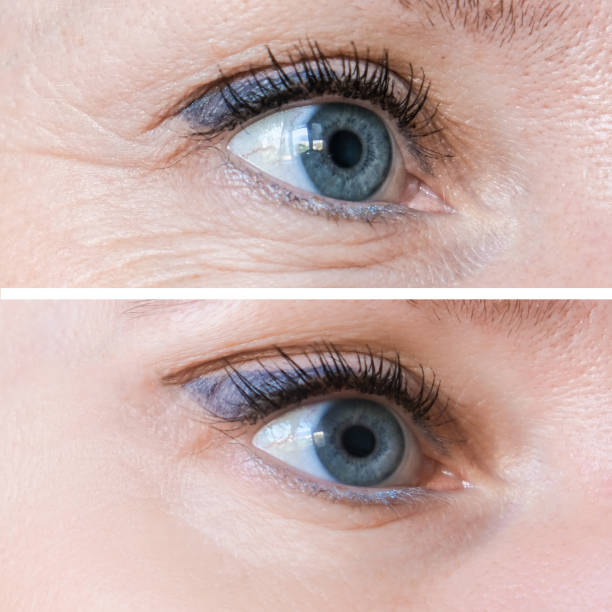
When fine lines become more noticeable, it’s natural to look for additional ways to support your skin beyond topical skincare. This is where products such as Kollagen Intensiv may enter the conversation.
Kollagen Intensiv is a beauty-focused product positioned around skin ageing and the appearance of wrinkles. Someone considering it may be interested in supporting a broader approach to skin care that includes hydration, sun protection, balanced nutrition and consistent daily habits.
However, it’s important to maintain realistic expectations. The benefits of any collagen-focused product depend on its specific ingredients, formulation, dosage and available evidence. Results cannot be guaranteed, and a product marketed for wrinkles should not be assumed to reverse collagen loss or specifically eliminate dark circles and puffiness.
Before adding Kollagen Intensiv to your routine, review its ingredient list, directions and relevant safety information. Check whether it suits your individual circumstances, particularly if you have allergies, take medication or are pregnant or breastfeeding.
Think of it as a potential addition to an established beauty routine rather than a replacement for proven skincare practices. Consistency with the basics remains essential, regardless of which additional products you choose.
Build an Eye Care Routine That Works for You
Fine lines, dark circles and puffiness can develop for several reasons, including natural ageing, sun exposure, sleep quality, genetics and everyday lifestyle habits. Understanding these influences makes it easier to choose practical steps that suit your needs.
Start with the fundamentals: moisturise gently, protect your skin from the sun, get sufficient sleep, eat a balanced diet and avoid unnecessary rubbing around your eyes. If you’re interested in Kollagen Intensiv, evaluate it carefully as one possible component of your overall beauty routine.
You don’t need to change everything overnight. Small, consistent habits can help your skin look cared for and feel more comfortable, while realistic expectations allow you to focus on maintaining healthy-looking skin rather than chasing perfection.
Don’t miss out on future eye-care tips. Subscribe for practical advice on
caring for your eyes through the years.