

Have you ever looked in the mirror after a full night’s sleep and wondered why your face still looks tired? Dark circles, puffy eyelids, fine lines, and dull-looking skin around the eyes can make you appear exhausted, even when you feel perfectly fine. The good news is that a few simple changes to your daily eye care routine may help your face look fresher, smoother, and more refreshed.
The skin around your eyes is thinner and more delicate than the skin on most other parts of your face. It is also affected by sleep quality, hydration, sun exposure, stress, and the natural ageing process. As collagen production gradually declines with age, the skin can lose some of its firmness and elasticity, making fine lines and under-eye shadows more noticeable.
Fortunately, you do not need an elaborate beauty routine to care for this delicate area. These eight daily eye care tips can help you support healthier-looking skin and achieve a more rested appearance over time.
1. Start Your Morning with a Cool Compress
Puffy eyes are one of the most common reasons a face looks tired. Fluid can accumulate around the eyes overnight, particularly after eating salty foods, sleeping flat, or experiencing seasonal allergies.
A cool compress can temporarily help reduce the appearance of puffiness by constricting blood vessels and soothing the surrounding skin.
In the morning, place a clean, cool washcloth over your closed eyes for five to ten minutes. Avoid applying ice directly to the skin, as extreme cold can cause irritation.
For an extra refreshing feeling, keep your compress comfortably cool rather than freezing. This simple habit can help your eyes look less swollen and more awake before you begin your day.

2. Keep the Delicate Eye Area Hydrated
Dehydrated skin can appear dull, tight, and more lined than usual. Because the skin around the eyes is naturally thin, a lack of moisture may make fine lines particularly noticeable.
Using a gentle, fragrance-free moisturiser formulated for the face or eye area can help support the skin barrier and reduce moisture loss.
Look for ingredients such as:
- Hyaluronic acid: Helps attract and retain water in the skin.
- Glycerin: Supports hydration by drawing moisture into the outer skin layers.
- Ceramides: Help maintain the skin’s protective barrier.
Apply a small amount with your ring finger, gently tapping rather than rubbing. Well-hydrated skin often looks smoother and more supple, although moisturisers cannot permanently eliminate wrinkles or change the underlying structure of the skin.
3. Protect Your Eyes from Daily Sun Exposure
Sun exposure is an important contributor to premature skin ageing. Ultraviolet radiation can damage collagen and elastin, the proteins that help skin maintain its structure, firmness, and flexibility.
Over time, this damage may contribute to fine lines, uneven pigmentation, and a less youthful appearance around the eyes.
Make broad-spectrum SPF 30 or higher sunscreen part of your morning skincare routine. Choose a formula suitable for the eye area and avoid getting it directly into your eyes. Sunglasses that provide UVA and UVB protection can offer additional protection, while a hat can provide extra shade.
Daily sun protection is one of the most useful long-term habits for maintaining smoother-looking skin and helping prevent premature ageing.
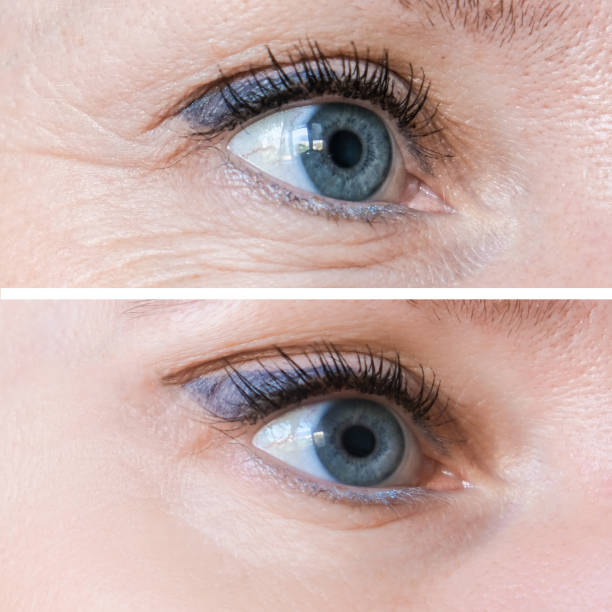
4. Prioritise Consistent, Quality Sleep
Even the best eye cream cannot fully compensate for consistently poor sleep. Inadequate rest can contribute to a dull complexion, more noticeable under-eye shadows, and temporary puffiness.
Most adults need around seven to nine hours of sleep each night, although individual requirements vary.
To support better sleep, try maintaining a consistent bedtime, reducing screen exposure before bed, and keeping your bedroom cool and comfortable.
If you regularly wake up with puffy eyes, slightly elevating your head while sleeping may help limit overnight fluid accumulation.
Remember that dark circles are not always caused by tiredness. Genetics, pigmentation, allergies, and the natural contours of your face can also contribute, so getting more sleep may improve some concerns without eliminating them entirely.
5. Eat Foods That Support Collagen and Skin Health
Healthy-looking skin depends on more than the products you apply. Your diet supplies the nutrients your body uses to maintain normal skin structure, repair tissues, and produce collagen.
Collagen is a structural protein that helps give skin its strength and firmness. Natural collagen production declines with age, and existing collagen can also be affected by ultraviolet radiation, smoking, and other lifestyle factors.
Include a variety of nutrient-rich foods in your everyday meals, such as:
- Eggs, fish, lean meats, beans, and lentils for protein.
- Citrus fruits, berries, capsicum, and broccoli for vitamin C.
- Nuts, seeds, and leafy greens for a range of vitamins and minerals.
Vitamin C is particularly important because the body needs it to produce collagen. A balanced diet cannot stop natural ageing, but it can provide essential nutrients that support normal skin function.

6. Be Gentle When Removing Eye Makeup
Rubbing your eyes or pulling at the skin when removing mascara and eyeliner can cause unnecessary irritation. The delicate eye area benefits from gentle handling, especially if you are concerned about fine lines or sensitivity.
Use a suitable makeup remover or gentle cleanser to dissolve makeup before wiping it away. Hold a damp cotton pad against the closed eyelid briefly, then wipe softly without tugging.
Avoid harsh scrubs and strong active ingredients that are not intended for the eye area. If you use retinol or other anti-ageing skincare ingredients, introduce them carefully and follow the product instructions.
A consistent, gentle cleansing routine helps protect the skin barrier and keeps the eye area comfortable.

7. Support Your Beauty Routine with Kollagen Intensiv
Topical skincare can help hydrate the skin and protect its surface, but some people also explore collagen-focused beauty products as part of a broader approach to skin care.
Kollagen Intensiv may be an option for those interested in supporting the appearance of mature skin and addressing concerns such as reduced firmness, fine lines, and changes in skin texture.
When considering any collagen-focused product, it is important to understand exactly what it contains, how it is intended to be used, and what evidence supports its claims. Results can vary depending on the formulation, individual skin characteristics, and the rest of your skincare routine.
Collagen-related ingredients should not be viewed as an overnight solution for dark circles or puffy eyes. These concerns have several possible causes, and a beauty product cannot necessarily address all of them.
Instead, think of Kollagen Intensiv as a potential addition to a well-rounded beauty routine that already includes moisturising, sun protection, a balanced diet, and adequate sleep. This realistic approach helps keep your expectations grounded while allowing you to focus on consistent skin care.

8. Drink Enough Water and Manage Everyday Stress
Hydration and stress management are often overlooked when people focus on improving the appearance of tired eyes.
When you are dehydrated, your skin may look less plump, making existing lines more noticeable. Drinking water regularly throughout the day supports normal body function, while using a moisturiser helps reduce water loss from the skin itself.
Stress can also affect sleep quality and encourage habits that may undermine your skincare efforts. Taking short breaks, walking outdoors, practising relaxation techniques, and maintaining a regular sleep schedule can help support your overall well-being.
Reducing excessive salt intake may also help some people who experience temporary fluid-related puffiness.
These habits will not remove genetically determined dark circles or reverse all signs of ageing, but they can contribute to a healthier-looking complexion over time.
Build a Daily Routine for Fresher-Looking Eyes
A more rested-looking face rarely comes from one miracle product. It is usually the result of several small habits working together, from protecting your skin against the sun to getting enough sleep and maintaining good hydration.
Start with the basics: use a cool compress when your eyes look puffy, moisturise the delicate eye area, remove makeup gently, and choose nourishing foods that support normal collagen production. If you are interested in collagen-focused skincare, Kollagen Intensiv may also be worth considering as part of your overall beauty routine.
Most importantly, give your routine time and pay attention to what works for your skin. Consistent care, realistic expectations, and healthy daily habits can help your face look fresher and more vibrant without making your beauty routine complicated.
Keep your eyes looking their best. Subscribe for more practical tips on eye
care and aging.