

Do your eyes look tired even when you have had a decent night’s sleep? If you spend hours looking at a computer, scrolling on your phone, or watching television, you may notice that your eyes appear puffier, darker, or older than you would like. Fine lines around the eyes can also become more noticeable over time, leaving you wondering why your usual skincare routine no longer seems enough.
The good news is that small, consistent changes can help you care for the delicate skin around your eyes while making screen time more comfortable. From improving your daily habits to supporting skin hydration and elasticity, these ten practical eye care tips can help you work towards a fresher, more rested appearance.
Why Screen Time Can Affect the Appearance of Your Eyes
Spending long periods looking at screens can contribute to digital eye strain, dry eyes, headaches, and temporary blurred vision. One reason is that people tend to blink less frequently when concentrating on digital devices, which can allow tears to evaporate more quickly.
However, tired-looking eyes are not caused by screen time alone. Dark circles, puffiness, and fine lines can also be influenced by genetics, allergies, sleep quality, dehydration, sun exposure, and the natural ageing process.
As we age, collagen production gradually declines. Collagen helps provide the skin with structure and firmness, while changes in elastin, moisture levels, and the skin’s natural barrier can affect how smooth and supple the skin looks.
The delicate under-eye area is particularly susceptible to these changes. A thoughtful routine can help address some contributing factors without expecting any single product or habit to eliminate every sign of ageing.

1. Follow the 20-20-20 rule.
One of the simplest habits for anyone who spends hours on screens is the 20-20-20 rule.
Every 20 minutes, look at something approximately 20 feet away for at least 20 seconds. This gives your eyes a regular break from focusing at close range.
Try setting a gentle reminder if you frequently lose track of time while working or scrolling. These short pauses can help reduce digital eye strain and make long periods of screen use more comfortable.
2. Remember to Blink More Often
Concentrating on a screen can make you blink less, contributing to dryness, irritation, and a gritty sensation.
Make a conscious effort to blink fully and regularly throughout the day. If your eyes feel dry, briefly close them and allow yourself a moment away from the screen.
Persistent dryness may require additional care, such as lubricating eye drops recommended by a pharmacist or eye care professional. If symptoms continue, arrange an eye examination rather than assuming screen time is the only cause.

3. Keep Your Under-Eye Skin Hydrated
Hydration plays an important role in the appearance of fine lines. When the skin is dry, small lines can become more noticeable because the surface looks less smooth and supple.
Use a gentle moisturiser suitable for the delicate eye area. Ingredients such as hyaluronic acid and glycerin can help attract and retain moisture, temporarily making the skin appear plumper.
Apply products carefully without rubbing or pulling at the skin. Consistent moisturising can improve comfort and appearance, although it cannot completely reverse deeper wrinkles or replace lost collagen.
4. Adjust Your Screen and Lighting
Poor screen positioning and harsh lighting can encourage squinting, which may contribute to discomfort and repeated facial movements.
Position your monitor roughly an arm’s length away, with the top of the screen at or slightly below eye level. Adjust the brightness to suit the room and increase text size when necessary.
Avoid using a bright screen in an otherwise dark room for extended periods. Better lighting and comfortable viewing distances can make screen use easier on your eyes, especially during long working days.

5. Prioritise Quality Sleep
A late-night scrolling habit can affect sleep duration and quality, potentially making dark circles and puffiness more noticeable the following morning.
Most adults benefit from around seven to nine hours of sleep each night. Establishing a consistent bedtime and putting devices aside before sleep can make it easier to maintain a healthy routine.
Sleep will not remove genetic dark circles or permanently erase fine lines, but adequate rest can help reduce the tired appearance associated with fatigue.
6. Use Sun Protection Every Day
Sun exposure is an important contributor to premature skin ageing. Ultraviolet radiation can damage collagen and elastin, gradually contributing to fine lines, uneven pigmentation, and reduced skin firmness.
Apply broad-spectrum SPF 30 or higher sunscreen daily, following the product’s directions. Use a formula suitable for the face and eye area, and wear sunglasses that provide adequate UV protection.
Sunglasses also help reduce squinting in bright conditions. Together, these habits support the long-term appearance of the skin around your eyes.
7. Support Your Skin With a Balanced Diet
Your skin relies on a variety of nutrients to maintain its normal structure and function. A balanced diet provides the building blocks needed for healthy skin, including protein, vitamins, minerals, and essential fats.
Include foods such as eggs, fish, beans, yoghurt, nuts, colourful vegetables, and fruit. Vitamin C-rich foods, including berries, citrus fruits, and capsicum, help support normal collagen formation.
No individual food can prevent ageing, but a varied diet is a practical way to support your overall health and skin care routine.
8. Manage Puffiness With Gentle Cooling
Puffy eyes can be particularly noticeable after a poor night’s sleep, a salty meal, or seasonal allergies.
A clean, cool compress placed gently over closed eyes for several minutes may help temporarily reduce the appearance of puffiness. Avoid applying ice directly to the skin or pressing firmly around the eyes.
If puffiness occurs frequently, consider possible triggers such as allergies, sleep habits, or irritation from skincare products. Sudden swelling, pain, vision changes, or persistent one-sided swelling should be assessed by a healthcare professional.

9. Be Gentle With the Delicate Eye Area
The skin around your eyes is thin and can be easily irritated by excessive rubbing, harsh exfoliation, or unsuitable skincare products.
Remove makeup gently and avoid pulling at the skin when cleansing. Introduce active ingredients gradually, particularly retinoids or exfoliating products, which may cause irritation if used too frequently.
A simple routine that you can maintain consistently is often more useful than layering numerous products. If a product causes burning, redness, or persistent discomfort, stop using it and seek professional advice if symptoms do not settle.
10. Consider Collagen Support as Part of Your Beauty Routine
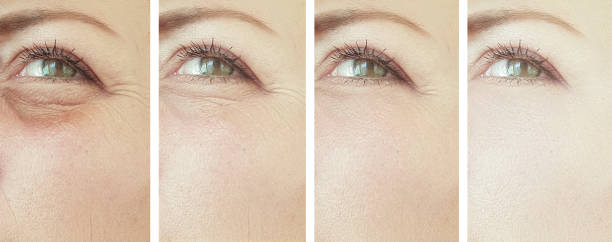
Even with excellent eye care habits, the natural ageing process continues. Collagen levels gradually decline, and the skin may lose some of its firmness, elasticity, and ability to retain moisture.
This is one reason some women explore collagen-focused beauty products alongside moisturisers, sun protection, healthy eating, and adequate sleep.
Kollagen Intensiv is a beauty product that may appeal to women looking to complement their existing skincare routine with a collagen-focused approach. It can be considered as one part of a broader effort to care for the appearance of ageing skin.
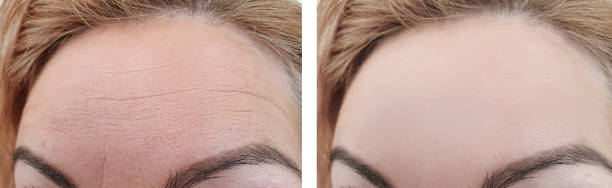
It is important, however, to keep expectations realistic. Results depend on the individual and the product’s formulation, and claims about benefits should be assessed against reliable evidence. A collagen-focused product should not be assumed to eliminate dark circles, remove under-eye wrinkles, or reverse skin ageing.
Before choosing any beauty supplement or topical product, review its ingredients, directions, and safety information. Consider your individual needs and consult a qualified healthcare professional if you have allergies, take medication, or have concerns about whether a product is suitable for you.
Build a Daily Routine for Fresher-Looking Eyes
Caring for your eyes when you spend hours on screens does not require an expensive collection of skincare products. Regular screen breaks, frequent blinking, good sleep, daily sun protection, gentle cleansing, and consistent moisturising provide a practical foundation.
Remember that dark circles, puffiness, and fine lines can have several causes, so the most effective approach is to look at your overall habits rather than relying on a single solution.
By making these ten eye-care habits part of your everyday routine, you can help reduce screen-related discomfort, support healthier-looking skin, and give the delicate area around your eyes the attention it deserves. Small changes, repeated consistently, can make caring for your eyes feel much more manageable over time.
Don’t stop here. Subscribe for more practical tips on caring for your eyes as
They age.