

Do your eyes sometimes look tired, puffy, or older than you feel, even after a reasonable night’s sleep? The delicate skin around your eyes can reveal signs of stress, dehydration, and ageing long before the rest of your face does. The good news is that creating a fresher-looking eye area doesn’t have to involve expensive creams, complicated skincare routines, or costly beauty treatments.
With a few affordable daily habits, you can support the appearance of the skin around your eyes and help it look smoother, brighter, and more refreshed. From simple cooling techniques to better hydration and consistent sun protection, these eight budget-friendly beauty tips are practical ways to care for this delicate area.
1. Start Your Morning with a Cool Compress
Puffy eyes can make your entire face appear tired, even when you feel perfectly fine. Fluid can collect around the eyes overnight, particularly if you sleep flat, consume a salty evening meal, or experience seasonal allergies.
One inexpensive way to reduce the appearance of morning puffiness is to apply a clean, cool washcloth to your closed eyes for several minutes.
The gentle cooling effect may temporarily help reduce swelling and make the eye area look more awake. Avoid placing ice directly on your skin, as extreme cold can irritate this sensitive area.
For an even simpler routine, keep a clean washcloth ready in the bathroom so you can make this refreshing step part of your morning.

2. Make Hydration Part of Your Beauty Routine
Dehydrated skin can appear less plump, making fine lines more noticeable. The skin around your eyes is particularly delicate, so even small changes in its moisture levels can affect how smooth and comfortable it looks.
Drinking enough water throughout the day supports normal bodily functions and helps maintain hydration. However, drinking extra water won’t necessarily eliminate dark circles or reverse wrinkles if dehydration isn’t the underlying cause.
You can also support the skin’s moisture barrier with an affordable, fragrance-free moisturiser that is suitable for the eye area.
Look for ingredients such as glycerine or hyaluronic acid, which help attract and retain moisture. Apply gently without rubbing or pulling the skin.
Consistency matters more than buying several expensive products.
3. Protect the Skin Around Your Eyes from the Sun
Sun exposure is an important contributor to premature skin ageing. Over time, ultraviolet radiation can damage collagen and elastin, the structural proteins that help skin maintain its firmness and flexibility.
As these structures change with age and sun exposure, fine lines, wrinkles, and uneven pigmentation may become more noticeable.
Daily sun protection is therefore one of the most useful long-term investments in your skin’s appearance.
Choose a broad-spectrum SPF 30 or higher sunscreen and apply it carefully around the orbital area, following the product’s instructions and avoiding direct contact with your eyes. Sunglasses and a wide-brimmed hat provide additional protection.
Unlike many beauty products, sunscreen helps address an environmental factor that contributes to visible skin ageing.

4. Get More Consistent, Restful Sleep
A late night can leave your eyes looking swollen, shadowed, and tired the following morning. Insufficient sleep may make existing dark circles more noticeable, although it isn’t the only cause.
Genetics, pigmentation, allergies, and the natural thinning of skin can all influence the appearance of the under-eye area.
Most adults need around seven to nine hours of sleep each night. Establishing a regular bedtime, reducing bright screen exposure before bed, and keeping your bedroom comfortable may help you develop a more consistent sleep routine.
If morning puffiness is a recurring concern, you could also try slightly elevating your head while sleeping.
These changes cost little or nothing, yet they can support your overall wellbeing as well as a more rested appearance.
5. Be Gentle When Removing Makeup
Rubbing your eyes to remove mascara, eyeliner, or concealer can place unnecessary stress on delicate skin. Repeated friction may contribute to irritation and can make the area feel uncomfortable.
Instead, use a gentle makeup remover designed for the eye area. Hold a damp cotton pad against closed eyelids briefly to help loosen makeup before wiping it away without harsh scrubbing.
Avoid tugging at the skin or pulling at the outer corners of your eyes.
If a product causes stinging, redness, or persistent irritation, discontinue its use and consider a gentler alternative.
A careful cleansing routine helps protect the skin barrier, allowing the area to remain comfortable and making the most of the skincare products you already own.

6. Choose Affordable Skincare That Supports Skin Elasticity
As we age, the skin gradually produces less collagen. Collagen provides structural support, while elastin contributes to the skin’s ability to stretch and return to its original shape.
These natural changes, combined with sun exposure and other lifestyle factors, can contribute to fine lines, reduced firmness, and changes in skin texture.
You don’t need an elaborate skincare collection to care for ageing skin. A simple routine built around gentle cleansing, moisturising, and sun protection is a sensible starting point.
Ingredients such as glycerin help maintain moisture, while a well-formulated moisturiser supports the skin barrier. Some people may also benefit from carefully introduced retinoid products, although these can irritate sensitive skin and require appropriate precautions.
Remember that moisturised skin may look temporarily smoother, but no cream can completely stop the natural ageing process.
7. Support Your Skin with Everyday Nutrition
Your skin depends on a range of nutrients to maintain its normal structure and function. A balanced diet is a practical way to support your skin without relying entirely on expensive beauty products.
Include a variety of foods such as:
- Eggs, fish, beans, and other protein sources.
- Citrus fruits, berries, capsicum, and other vitamin C-rich foods.
- Nuts, seeds, vegetables, and whole grains.
- Healthy fats from foods such as olive oil, avocado, and oily fish.
Vitamin C is particularly relevant because the body needs it to produce collagen. Adequate protein also supplies amino acids used in the formation and maintenance of body tissues.
No single food will erase dark circles or eliminate wrinkles. However, a varied diet provides nutrients that support normal skin function as part of a broader approach to looking after yourself.
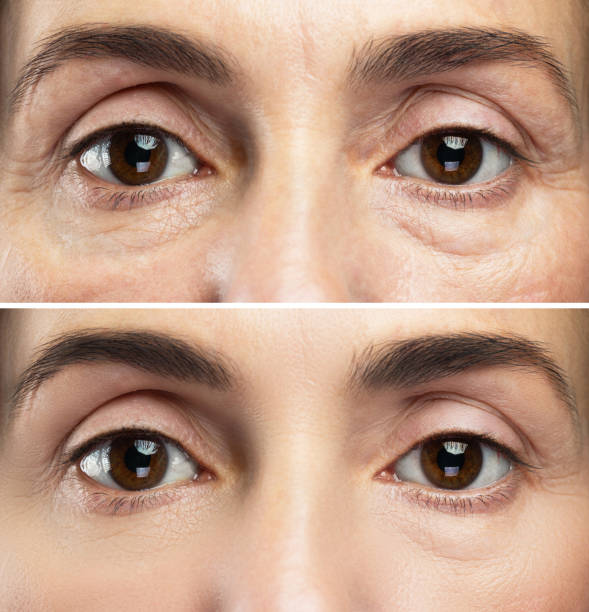
8. Consider Kollagen Intensiv as Part of Your Overall Beauty Routine
Alongside skincare, nutrition, sleep, and sun protection, some people explore beauty supplements as another part of their routine.
Kollagen Intensiv is a collagen-focused beauty product that may appeal to people interested in supporting their skin’s appearance as they get older. Collagen is an important structural protein, and interest in collagen supplementation has grown among people looking to maintain skin hydration and elasticity.
Research on oral collagen peptides suggests that some formulations may offer modest improvements in skin hydration or elasticity for certain people. However, findings vary between studies, and results depend on factors such as the formulation, dosage, study design, and duration of use.
It is important not to assume that every collagen product produces the same effects. Evidence relating to collagen supplements generally does not automatically establish the effectiveness of a specific branded product.
If you’re considering Kollagen Intensiv, review its current ingredient list, directions, and relevant product information before deciding whether it suits your needs. Consider any allergies, dietary restrictions, medications, or other circumstances that may affect your choice.
Collagen supplementation should be viewed as an optional addition rather than a replacement for a balanced diet, good skincare, and daily sun protection.
It is also worth keeping expectations realistic. A supplement cannot guarantee the disappearance of under-eye wrinkles, dark circles, or puffiness, particularly when these concerns are influenced by genetics, pigmentation, allergies, or facial structure.
A Fresher-Looking Eye Area Starts with Small, Consistent Habits
Looking after the delicate skin around your eyes doesn’t need to be expensive or complicated. Simple changes such as using a cool compress, staying hydrated, protecting your skin from the sun, sleeping consistently, and removing makeup gently can all contribute to a more considered beauty routine.
Affordable moisturisers, balanced nutrition, and carefully chosen skincare products can provide additional support. For those interested in collagen-focused products, Kollagen Intensiv is one option to investigate alongside these everyday habits.
The key is to understand what your skin needs, choose practical steps you can maintain, and give your routine time to work. While no approach can guarantee a completely wrinkle-free or permanently brighter eye area, consistent care can help you support healthier-looking skin and feel more confident about how you look.
Looking for more eye-care tips? Subscribe for practical advice on keeping
your eyes looking fresh and healthy.