

Do your eyes sometimes look tired, even after a full night’s sleep? Dark circles, puffy under-eyes, fine lines, and a dull appearance can make your face look less refreshed than you feel. The frustrating part is that these changes do not always disappear with a little extra rest.
The delicate skin around your eyes needs special attention. It is thinner than much of the skin on your face, making changes in hydration, elasticity, and skin texture more noticeable over time. Everyday habits, environmental exposure, and the natural ageing process can all contribute to a tired-looking appearance.
The good news is that a few consistent eye care habits can help your skin look healthier and more refreshed. Here are eight practical tips to consider, along with how collagen and a thoughtful beauty routine may fit into the picture.
1. Make Quality Sleep a Priority
One of the simplest ways to support a refreshed appearance is to establish a consistent sleep routine. Too little sleep can make dark circles more noticeable and contribute to puffiness around the eyes.
Adults generally need seven to nine hours of sleep each night. Going to bed and waking up at similar times can help support a regular sleep pattern.
Try these simple habits:
- Keep your bedroom cool, quiet, and comfortable.
- Reduce screen time before bed.
- Avoid consuming caffeine late in the day.
- Allow yourself enough time to wind down before sleeping.
Sleep will not eliminate every dark circle or fine line, particularly when genetics or natural ageing plays a role. However, better rest may help reduce the appearance of fatigue and support your overall well-being.

2. Keep the Skin Around Your Eyes Hydrated
Dryness can make fine lines appear more prominent. Because the skin around the eyes is delicate, maintaining adequate moisture is an important part of everyday eye care.
Choose a gentle moisturiser formulated for the eye area. Ingredients such as hyaluronic acid and glycerin can help attract and retain moisture, leaving the skin looking smoother and more supple.
Apply a small amount using your ring finger, gently tapping rather than rubbing the product into your skin. Avoid getting skincare products directly into your eyes.
Remember that moisturising does not permanently remove wrinkles. Its main benefit is improving hydration, which can temporarily soften the appearance of fine lines and give the skin a healthier-looking finish.
3. Use a Cool Compress to Reduce Puffiness
Puffy eyes can appear after a restless night, a salty meal, seasonal allergies, or fluid accumulation around the eyes.
A cool compress is a simple way to help temporarily reduce this swelling. Place a clean, cool washcloth over your closed eyes for several minutes while sitting comfortably.
You can also keep a clean eye mask in the refrigerator for a refreshing morning routine. Avoid applying ice directly to your skin, as extreme cold can cause irritation or injury.
If puffiness is a regular concern, consider whether allergies, sleep habits, or dietary patterns might be contributing. Persistent swelling, especially when it affects only one eye or occurs with pain or vision changes, should be assessed by a healthcare professional.

4. Protect Your Eye Area From Sun Damage
Sun exposure is one of the major environmental factors associated with premature skin ageing. Ultraviolet radiation can damage collagen and contribute to fine lines, uneven pigmentation, and reduced skin elasticity.
Since the skin around your eyes is particularly delicate, daily sun protection deserves a place in your routine.
Choose a broad-spectrum sunscreen with SPF 30 or higher and apply it carefully around the orbital area, following the product instructions and avoiding direct contact with your eyes. Sunglasses that provide UV protection and a wide-brimmed hat offer additional protection.
Consistent sun protection helps preserve the appearance of your skin over time. It is also one of the most practical steps you can take to help prevent premature ageing around the eyes.
5. Understand the Connection Between Collagen and Fine Lines
Collagen is a structural protein that helps give skin its firmness and support. As we age, the body’s collagen production gradually declines, while existing collagen can become damaged by factors such as UV exposure.
These changes can contribute to reduced skin elasticity and the development of fine lines and wrinkles. Because the skin around the eyes is thin, these signs may become noticeable earlier than in other areas.
Although collagen loss is a natural part of ageing, certain habits can help support healthier-looking skin. Protecting your skin from the sun, avoiding smoking, eating a balanced diet, and using suitable moisturising products all have a role to play.
It is important to remember that eye wrinkles are not caused by collagen loss alone. Facial expressions, genetics, dryness, and environmental factors also influence how the skin changes over time.

6. Support Your Skin With a Balanced Diet
Healthy-looking skin benefits from a varied diet that supplies the nutrients your body needs to maintain normal tissue function.
Protein provides amino acids used to build collagen and other important proteins. Vitamin C is essential for normal collagen production, while a variety of fruits and vegetables supplies additional vitamins, minerals, and antioxidants.
Try including foods such as:
- Eggs, fish, beans, and lentils for protein.
- Citrus fruits, berries, and capsicum for vitamin C.
- Nuts and seeds for healthy fats and other nutrients.
- Leafy greens and colourful vegetables for a variety of micronutrients.
Drinking enough water also supports normal bodily functions. However, drinking extra water will not necessarily eliminate dark circles or puffiness if these are caused by genetics, pigmentation, or other factors.
A balanced approach to nutrition is more useful than relying on a single food or ingredient to transform your appearance.
7. Consider Kollagen Intensiv as Part of Your Beauty Routine
If your main concerns are fine lines, changes in skin texture, and the appearance of ageing skin, you may be exploring beauty products designed to complement your existing skincare habits.
Kollagen Intensiv is a beauty product marketed for concerns associated with visible skin ageing. It may be an option to consider if you are looking to add a targeted product to a broader routine that includes moisturising, sun protection, healthy nutrition, and adequate sleep.
Before incorporating any anti-ageing product, review its ingredient list, directions, and suitability for your skin. Individual responses to skincare products can vary, and no single product can address every cause of tired-looking eyes.
It is also worth keeping expectations realistic. The appearance of dark circles, puffiness, and under-eye wrinkles can have different underlying causes, so a product intended for general signs of ageing may not address all of them equally.
Think of Kollagen Intensiv as one possible part of an overall beauty routine rather than a replacement for established skincare habits. Consistency and choosing products that suit your needs are more valuable than expecting overnight changes.
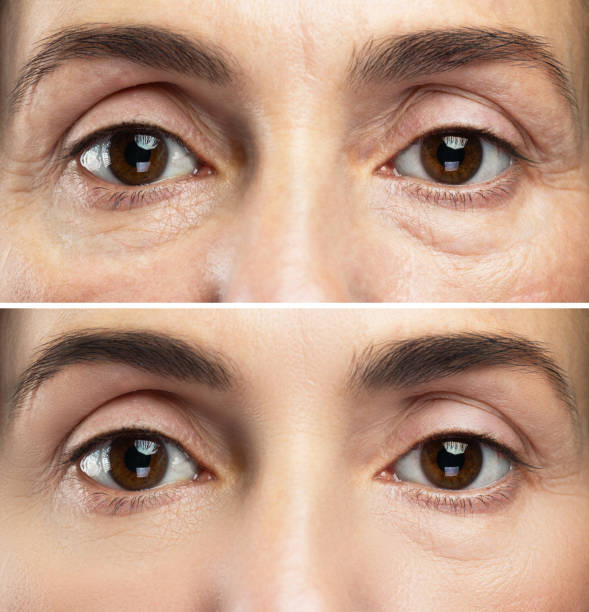
8. Be Gentle With Your Eyes and Keep Your Routine Consistent
The skin around your eyes can become irritated through repeated rubbing, harsh cleansing, or the use of unsuitable skincare products.
Remove eye makeup gently with a suitable cleanser, avoid pulling at the skin, and introduce new products gradually. If a product causes burning, redness, or persistent irritation, stop using it.
It can also help to keep your routine simple. Rather than changing several products at once, focus on a few dependable habits:
- Cleanse gently.
- Moisturise regularly.
- Apply daily sun protection.
- Prioritise sleep and balanced nutrition.
- Give suitable skincare products time to show their effects.
Remember that persistent dark circles may be related to genetics, pigmentation, allergies, or the natural contours of your face. These concerns do not necessarily indicate that your skincare routine is failing.

Conclusion: Give Tired-Looking Eyes Consistent Care
Tired-looking eyes can have several causes, from poor sleep and temporary puffiness to dehydration, sun exposure, and age-related changes in collagen and skin elasticity. Understanding what may be contributing to your concerns makes it easier to choose the right approach.
Start with the basics: get sufficient sleep, moisturise the delicate eye area, protect your skin from UV radiation, eat a balanced diet, and avoid unnecessary irritation. If you want to explore additional beauty products, consider options such as Kollagen Intensiv as part of a realistic, well-rounded routine.
Healthy-looking skin rarely comes from one quick fix. Small, consistent habits can help you care for the skin around your eyes and maintain a fresher, more comfortable appearance over time.
Don’t stop here. Subscribe for more practical tips on caring for your eyes as
they age.